

Operation Process and Working Principle of Sugar Material Pneumatic Conveying System
Understanding the operation process and working principle of sugar material pneumatic conveying systems is crucial for optimizing material handling in sugar processing facilities. These systems are designed to efficiently transport granular or powdered sugar from one location to another, ensuring minimal loss, contamination, and energy consumption. The following sections will delve into the key components, operational steps, and underlying principles that govern the effective functioning of such systems.
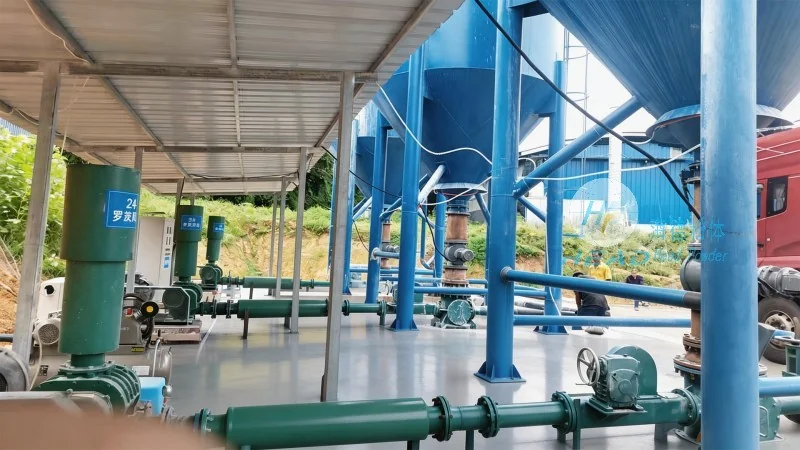
Key Components of a Sugar Material Pneumatic Conveying System
At the core of a sugar material pneumatic conveying system are several critical components that work in tandem to facilitate material transport. These include the hopper or feeder, which serves as the initial storage and feeding unit for the sugar. The hopper is typically equipped with a rotary valve or a star feeder to control the flow rate of the material, ensuring a consistent and controlled discharge into the conveying line. The conveying line itself, often made of stainless steel or other corrosion-resistant materials, is the primary pathway for the sugar particles. It may be of the dilute phase or dense phase type, depending on the system design and the specific requirements of the sugar being transported. Additionally, a blower or a positive displacement pump provides the necessary air or gas pressure to move the sugar through the line. The system may also include a filter or a cyclone separator to capture any fine particles and prevent them from being discharged into the environment. Finally, the discharge unit, such as a rotary valve or a bagging machine, collects the sugar at the destination point, completing the transport cycle.
Operation Process of the Sugar Material Pneumatic Conveying System
The operation process of a sugar material pneumatic conveying system involves several sequential steps that ensure smooth and efficient material transport. The process begins with the loading of sugar into the hopper. The rotary valve or star feeder then regulates the flow of sugar from the hopper into the conveying line. Simultaneously, the blower or pump generates the required air pressure, which is introduced into the conveying line at the inlet. As the air flows through the line, it entrains the sugar particles, forming a mixture of air and sugar. This mixture travels through the conveying line to the discharge point. At the discharge end, the air and sugar mixture is separated, typically using a cyclone separator or a filter. The separated air is then discharged back into the system or released to the atmosphere, while the sugar is collected in the discharge unit. The entire process is controlled by a programmable logic controller (PLC) or a similar control system, which monitors the flow rate, pressure, and other parameters to maintain optimal operation. The system may also include safety features, such as pressure relief valves, to prevent over-pressurization and ensure safe operation.
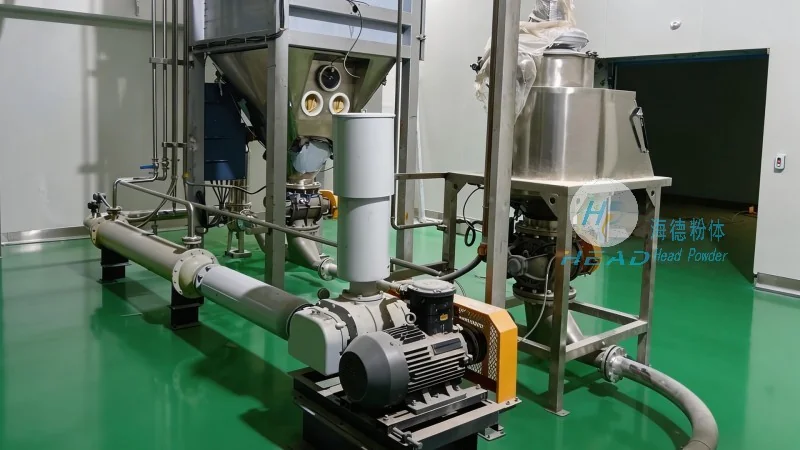
Working Principle of the Pneumatic Conveying System
The working principle of a sugar material pneumatic conveying system is based on the principles of fluid dynamics and particle transport. In a dilute phase system, the sugar particles are suspended in the air stream and transported as a mixture. The air velocity in the conveying line must be sufficient to keep the particles in suspension and overcome the gravitational forces acting on them. The pressure drop along the conveying line is a critical factor, as it determines the energy required to move the material. In a dense phase system, the air velocity is lower, and the sugar particles are transported in a more compacted form, which reduces the pressure drop and energy consumption. The system operates by creating a pressure differential between the inlet and the outlet of the conveying line. The blower or pump generates a higher pressure at the inlet, which drives the air and sugar mixture through the line. The pressure drop along the line is balanced by the resistance offered by the sugar particles and the conveying line itself. The efficiency of the system is influenced by factors such as the particle size, density, and moisture content of the sugar, as well as the design of the conveying line and the operating conditions.
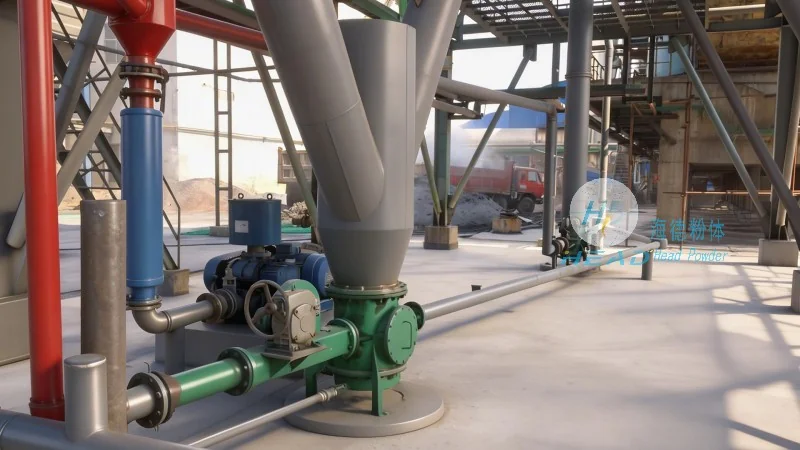
Benefits of Using a Sugar Material Pneumatic Conveying System
Implementing a sugar material pneumatic conveying system offers several benefits for sugar processing facilities. Firstly, it provides a clean and hygienic method of transporting sugar, which is essential for maintaining product quality and preventing contamination. The enclosed system prevents dust and fine particles from being released into the environment, reducing the risk of product loss and environmental pollution. Secondly, the system is highly efficient in terms of energy consumption and material handling. By using air as the conveying medium, the system minimizes the need for mechanical components, such as conveyor belts or buckets, which can be prone to wear and tear. This results in lower maintenance costs and longer operational life. Thirdly, the system offers flexibility in terms of the distance and layout of the transport route. The conveying line can be easily adjusted or reconfigured to accommodate changes in the facility layout or production requirements. Finally, the system enhances safety by reducing the risk of manual handling of sugar, which can lead to accidents and injuries.
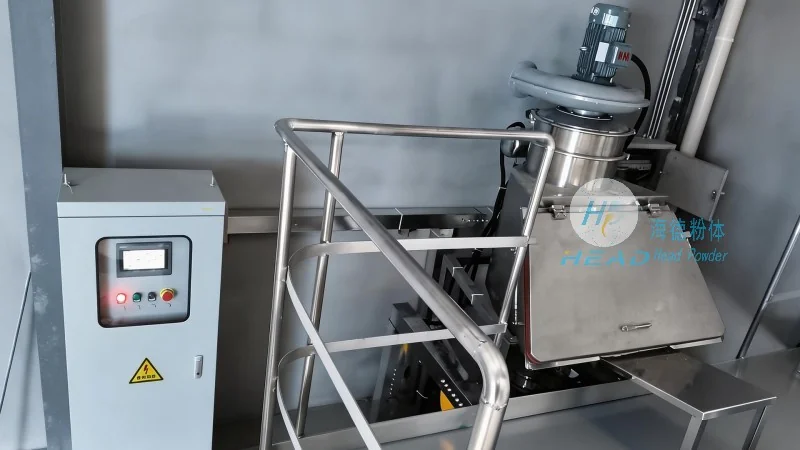
Applications and Industries
Sugar material pneumatic conveying systems are widely used in various industries, particularly in the sugar processing sector. They are commonly employed in sugar mills, refineries, and processing plants to transport raw sugar, refined sugar, and other sugar products. The systems are also used in the food and beverage industry for transporting sugar in the production of confectionery, beverages, and other food products. Additionally, they are utilized in pharmaceutical and chemical industries for transporting sugar-based ingredients or additives. The versatility of the system makes it suitable for a wide range of applications, from small-scale operations to large industrial facilities.
Conclusion
In conclusion, the operation process and working principle of sugar material pneumatic conveying systems are essential for efficient and reliable material handling in sugar processing facilities. The system's components, operational steps, and underlying principles work together to ensure the smooth transport of sugar while maintaining product quality and safety. By understanding and optimizing these aspects, sugar processing facilities can improve their operational efficiency, reduce costs, and enhance overall productivity. As a leading provider of sugar material pneumatic conveying systems, Shandong HeadPowder Engineering Co., Ltd. offers high-quality and reliable solutions tailored to the specific needs of sugar processing facilities. With their expertise and commitment to quality, they provide systems that meet the highest standards of performance and durability.