

Operation Process and Working Principle of a White Carbon Black Material Pneumatic Conveying System
HeadPowder, a leading engineering company based in Shandong, China, specializes in the design, manufacturing, and installation of advanced pneumatic conveying systems for various industrial applications. This article provides a detailed overview of the operation process and working principle of a white carbon black material pneumatic conveying system, highlighting the key components, operational steps, and technical aspects that ensure efficient and reliable material handling.
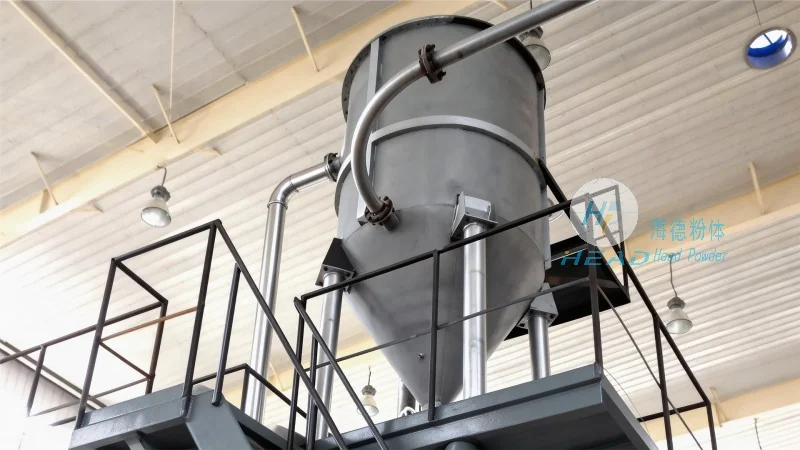
Company Profile and System Overview
Shandong HeadPowder Engineering Co., Ltd. is a professional enterprise dedicated to providing high-quality pneumatic conveying solutions. The company, headquartered in Shandong, China, leverages decades of industry experience to develop customized systems tailored to the specific needs of clients in the chemical, pharmaceutical, food, and other industries. The white carbon black material pneumatic conveying system is a critical piece of equipment used for transporting white carbon black, a widely used industrial filler and pigment, from storage silos or production lines to processing units or packaging areas. This system combines the advantages of pneumatic conveying technology with robust engineering to ensure safe, efficient, and low-dust material transport.
Key Components of the Pneumatic Conveying System
The white carbon black material pneumatic conveying system typically consists of several essential components that work in tandem to achieve effective material transport. These components include a material hopper or silo for storage, a rotary valve or feeder to control the flow of white carbon black, a conveying line (usually made of stainless steel or other corrosion-resistant materials), a blower or air compressor to generate the necessary air pressure, a filter system to remove dust and particles from the exhaust air, and a discharge unit or receiver at the destination point. Each component plays a crucial role in the overall operation of the system, and their proper integration is vital for optimal performance.
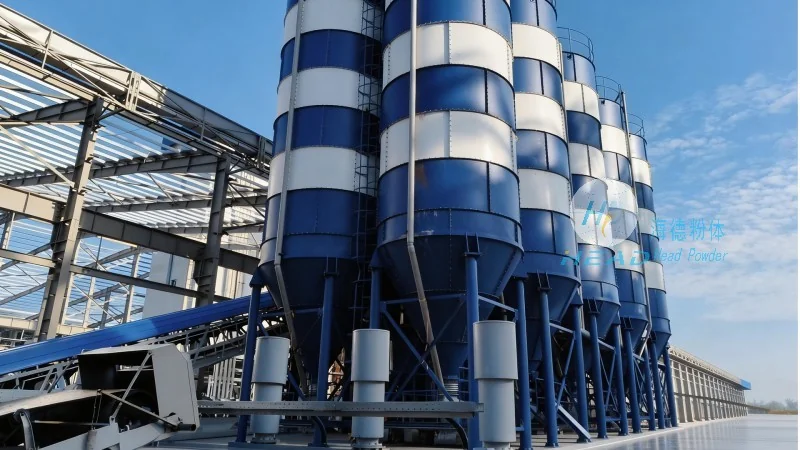
Operation Process of the Pneumatic Conveying System
The operation of the white carbon black material pneumatic conveying system follows a systematic sequence of steps to ensure smooth and continuous material transport. The process begins with the white carbon black being stored in the material hopper or silo. The rotary valve or feeder then regulates the flow of material into the conveying line, controlling the quantity and rate of material discharge. Simultaneously, the blower or air compressor generates high-pressure air, which is introduced into the conveying line. The air and material mixture travels through the pipeline, with the air providing the necessary force to move the white carbon black particles. As the mixture reaches the destination point, the discharge unit or receiver separates the material from the air, allowing the white carbon black to be deposited in the desired location. The exhaust air, now containing fine particles, passes through a filter system to capture any residual dust before being released back into the environment. This cycle repeats continuously as long as material is being fed into the system, ensuring a steady flow of white carbon black to the processing or packaging areas.
Working Principle of the Pneumatic Conveying System
The working principle of the white carbon black material pneumatic conveying system is based on the fundamental concept of pneumatic transport, where material particles are suspended and transported by a moving air stream. The system operates on the principle of differential pressure, where the air pressure inside the conveying line is higher than the ambient pressure, creating a pressure differential that drives the material forward. The rotary valve or feeder controls the rate of material introduction, while the blower or air compressor maintains the required air velocity to keep the white carbon black particles in suspension. The conveying line's design, including its diameter, length, and bends, is optimized to minimize pressure drop and ensure efficient material transport. The filter system is crucial for maintaining air quality and preventing dust accumulation in the system, which could lead to blockages or reduced efficiency. Overall, the system's working principle combines mechanical and pneumatic forces to achieve reliable and efficient transport of white carbon black material, minimizing downtime and operational costs.
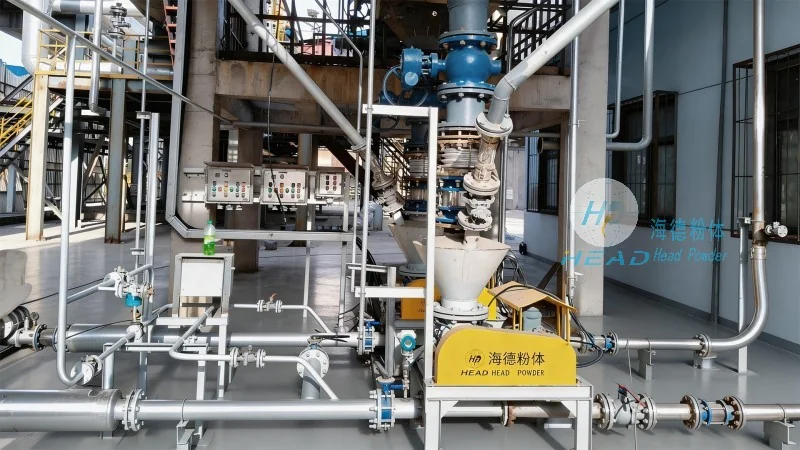
Advantages and Applications of the System
The white carbon black material pneumatic conveying system offers several advantages over traditional mechanical conveying methods, making it an ideal choice for handling white carbon black and other fine powders. Some of the key advantages include: (1) Reduced material handling time and labor costs due to automated operation; (2) Lower risk of material contamination and cross-contamination compared to manual handling; (3) Improved safety by minimizing direct contact with the material and reducing dust exposure; (4) Flexibility in system design to accommodate various production volumes and layout requirements; (5) Lower maintenance costs due to fewer moving parts and reduced wear and tear. The system is widely used in industries such as chemical manufacturing, rubber processing, plastic production, and pharmaceuticals, where white carbon black is a critical component in the production of various products. For example, in the rubber industry, white carbon black is used as a reinforcing filler in tire manufacturing, and the pneumatic conveying system ensures a consistent and efficient supply of this material to the production lines. Similarly, in the plastic industry, white carbon black is used as a pigment and UV stabilizer, and the system helps maintain the quality and consistency of the final product by ensuring uniform material distribution.
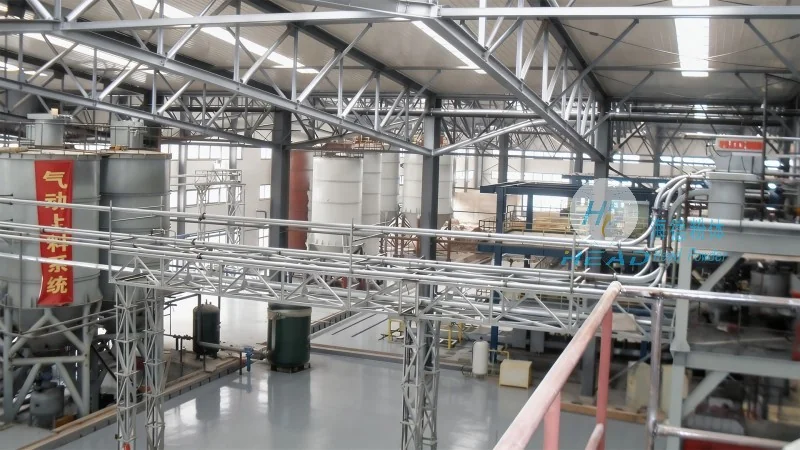
Maintenance and Operational Considerations
To ensure the long-term performance and reliability of the white carbon black material pneumatic conveying system, regular maintenance and proper operational considerations are essential. The system requires routine checks and maintenance of key components, including the rotary valve or feeder, blower or air compressor, filter system, and conveying line. Regular cleaning of the filter system is crucial to prevent clogging and maintain air quality. The conveying line should be inspected periodically for signs of wear, corrosion, or blockages, and any issues should be addressed promptly to avoid system downtime. The blower or air compressor should be checked for proper air pressure and flow rates, and any adjustments made as needed to maintain optimal performance. Additionally, the system should be operated within the recommended parameters, such as material flow rate and air pressure, to avoid overloading or damaging the components. Proper training of operators on the system's operation and maintenance is also important to ensure safe and efficient operation. By following these maintenance and operational guidelines, the white carbon black material pneumatic conveying system can provide reliable and efficient material transport for years to come, minimizing downtime and maximizing productivity.
Conclusion
In conclusion, the white carbon black material pneumatic conveying system is a sophisticated and efficient solution for handling white carbon black and other fine powders in industrial applications. Developed and manufactured by Shandong HeadPowder Engineering Co., Ltd., a leading engineering company based in Shandong, China, this system combines advanced technology with robust engineering to ensure reliable and low-dust material transport. The operation process involves a systematic sequence of steps, from material storage to discharge, while the working principle is based on pneumatic transport and differential pressure. The system offers several advantages over traditional methods, including reduced labor costs, improved safety, and flexibility in design. With proper maintenance and operational considerations, the system can provide long-term performance and reliability, making it an ideal choice for industries that rely on white carbon black as a critical component in their production processes. HeadPowder's expertise in pneumatic conveying systems ensures that clients receive customized solutions tailored to their specific needs, helping them achieve optimal performance and productivity in their operations.