

Operation Process and Working Principle of Foam Particle Material Pneumatic Conveying System
HeadPowder, a leading engineering company based in Shandong, China, specializes in the design, manufacturing, and implementation of advanced pneumatic conveying systems for various industrial applications. This article provides a detailed overview of the operation process and working principle of a foam particle material pneumatic conveying system, highlighting the key components, operational steps, and technical aspects that ensure efficient and reliable material transport.
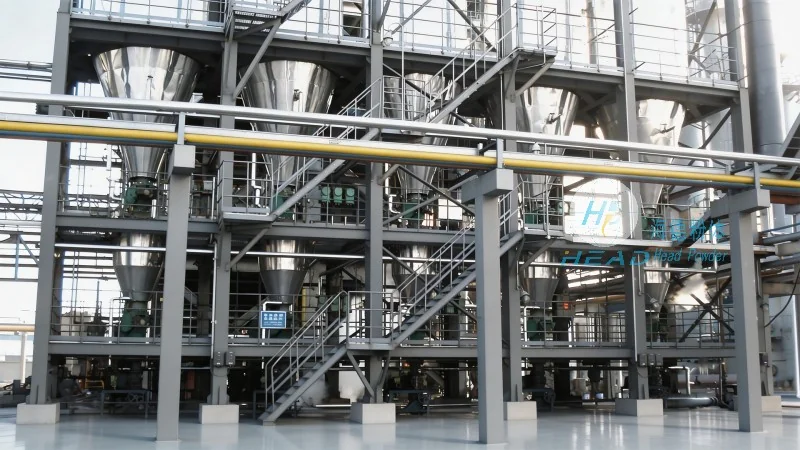
System Overview and Core Components
The foam particle material pneumatic conveying system is engineered to handle bulk materials, such as powders and granules, by utilizing compressed air or gas to transport them through a pipeline network. The system typically consists of several critical components, including a material feeding unit, a foam generation module, a conveying pipeline, a control system, and a discharge mechanism. Each component plays a vital role in the overall functionality of the system, ensuring seamless material movement from the source to the destination.
Operation Process: Step-by-Step Breakdown
The operation of the foam particle material pneumatic conveying system follows a systematic sequence of steps to achieve efficient material transport. The process begins with the material feeding unit, where bulk materials are introduced into the system. This unit may include a hopper or a feeder that regulates the flow rate of the material into the system, preventing overloading and ensuring consistent feed. Next, the foam generation module is activated, where a foaming agent is mixed with the compressed air to create a stable foam. This foam, combined with the material particles, forms a slurry-like mixture that enhances the conveying efficiency and reduces particle degradation.
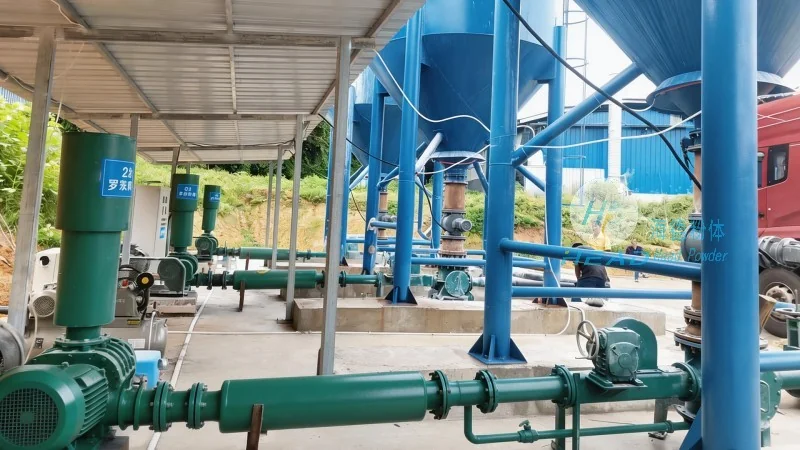
Once the foam and material mixture is prepared, it is introduced into the conveying pipeline. The pipeline is designed with appropriate diameters and bends to accommodate the flow of the foam-aided material. The compressed air, now mixed with the foam and material, propels the mixture through the pipeline. The control system monitors the pressure, flow rate, and temperature within the system, adjusting parameters as needed to maintain optimal performance. The discharge mechanism at the end of the pipeline separates the material from the foam and delivers the material to the intended destination, such as a storage silo or processing unit.
Working Principle: How the System Transports Materials
The working principle of the foam particle material pneumatic conveying system is based on the principles of fluid dynamics and particle suspension. The system utilizes compressed air to create a low-density foam that suspends the material particles, allowing them to be transported as a homogeneous mixture. This suspension reduces the friction between particles and the pipeline wall, minimizing wear and tear on the system components. The foam also acts as a lubricant, reducing the pressure drop along the pipeline and improving the overall conveying efficiency. By maintaining a stable foam structure, the system ensures consistent material flow and prevents clogging or blockages that could disrupt the operation.
Key Advantages and Applications
The foam particle material pneumatic conveying system offers several advantages over traditional pneumatic conveying methods, making it suitable for a wide range of industrial applications. The system is capable of transporting materials with high moisture content or sticky properties, which are challenging for conventional systems. The foam enhances the material's flowability, reducing the risk of agglomeration and ensuring uniform transport. Additionally, the system is energy-efficient, as it minimizes the need for high-pressure air and reduces the wear on components, leading to lower operational costs over time.
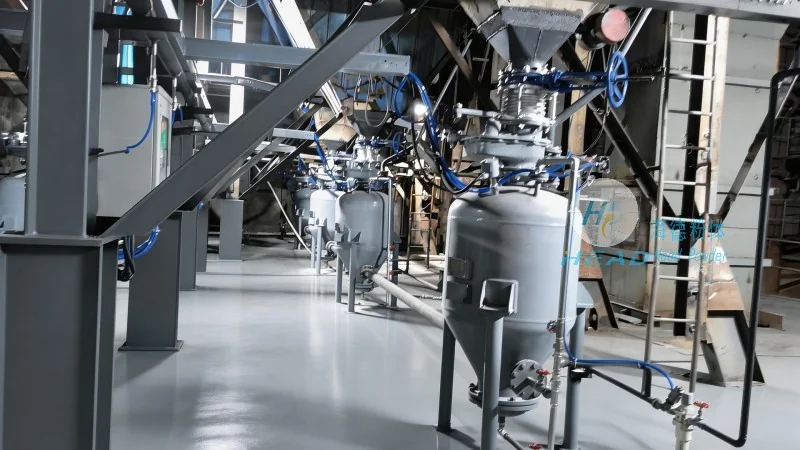
HeadPowder's foam particle material pneumatic conveying systems are widely used in industries such as pharmaceuticals, food processing, chemicals, and minerals. These systems are particularly effective for transporting sensitive materials that require gentle handling, as the foam suspension prevents particle breakage and maintains product quality. The system's flexibility allows for customization to meet specific operational requirements, including varying material types, flow rates, and pipeline lengths.
Conclusion: Ensuring Efficient Material Handling
In conclusion, the foam particle material pneumatic conveying system developed by Shandong HeadPowder Engineering Co., Ltd. represents a sophisticated solution for efficient bulk material transport. By integrating advanced foam generation technology with pneumatic conveying principles, the system ensures reliable, low-maintenance operation and optimal material handling performance. With its ability to handle challenging materials and adapt to diverse industrial needs, this system is a valuable asset for companies seeking to enhance their material transport processes and improve overall operational efficiency.