

Operation Process and Working Principle of Feed Material Pneumatic Conveying Equipment
HeadPowder, a leading manufacturer based in Shandong, China, specializes in the design and production of advanced pneumatic conveying systems tailored for the feed industry. This article provides a detailed overview of the operation process and working principles of feed material pneumatic conveying equipment, highlighting the technical aspects and practical applications that make these systems essential in modern feed processing operations.
Introduction to Pneumatic Conveying Systems for Feed Materials
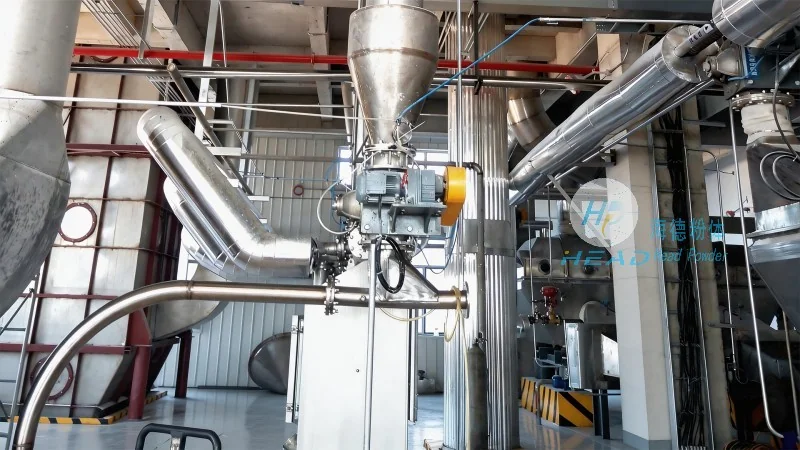
Pneumatic conveying systems are widely used in the feed industry to transport bulk materials such as grains, pellets, and other feed ingredients from one location to another within a processing facility. These systems utilize air or gas as the conveying medium to move materials through a pipeline network, offering advantages like dust control, reduced contamination, and efficient material handling compared to traditional mechanical conveying methods. The core components of a typical pneumatic conveying system include a material hopper, a conveyor line, a control system, and a dust collection unit, all working in tandem to ensure smooth and reliable material transport.
Key Components of Feed Material Pneumatic Conveying Equipment
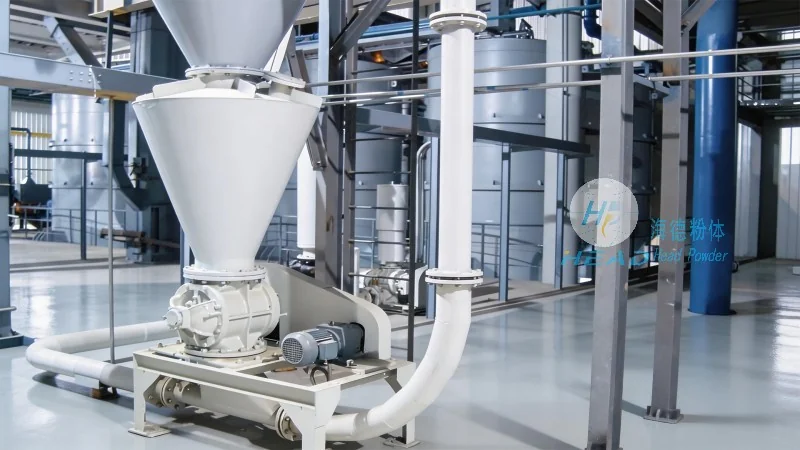
The effectiveness of a pneumatic conveying system for feed materials depends on the integration of several critical components. The material hopper serves as the storage and feeding unit, where feed ingredients are loaded and prepared for transport. It is equipped with a feeder, such as a rotary valve or a screw feeder, which regulates the flow of material into the conveyor line. The conveyor line itself is a network of pipes that transport the material using air pressure. The control system manages the operation of the feeder, air compressor, and other components, ensuring optimal performance and preventing system overload. Finally, a dust collection unit is often included to capture and filter any airborne particles, maintaining a clean and safe working environment.
Operation Process of Feed Material Pneumatic Conveying Systems
The operation process of a feed material pneumatic conveying system involves several sequential steps. First, the feed ingredients are loaded into the material hopper. The feeder then starts to discharge the material into the conveyor line at a controlled rate. Simultaneously, the air compressor generates high-pressure air, which is introduced into the conveyor line. The air and material mixture travels through the pipeline, with the air providing the necessary force to move the material. At the destination point, the material is discharged into a receiving hopper or storage bin. The control system continuously monitors the system parameters, such as pressure and flow rate, to maintain consistent operation and prevent any issues like blockages or air leaks.
Working Principle of Pneumatic Conveying for Feed Materials
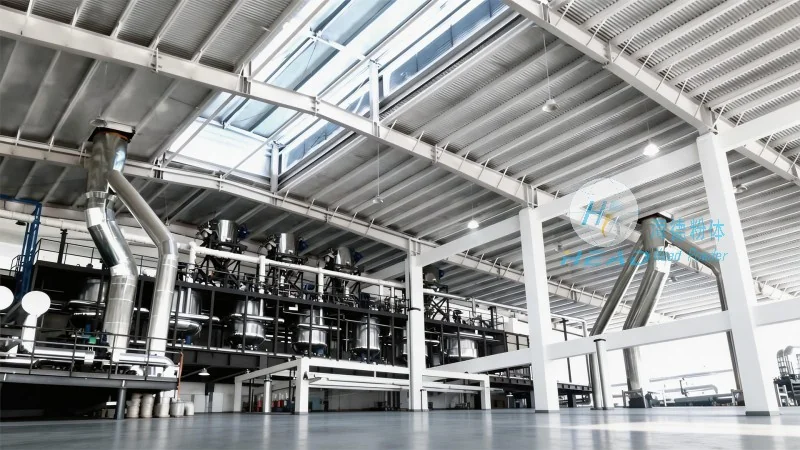
The working principle of pneumatic conveying for feed materials is based on the fundamental concept of fluidization and transport. When air is introduced into the conveyor line at a sufficient velocity, it creates a fluidized state where the feed particles are suspended and carried along by the air stream. This process is known as dilute-phase conveying, which is the most common method for transporting feed materials due to its efficiency and low maintenance requirements. The air velocity must be maintained above the minimum fluidization velocity to prevent material settling or blockages. Additionally, the system may employ different conveying modes, such as pressure or vacuum, depending on the specific application and distance between the source and destination points. Pressure conveying uses compressed air to push the material forward, while vacuum conveying uses a vacuum to pull the material through the pipeline.
Advantages of Using Pneumatic Conveying for Feed Processing
Implementing pneumatic conveying systems in feed processing operations offers numerous benefits that enhance efficiency and product quality. One of the primary advantages is the ability to maintain a dust-free environment, which is crucial for preventing contamination and ensuring compliance with food safety regulations. Unlike mechanical conveyors, which can generate significant dust and debris, pneumatic systems keep the material contained within the pipeline, reducing the risk of cross-contamination. Another key benefit is the improved material handling efficiency, as these systems can transport large volumes of feed ingredients quickly and reliably, even over long distances. The flexibility of pneumatic conveying also allows for easy integration with other processing equipment, such as mixers and grinders, creating a seamless workflow in the feed manufacturing process. Furthermore, the reduced need for manual handling minimizes labor costs and improves workplace safety by eliminating the risk of material spills or accidents.
Technical Considerations for Optimal Performance
To ensure the optimal performance of feed material pneumatic conveying equipment, several technical considerations must be addressed. The selection of the appropriate conveying mode (pressure or vacuum) is critical, as it depends on factors such as the distance between the source and destination, the material characteristics, and the system layout. For short distances and high material loads, pressure conveying is often preferred, while vacuum conveying is more suitable for longer distances or when the material needs to be transported from multiple sources to a single destination. The air velocity and pressure must be carefully calculated to avoid excessive energy consumption or material degradation. For example, high air velocities can cause wear and tear on the pipeline and components, while low velocities may lead to blockages or inefficient transport. The design of the feeder and hopper is also important, as it affects the uniformity of material flow and prevents material bridging or segregation. Regular maintenance and monitoring of the system components, such as the air compressor, filters, and pipeline, are essential to prevent breakdowns and ensure consistent operation.
Applications in Modern Feed Processing Facilities
Pneumatic conveying systems are widely used in various applications within modern feed processing facilities. In feed mills, these systems are commonly employed to transport raw materials from storage silos to processing lines, such as grinding and mixing. They are also used to move finished feed products from the production area to storage silos or packaging lines. In animal feed production, pneumatic conveying is essential for transporting feed ingredients to feed mixers and then to the final packaging units. Additionally, these systems are used in the transportation of feed additives, such as vitamins and minerals, which require precise and controlled delivery to maintain product quality. The versatility of pneumatic conveying allows it to be adapted to different feed processing scenarios, making it a valuable asset in modern feed manufacturing operations.
Conclusion: The Role of Pneumatic Conveying in Feed Industry
In conclusion, the operation process and working principles of feed material pneumatic conveying equipment are fundamental to the efficiency and effectiveness of modern feed processing operations. HeadPowder, with its expertise in designing and manufacturing advanced pneumatic conveying systems, plays a crucial role in providing solutions that meet the evolving needs of the feed industry. By understanding the key components, operation process, and working principles of these systems, feed manufacturers can optimize their material handling processes, enhance product quality, and ensure compliance with industry standards. The continued development and application of pneumatic conveying technology will undoubtedly contribute to the growth and sustainability of the feed industry, supporting the global demand for high-quality animal feed products.