

Operation Process and Working Principle of Automatic Quantitative Material Pneumatic Conveying Lines
Automatic quantitative material pneumatic conveying lines are advanced industrial systems designed to efficiently transport bulk materials from one location to another with precise control over the quantity and flow rate. These systems are widely used in various industries, including pharmaceuticals, food processing, and chemical manufacturing, where accurate material handling is critical for maintaining product quality and operational efficiency. The technology behind these lines combines pneumatic conveying principles with automated control mechanisms to ensure reliable and consistent performance.
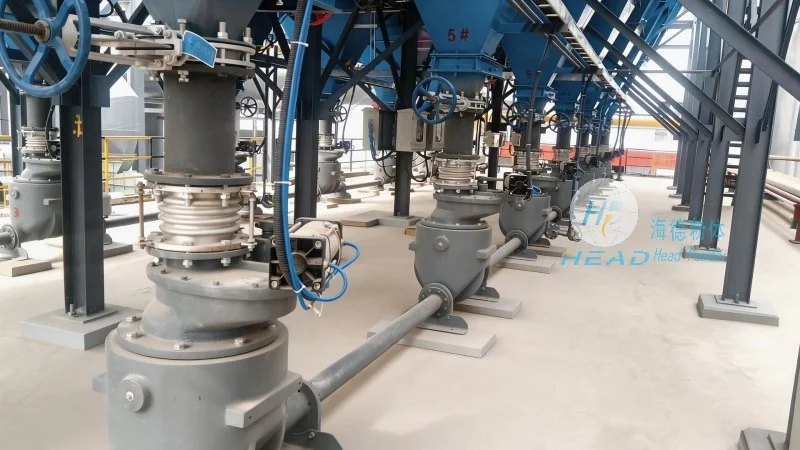
Introduction to the System
Developed by Shandong HeadPowder Engineering Co., Ltd., a leading manufacturer in the field of material handling equipment, the automatic quantitative material pneumatic conveying line represents a significant advancement in bulk material transport solutions. The company, often referred to as HeadPowder, specializes in engineering and manufacturing customized conveying systems tailored to meet the specific needs of clients. HeadPowder's facilities are located in Shandong, China, where the company leverages its expertise and state-of-the-art technology to deliver high-quality products that enhance operational productivity and reduce downtime in industrial settings.
Key Components and System Architecture
The automatic quantitative material pneumatic conveying line consists of several interconnected components that work in harmony to achieve the desired material transfer. The primary components include a material hopper, a rotary valve or feeder, a conveying pipe network, a pressure vessel or receiver, and an automated control unit. The material hopper stores the bulk material, while the rotary valve or feeder regulates the flow of material into the conveying system. The conveying pipe network, typically made of stainless steel or other corrosion-resistant materials, transports the material under pressure using air or other gases. The pressure vessel or receiver collects the material at the destination point, and the automated control unit monitors and adjusts the system parameters in real-time to maintain precise quantity control.
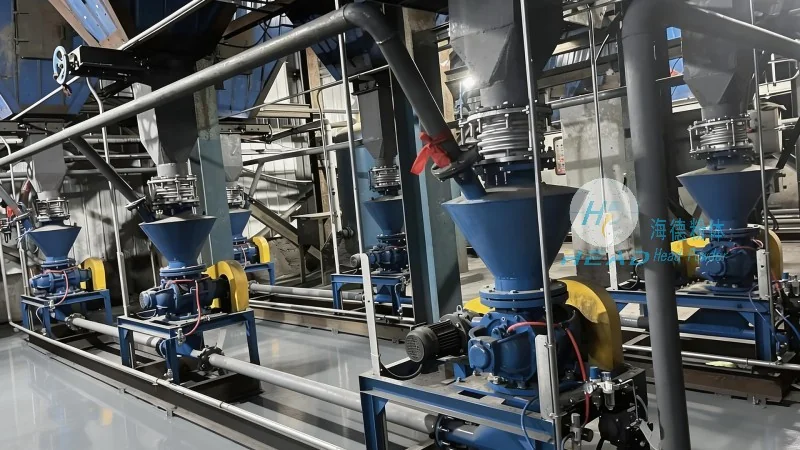
Operation Process: Step-by-Step Execution
The operation of the automatic quantitative material pneumatic conveying line follows a systematic sequence of steps to ensure accurate and efficient material transfer. Initially, the material is loaded into the hopper from a storage silo or other bulk storage container. The rotary valve or feeder then starts, allowing a controlled amount of material to enter the conveying pipe. Simultaneously, the system's air compressor or blower generates the necessary pressure to move the material through the pipe network. As the material travels, the control unit continuously monitors the flow rate and pressure, adjusting the feeder speed or air pressure as needed to maintain the desired quantity. Upon reaching the destination, the material is discharged into the receiver or a processing unit. The system then returns to its standby mode, ready for the next cycle. This automated process minimizes human intervention, reduces the risk of errors, and ensures consistent performance over extended periods.
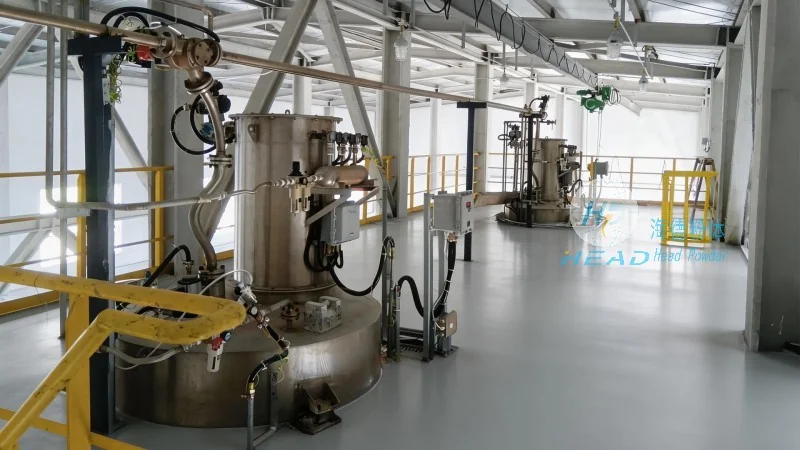
Working Principle: How the System Transfers Materials
The core working principle of the automatic quantitative material pneumatic conveying line is based on the use of air or gas to create a pressure differential that propels the material through the conveying system. When the rotary valve or feeder opens, material particles are entrained by the moving air stream, forming a dense phase or dilute phase flow depending on the system design. The pressure vessel or receiver maintains a higher pressure than the ambient environment, creating a pressure gradient that drives the material forward. The automated control unit plays a crucial role by regulating the air flow and material feed rate to achieve the target quantity. By adjusting these parameters, the system can handle a wide range of materials, from fine powders to granules, with minimal loss and maximum efficiency. The combination of pneumatic transport and precise control mechanisms ensures that the material is delivered to the destination with the exact quantity required, meeting the stringent standards of modern industrial applications.
Technical Advantages and Practical Applications
Automatic quantitative material pneumatic conveying lines offer several technical advantages that make them ideal for demanding industrial environments. One of the key benefits is the ability to achieve precise quantity control, which is essential for processes that require consistent material input, such as pharmaceutical manufacturing or food processing. The system's automated operation reduces labor costs and minimizes the risk of human error, leading to improved operational efficiency and product quality. Additionally, the use of stainless steel and other corrosion-resistant materials ensures durability and hygiene, making the system suitable for applications where material contamination is a concern. The flexibility of the conveying line allows it to be customized to accommodate different material types, flow rates, and distances, providing a versatile solution for various industrial needs. In practical applications, these systems are used to transport materials such as powders, granules, and bulk solids between different parts of a facility, from raw material storage to processing units, and from processing units to packaging lines. The reliability and efficiency of the system contribute to overall operational productivity and cost savings for businesses.