

Operation Process and Working Principle of Pulse Dust Collector Material Pneumatic Conveying Machine
HeadPowder, a leading manufacturer based in Shandong, China, specializes in the design and production of advanced pulse dust collector material pneumatic conveying machines. These systems are engineered to efficiently handle bulk materials, ensuring high performance and reliability in industrial applications.
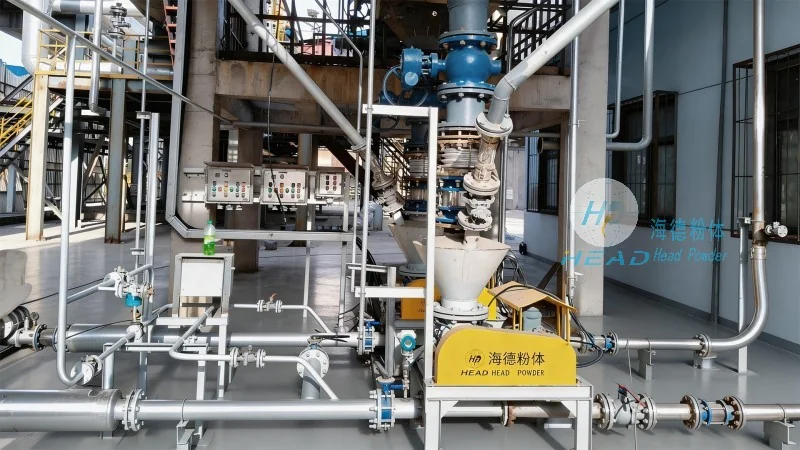
Working Principle of the Pneumatic Conveying System
The core of the pulse dust collector material pneumatic conveying machine lies in its integrated design that combines dust collection and material transport functions. The system operates by utilizing compressed air to create a flow that moves bulk materials from a source to a destination. The pulse mechanism, a key feature, periodically injects bursts of high-pressure air into the conveying line, which helps to maintain consistent material flow and prevent blockages. This method is particularly effective for handling fine or abrasive materials, as it minimizes particle degradation and ensures a smooth transfer process.
Operation Process and Key Components
The operation process of the machine involves several critical components working in tandem. The main components include the dust collector, the pneumatic conveying line, the pulse control system, and the material feeding and discharge mechanisms. The dust collector first captures airborne particles from the material being conveyed, ensuring that the air is cleaned before it is reintroduced into the system. The compressed air is then supplied to the conveying line, where the pulse control system regulates the air pressure and flow rate. As materials are fed into the system, the compressed air propels them through the line to the desired location. The discharge mechanism at the end of the line ensures that the material is released in a controlled manner, preventing spillage and maintaining operational efficiency.
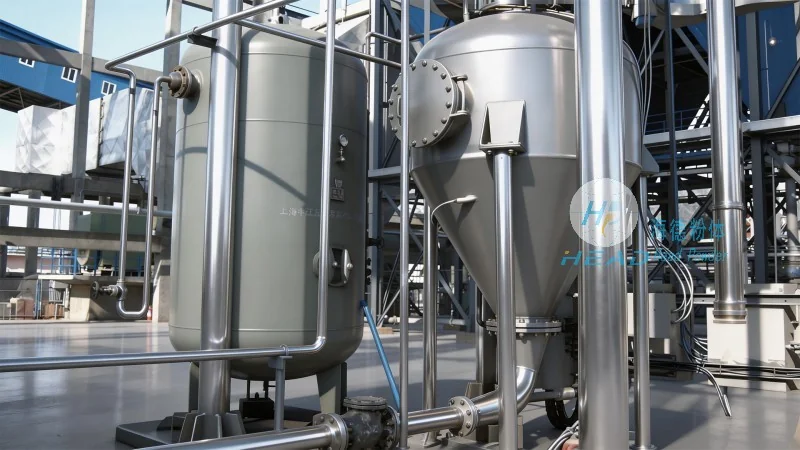
Detailed Operation Steps
The operation process can be broken down into sequential steps that ensure smooth and continuous material transport. First, the bulk material is fed into the hopper of the dust collector. The material then falls into the conveying line as compressed air is introduced. The pulse control system activates, injecting short bursts of high-pressure air to maintain the material's movement. This cycle repeats continuously, maintaining a steady flow of material through the system. The dust collector continuously filters the air, removing any particles that may have escaped, and the cleaned air is recirculated back into the system. The material is then discharged at the receiving end, completing the transport process. This automated process minimizes manual intervention and ensures consistent performance over extended periods.
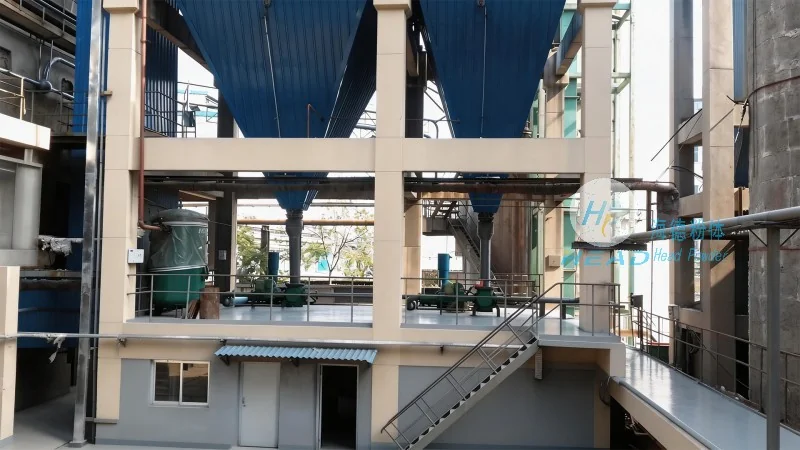
Advantages and Applications
HeadPowder's pulse dust collector material pneumatic conveying machines offer several advantages that make them ideal for various industrial applications. The integrated dust collection feature reduces air pollution and improves workplace safety by minimizing airborne particles. The pulse mechanism enhances conveying efficiency, especially for materials with poor flow characteristics, such as powders and granules. The system's compact design and modular construction allow for easy installation and maintenance, reducing downtime and operational costs. These machines are widely used in industries such as chemical processing, food and beverage, pharmaceuticals, and mining, where efficient material handling and dust control are critical.
Maintenance and Performance Considerations
Maintaining the performance of the pulse dust collector material pneumatic conveying machine is crucial for long-term operational efficiency. Regular maintenance includes checking the air pressure and flow rates, inspecting the conveying line for blockages or wear, and cleaning the dust collector filters. The pulse control system should be calibrated periodically to ensure it operates at the optimal frequency and pressure. HeadPowder recommends routine inspections to identify any potential issues before they become major problems. The system's performance is also influenced by the characteristics of the material being conveyed, such as its moisture content, particle size, and flowability. Materials with high moisture content may require additional drying or conditioning to prevent clogging. Similarly, materials with large particles may need adjustments to the feeder speed or air pressure to ensure smooth transport. By adhering to proper maintenance procedures and considering material properties, users can maximize the lifespan and efficiency of the machine.