

Introduction to Molybdenum Oxide Pneumatic Conveying: Structural Principles and Working Mechanisms
HeadPowder, a leading manufacturer based in Shandong, China, specializes in the design and production of advanced pneumatic conveying systems for molybdenum oxide. This article provides an overview of the technology, focusing on its structural design and operational principles to help clients understand the efficiency and reliability of these systems.
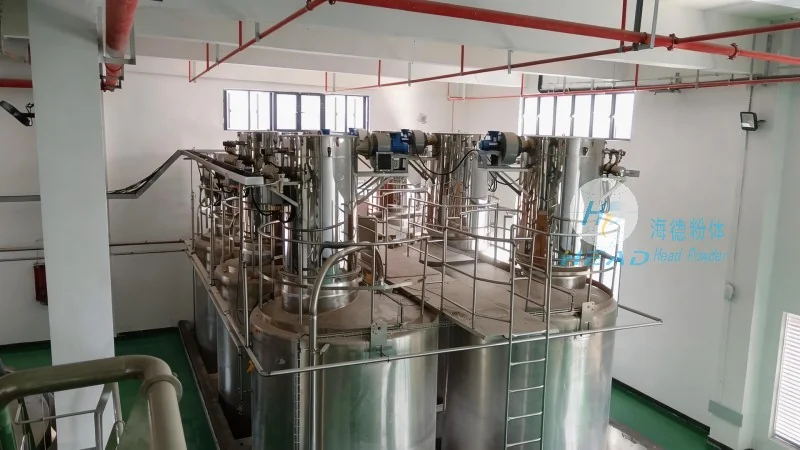
Overview of Molybdenum Oxide Pneumatic Conveying
Molybdenum oxide (MoO₃) is a high-value industrial material widely used in the production of molybdenum metal, catalysts, and other specialized chemicals. Traditional handling methods for such powders often involve manual or mechanical conveying, which can lead to issues like dust contamination, material degradation, and operational inefficiencies. Pneumatic conveying offers a solution by utilizing air flow to transport the material in a closed system, ensuring a clean, safe, and efficient process.
Structural Components of Pneumatic Conveying Systems
The core components of a molybdenum oxide pneumatic conveying system include the material hopper, air compressor, conveying pipes, and receiving hopper. The material hopper is designed to store the molybdenum oxide powder, equipped with a feeding valve to control the flow rate. The air compressor generates the necessary pressure to move the powder through the pipes. The conveying pipes are typically made of stainless steel or other corrosion-resistant materials to prevent contamination and ensure durability. The receiving hopper collects the conveyed material, often with a discharge valve for further processing.
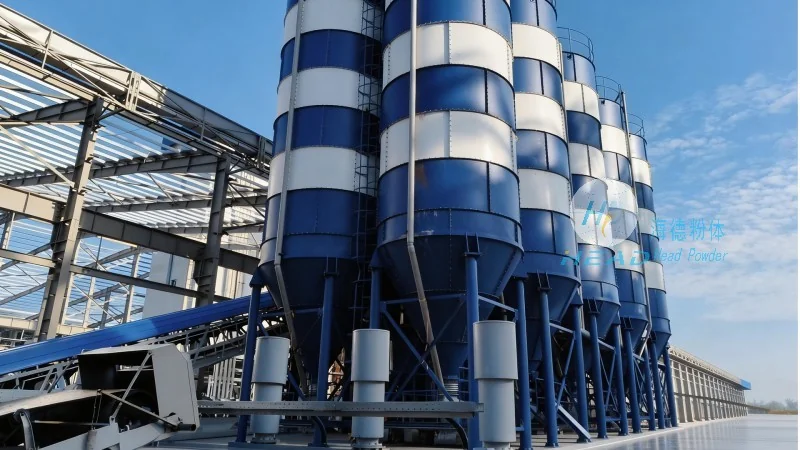
Working Principles of the Conveying Process
The operation of a molybdenum oxide pneumatic conveying system involves several key steps. First, the molybdenum oxide powder is fed from the hopper into the conveying line. Simultaneously, the air compressor supplies compressed air to the system. The air flow creates a low-pressure zone in the conveying line, which draws the powder particles into the air stream. As the mixture travels through the pipes, it is accelerated and transported to the receiving hopper. The system may include additional components such as cyclones or filters to separate the powder from the air, ensuring that the material is delivered in a dry, clean state.
Advantages of Pneumatic Conveying for Molybdenum Oxide
Compared to other conveying methods, pneumatic systems offer several advantages for handling molybdenum oxide. These include minimal material loss, reduced dust exposure for operators, and the ability to transport materials over long distances without the need for intermediate storage. The closed system design also helps maintain the purity of the molybdenum oxide, which is critical for applications where contamination could affect product quality. Additionally, the flexibility of pneumatic conveying allows for integration with existing production lines, making it a cost-effective solution for many industrial settings.
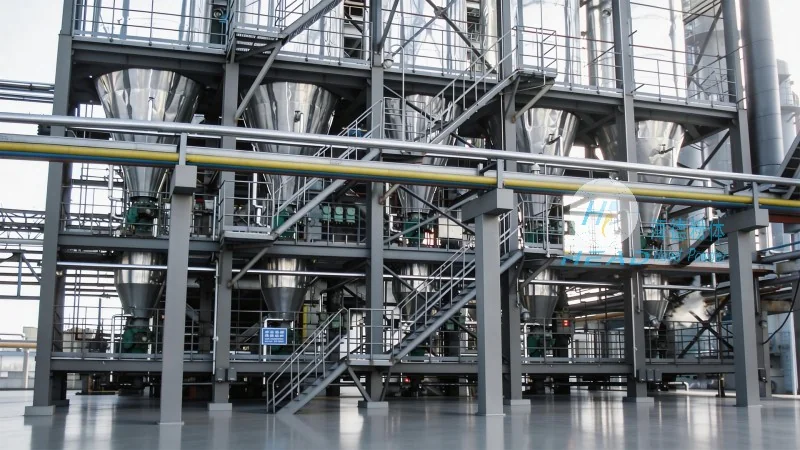
Customization and Application Considerations
HeadPowder understands that each industrial application has unique requirements. Therefore, their pneumatic conveying systems are customizable to meet specific needs, such as varying material flow rates, pipe lengths, or operating pressures. The company’s engineers work closely with clients to design systems that optimize performance while ensuring compliance with safety and environmental regulations. For molybdenum oxide applications, the systems are often tailored to handle the material's specific properties, including its density, particle size, and moisture content, to maximize efficiency and minimize downtime.
Conclusion
Molybdenum oxide pneumatic conveying systems represent a sophisticated solution for the efficient and safe handling of this valuable industrial material. By understanding the structural components and operational principles, industries can leverage these systems to improve productivity, maintain material quality, and enhance workplace safety. HeadPowder, with its expertise and commitment to quality, continues to provide reliable solutions that meet the evolving needs of the molybdenum oxide processing industry.