

Introduction to Fine Sand and Gravel Pneumatic Conveying: Structure and Working Principles
HeadPowder, a leading provider in the field of material handling solutions, specializes in advanced pneumatic conveying systems designed for the efficient transport of fine sand and gravel. Based in Shandong, China, the company has established itself as a trusted partner for industries requiring reliable and high-performance material transport technologies.

Overview of Fine Sand and Gravel Pneumatic Conveying
Fine sand and gravel pneumatic conveying is a method that utilizes air pressure to move granular materials like fine sand and gravel through a pipeline system. This technology offers a dust-free, low-maintenance, and flexible solution for transporting materials over short to medium distances. The system is particularly beneficial in applications where traditional mechanical conveyors may face challenges due to material properties or space constraints.
Key Components of the Pneumatic Conveying System
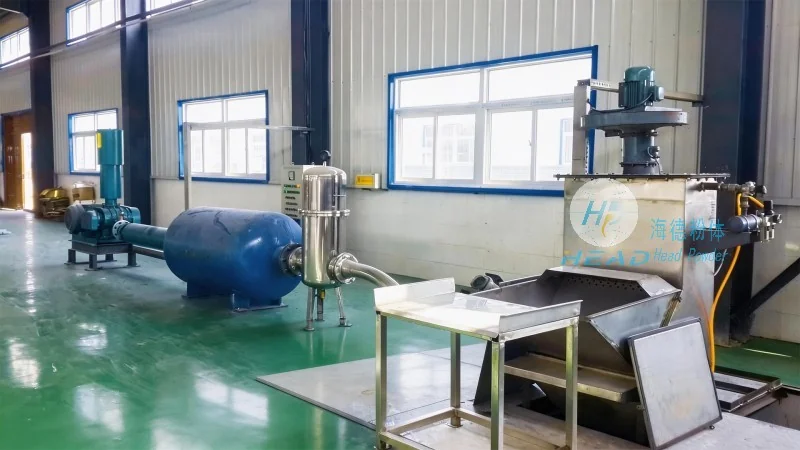
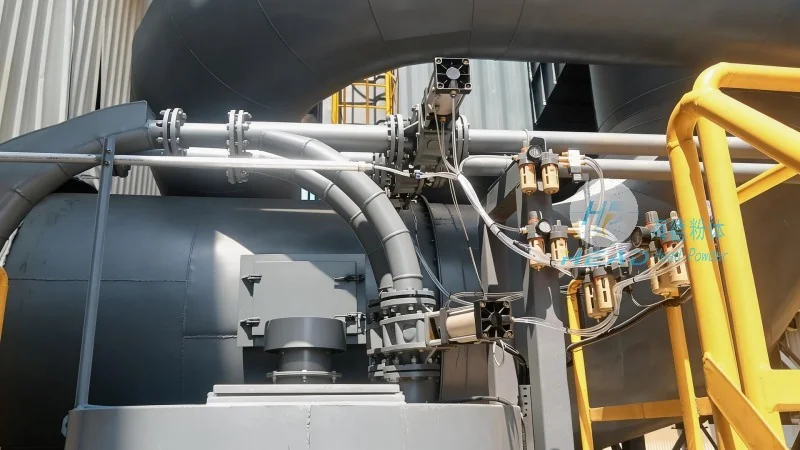
The pneumatic conveying system for fine sand and gravel typically consists of several critical components that work in tandem to ensure efficient material transport. These components include the material hopper, which serves as the storage and feeding unit; the air compressor or blower, which generates the necessary air pressure to move the material; the pipeline network, which forms the transport path; and the discharge unit, where the material is released at the destination. Each component is carefully designed to handle the specific characteristics of fine sand and gravel, ensuring optimal performance and minimal wear.
Working Principle of the Pneumatic Conveying System
The operation of the fine sand and gravel pneumatic conveying system follows a systematic process. Initially, the material is fed from the hopper into the pipeline as the air compressor provides a continuous flow of air. The air, under pressure, creates a flow that lifts and transports the granular material through the pipeline. The system may employ different modes of operation, such as dilute phase or dense phase conveying, depending on the material characteristics and the required transport distance. In dilute phase conveying, the material is suspended in the air stream, while in dense phase conveying, the material is transported in a more concentrated form, often with higher pressure and lower air velocity. This flexibility allows the system to adapt to various operational needs and material types.
Advantages of Pneumatic Conveying for Fine Sand and Gravel
Compared to traditional mechanical conveyors, pneumatic conveying systems offer several advantages when handling fine sand and gravel. These benefits include reduced dust generation, which enhances workplace safety and compliance with environmental regulations. The system also provides a compact design, allowing for installation in spaces where other conveyors may not fit. Additionally, pneumatic conveying is highly flexible, enabling changes in material flow direction or destination without significant modifications to the system. The low maintenance requirements and the ability to transport materials over longer distances without intermediate storage further contribute to its popularity in industrial applications.
Applications and Industries Served
Fine sand and gravel pneumatic conveying systems are widely used across various industries that require the efficient handling of granular materials. These include the construction industry, where sand and gravel are essential components for concrete production and road construction. The mining industry also benefits from this technology for transporting ore and other minerals. Additionally, the agricultural sector uses pneumatic conveyors for handling bulk materials like sand and gravel in irrigation and soil preparation processes. The versatility of the system makes it suitable for a wide range of applications, from small-scale operations to large industrial facilities.
Technical Specifications and Performance
HeadPowder's pneumatic conveying systems for fine sand and gravel are engineered to meet the specific demands of each application. Technical specifications such as air pressure, flow rate, and pipeline diameter are carefully selected based on the material characteristics, such as particle size, density, and moisture content. The system's performance is optimized to ensure high efficiency, with minimal energy consumption and low operational costs. The company's expertise in material handling ensures that the systems are designed to handle the unique challenges associated with fine sand and gravel, including issues related to abrasion and material buildup in the pipeline.
Installation and Maintenance Considerations
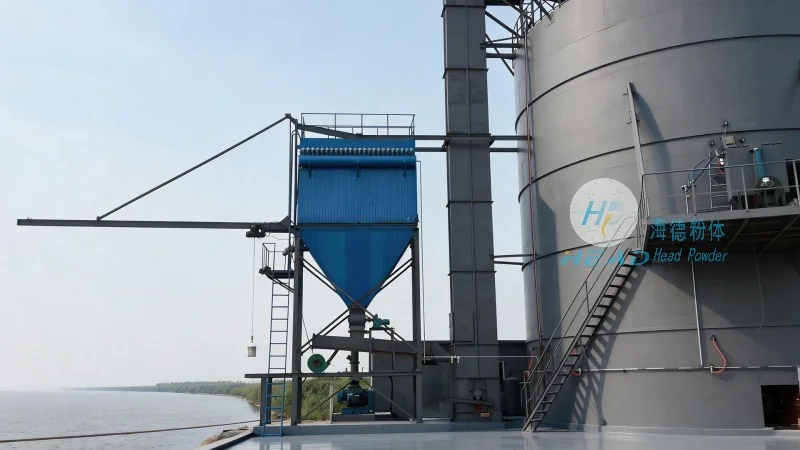
The successful implementation of a fine sand and gravel pneumatic conveying system requires proper installation and regular maintenance. Installation involves careful planning to ensure the pipeline layout is optimized for material flow and minimal pressure loss. The system components are installed with attention to detail to prevent leaks and ensure consistent air pressure. Maintenance is crucial to maintain the system's performance and longevity. Regular checks of the air compressor, pipeline integrity, and material hopper are performed to identify and address any issues promptly. HeadPowder provides comprehensive support, including installation guidance and maintenance services, to ensure the system operates at peak efficiency throughout its lifespan.
Conclusion
Fine sand and gravel pneumatic conveying is a sophisticated and efficient technology that addresses the challenges of transporting granular materials. With its ability to provide a dust-free, flexible, and low-maintenance solution, the system is a preferred choice for industries requiring reliable material handling. HeadPowder, with its expertise and commitment to quality, continues to lead in the development and implementation of advanced pneumatic conveying systems, serving clients in Shandong and beyond with tailored solutions that meet their specific operational needs.