

Introduction to Calcite Pneumatic Conveying and Structural Principle Explanation
Calcite, a common calcium carbonate mineral, is widely used in various industrial applications such as construction materials, chemical processing, and pharmaceuticals. The efficient and reliable transportation of calcite powder is crucial for industrial operations, and pneumatic conveying systems have emerged as a preferred method due to their ability to handle fine powders like calcite with minimal dust and contamination. This article provides an overview of calcite pneumatic conveying systems, focusing on their structural design and operational principles.

Shandong HeadPowder Engineering Co., Ltd., a leading manufacturer in the field of powder handling equipment, specializes in designing and manufacturing advanced pneumatic conveying solutions tailored to the unique requirements of calcite processing. With a strong commitment to quality and innovation, the company has developed comprehensive systems that ensure optimal performance and durability for calcite transportation. The company's headquarters is located in Shandong, China, where it leverages local expertise and resources to deliver high-quality engineering solutions.
Structural Components of Pneumatic Conveying Systems for Calcite
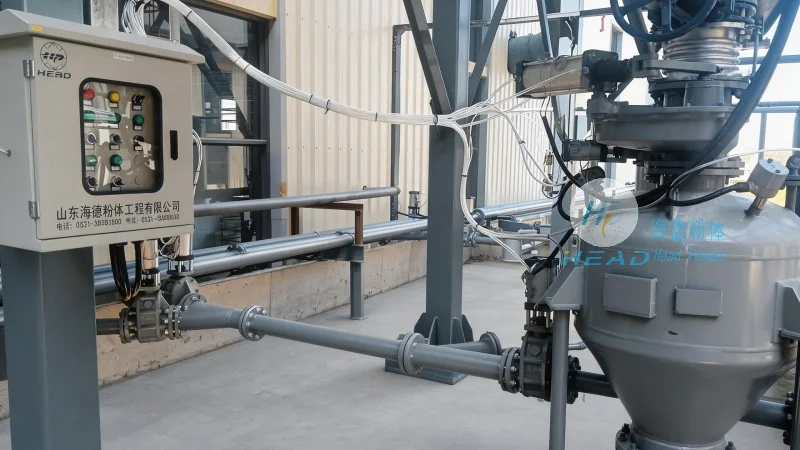
The core components of a calcite pneumatic conveying system typically include a material feed hopper, a conveyor line (either dilute or dense phase), a separation unit, and a dust collection system. The feed hopper is designed to store and feed calcite powder into the system at a controlled rate, ensuring consistent material flow. It often features a screw feeder or a rotary valve to regulate the discharge of the powder, preventing blockages and maintaining uniform feed.
The conveyor line is the central part of the system, responsible for transporting calcite particles through the air. In dilute phase systems, the material is suspended in a high-velocity air stream, allowing for long-distance transport with minimal pressure drop. Dense phase systems, on the other hand, use lower air velocities and higher material concentrations, which reduces wear on equipment and minimizes product degradation. The choice between these two phases depends on factors such as the particle size of calcite, the required transport distance, and the desired system efficiency.
Operational Principles and Flow Dynamics
The operation of a calcite pneumatic conveying system relies on the principles of fluid dynamics and particle motion. When air is introduced into the conveyor line, it creates a pressure differential that propels the calcite particles forward. The velocity of the air stream must be sufficient to overcome the gravitational forces acting on the particles and to maintain their suspension. This requires careful calculation of air flow rates and pressure levels to ensure stable transport without causing excessive wear on the system components.
During the conveying process, calcite particles experience various forces, including drag, lift, and gravity. The drag force, caused by the interaction between the particles and the air stream, is the primary force that moves the particles forward. The lift force, generated by the upward movement of the air, helps to keep the particles suspended in the air stream. The balance between these forces is critical for maintaining a stable and efficient conveying operation. Additionally, the system must account for the particle size distribution of calcite, as larger particles may require higher air velocities to remain suspended, while smaller particles may settle more quickly and require different handling strategies.
Advantages of Pneumatic Conveying for Calcite Handling
Compared to traditional mechanical conveying methods, pneumatic conveying offers several advantages for calcite transportation. One of the key benefits is the ability to handle fine powders without the need for additional equipment such as conveyors or elevators. This reduces the risk of dust accumulation and product contamination, which is particularly important for calcite used in pharmaceutical or food applications. Additionally, pneumatic systems can transport calcite over long distances with minimal energy consumption, making them cost-effective for large-scale operations.
Another advantage is the flexibility of pneumatic conveying systems. They can be easily integrated with existing processing lines and can be adapted to handle varying calcite feed rates and particle sizes. The systems are also relatively compact, allowing for installation in confined spaces, which is beneficial for facilities with limited floor space. Furthermore, the absence of moving parts in the conveying line reduces maintenance requirements and extends the lifespan of the equipment, leading to lower operational costs over time.
Applications and Industry Impact
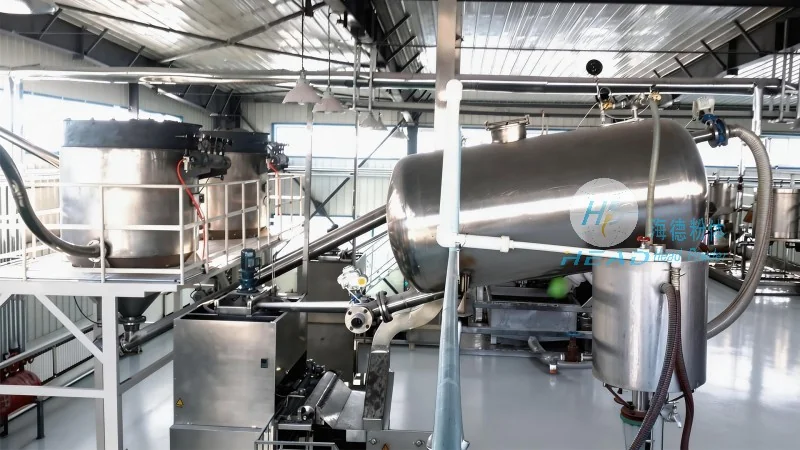
Calcite pneumatic conveying systems are widely used in various industries that rely on calcite as a raw material. In the construction industry, calcite is used to produce cement and concrete, and pneumatic conveying systems ensure efficient transportation of the fine powder from storage to processing facilities. In the chemical industry, calcite is used as a filler or a raw material for calcium-based products, and the ability to handle calcite without contamination is crucial for maintaining product quality. The pharmaceutical industry also benefits from pneumatic conveying systems, as they can transport calcite used in drug formulations without introducing impurities or moisture.
The adoption of advanced pneumatic conveying solutions by companies like Shandong HeadPowder Engineering Co., Ltd. has significantly improved the efficiency and reliability of calcite handling processes. By providing customized systems that meet the specific needs of each client, the company has helped industries achieve higher productivity, lower operational costs, and improved product quality. The continuous innovation in pneumatic conveying technology has further enhanced the capabilities of these systems, making them an essential component of modern calcite processing operations.
Conclusion and Future Outlook
In conclusion, calcite pneumatic conveying systems represent a sophisticated and efficient method for transporting calcite powder in industrial applications. The structural design and operational principles of these systems are carefully engineered to ensure optimal performance, reliability, and durability. Companies like Shandong HeadPowder Engineering Co., Ltd. play a vital role in developing and implementing these systems, contributing to the advancement of calcite processing technologies. As industrial demands for efficient powder handling continue to grow, the importance of pneumatic conveying systems in calcite transportation will only increase, driving further innovation and development in the field.