

Introduction to Denitrator Agent Pneumatic Conveying and Structural Principle Explanation
Denitrator agent pneumatic conveying is a critical technology in modern industrial processes, particularly in the field of flue gas treatment for nitrogen oxide reduction. This method efficiently transports denitrator agents, such as ammonia or urea solutions, to the required locations within a plant. Understanding the structural principles and operational mechanisms of this system is essential for optimizing performance and ensuring reliable operation.
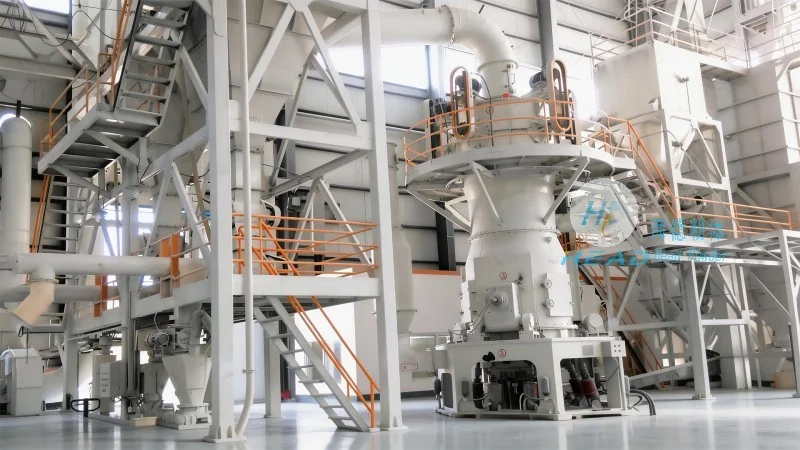
About Shandong HeadPowder Engineering Co., Ltd.
Headpowder, the professional brand under Shandong HeadPowder Engineering Co., Ltd., specializes in the design, manufacturing, and integration of advanced pneumatic conveying systems. With a strong presence in China, particularly in Shandong province, the company has established itself as a trusted provider of solutions tailored to the needs of industrial clients. The company’s headquarters and operational base are located in Shandong, China, enabling close collaboration with clients and efficient project execution.
Overview of Denitrator Agent Pneumatic Conveying
Pneumatic conveying systems for denitrator agents are designed to handle liquid or slurry-based reagents that are crucial for selective catalytic reduction (SCR) processes. These systems ensure that the denitrator agent is delivered to the reaction zone with minimal loss and maximum efficiency. The technology involves the use of compressed air or other gases to create a flow that transports the agent through a network of pipes and components. This approach eliminates the need for traditional mechanical conveyors, reducing maintenance costs and improving safety in hazardous environments.
Structural Components and Working Principle
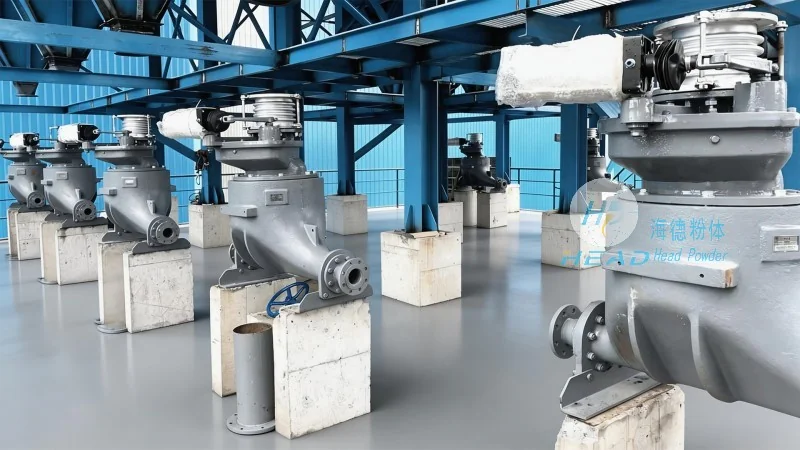
The core structure of a denitrator agent pneumatic conveying system typically includes several key components. The system begins with a feeding unit, which may be a pump or a metering device that controls the flow rate of the denitrator agent. This is followed by a pressure vessel or a mixing tank, where the agent may be prepared or mixed with other additives if required. The main conveying line, often made of corrosion-resistant materials such as stainless steel or plastic, transports the agent from the source to the injection point. Along the pipeline, there are various components like expansion joints, bends, and check valves to manage pressure changes and prevent backflow.
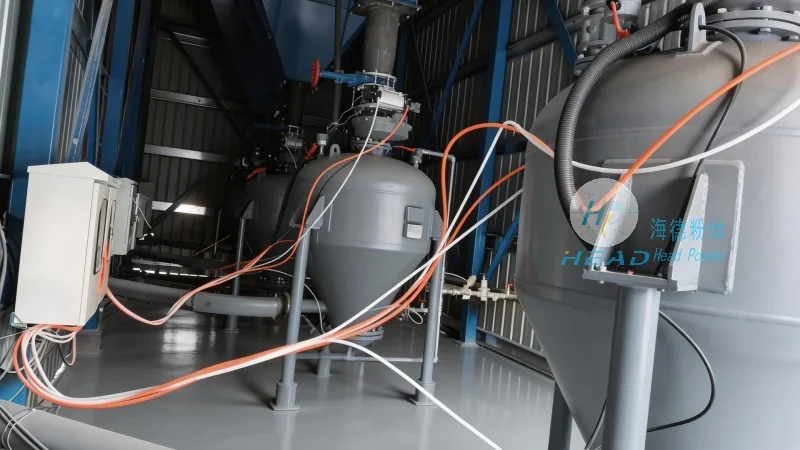
The heart of the system is the air compressor or blower, which generates the necessary pressure to move the agent through the pipeline. The pressure level is carefully controlled to balance the conveying efficiency with energy consumption. At the receiving end, a separator or a filter unit is used to separate the agent from the air stream, allowing the agent to be deposited at the target location while the air is either recycled or vented. This separation process is critical for maintaining the purity of the denitrator agent and preventing contamination of the air handling system.
Advantages and Operational Considerations
Implementing a pneumatic conveying system for denitrator agents offers several advantages. First, it provides a flexible and scalable solution that can be adapted to different plant sizes and operational demands. The system can handle varying flow rates and agent types, making it suitable for both small-scale and large-scale industrial applications. Second, it minimizes the risk of material degradation or contamination, as the agent is enclosed within the pipeline and protected from external factors. This is particularly important for denitrator agents, which are sensitive to temperature and humidity changes.
Operational considerations for such systems include proper maintenance of the air compressor and pipeline components to ensure consistent performance. Regular cleaning of the separator and filter units is necessary to prevent clogging and maintain efficiency. Additionally, monitoring the pressure and flow rates in real-time helps in identifying any potential issues early, allowing for timely adjustments and preventing system downtime. The use of corrosion-resistant materials in the construction of the system also contributes to its longevity and reliability, reducing the need for frequent replacements or repairs.
Application in Industrial Settings
Denitrator agent pneumatic conveying systems are widely used in power plants, chemical factories, and other industrial facilities that employ flue gas treatment technologies. In power plants, these systems are integral to the SCR process, where the denitrator agent is injected into the flue gas stream to reduce nitrogen oxide emissions. The efficiency of the conveying system directly impacts the overall performance of the SCR system, as any loss or delay in agent delivery can lead to incomplete reduction of nitrogen oxides and increased environmental impact.
In chemical factories, the system may be used to transport urea or ammonia solutions to reactors where they are used as reagents in various chemical processes. The ability to handle liquid and slurry-based agents makes the pneumatic conveying system a versatile solution for these applications. The system’s ability to maintain consistent flow rates and agent concentration ensures that the chemical reactions proceed as intended, leading to higher product yields and better quality control.
Conclusion
Denitrator agent pneumatic conveying is a sophisticated and essential technology in modern industrial operations. The structural design and operational principles of these systems are carefully engineered to ensure efficient and reliable transport of denitrator agents. Companies like Shandong HeadPowder Engineering Co., Ltd. play a vital role in providing these advanced systems, leveraging their expertise and local presence to meet the diverse needs of industrial clients. By understanding the components and working principles of such systems, industrial facilities can optimize their flue gas treatment processes, reduce environmental impact, and enhance overall operational efficiency.