

Introduction to Automatic Quantitative Ingredient Feeding and Pneumatic Conveying Equipment: Structu
HeadPowder, a leading manufacturer based in Shandong, China, specializes in the design and production of advanced pneumatic conveying systems. This article provides an overview of the automatic quantitative ingredient feeding equipment, focusing on its structural design and operational principles.
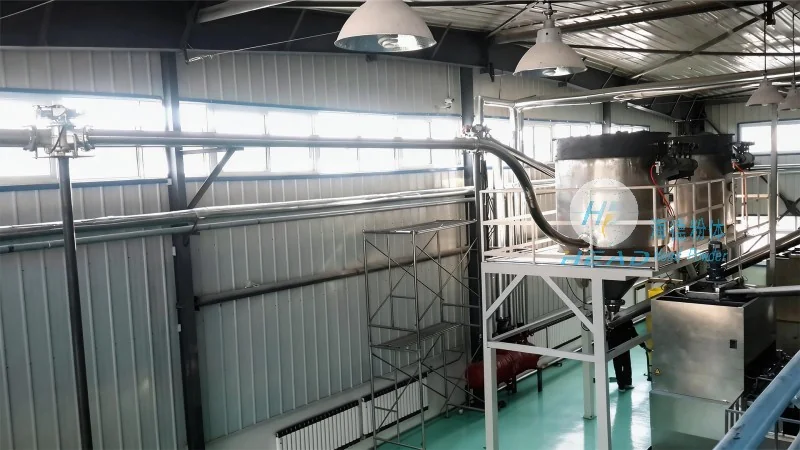
Key Components and Structural Design
The automatic quantitative ingredient feeding system is engineered with precision to ensure accurate material measurement and reliable transport. The core components include a hopper for material storage, a dosing mechanism that precisely controls the quantity of ingredients, and a pneumatic conveying pipeline that transports the materials to the processing unit. The hopper is typically equipped with a level sensor to monitor the material level, ensuring the dosing system operates efficiently without interruptions. The dosing mechanism, often a gravimetric or volumetric feeder, is calibrated to deliver the exact amount of ingredients required for each batch. The pneumatic conveying section utilizes compressed air to create a pressure differential, enabling the material to be moved through the pipeline with minimal loss and high efficiency.
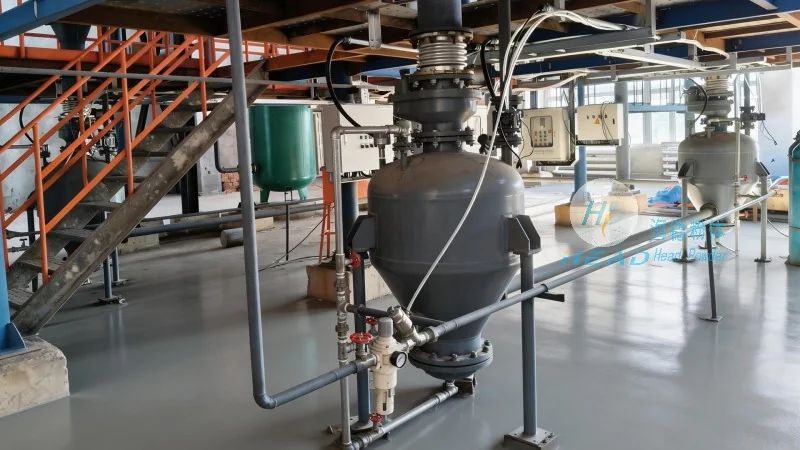
Working Principles of the Equipment
The operation of the automatic quantitative ingredient feeding and pneumatic conveying equipment follows a systematic process. Initially, the material is stored in the hopper. The level sensor continuously monitors the material level, triggering the dosing mechanism when the level reaches a preset threshold. The dosing mechanism then releases the precise quantity of ingredients into the conveying pipeline. Compressed air is then introduced into the pipeline, creating a flow that propels the material forward. The system is designed to maintain consistent air pressure and flow rates, ensuring stable material transport. The conveying process is controlled by a programmable logic controller (PLC), which coordinates the dosing and conveying operations to achieve seamless integration with downstream processing equipment.
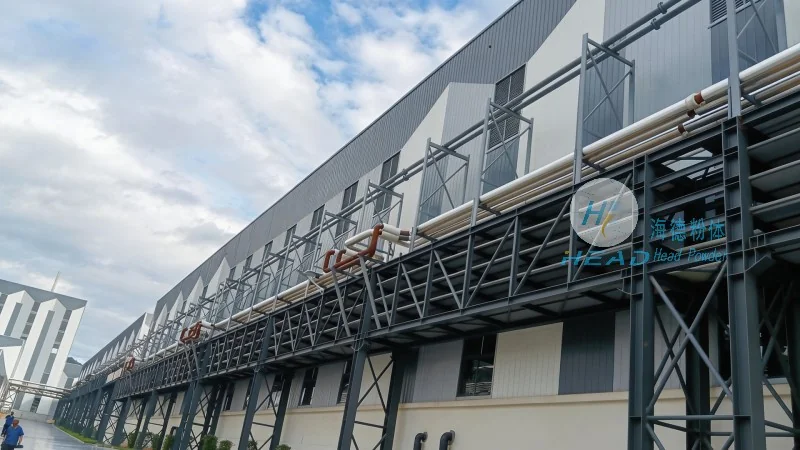
Advantages of the System
Implementing an automatic quantitative ingredient feeding system offers several benefits for industrial applications. Firstly, it enhances production efficiency by reducing manual intervention and minimizing material waste. The precise dosing capability ensures that each batch of ingredients is consistent, which is crucial for maintaining product quality and meeting regulatory standards. Secondly, the pneumatic conveying technology provides a hygienic and dust-free environment, which is particularly important in food and pharmaceutical industries. The system also reduces labor costs and improves workplace safety by eliminating the need for manual handling of bulk materials. Additionally, the modular design allows for easy maintenance and scalability, enabling the equipment to adapt to changing production demands.
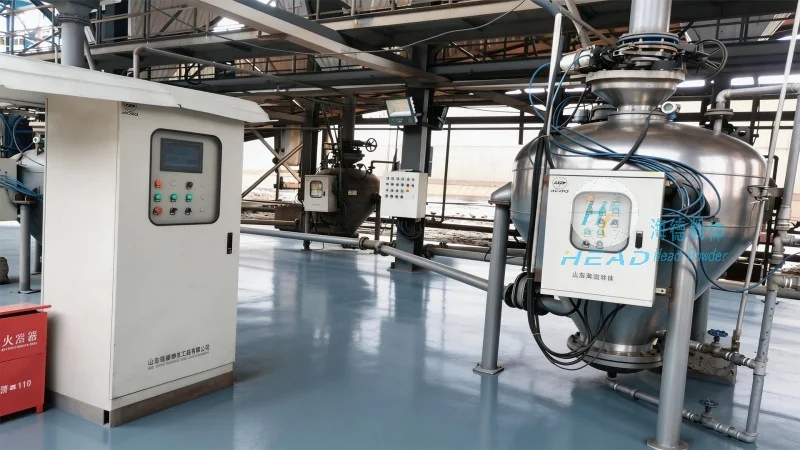
Application Scenarios
The automatic quantitative ingredient feeding and pneumatic conveying equipment is widely used in various industries, including food processing, pharmaceutical manufacturing, chemical production, and bulk material handling. In the food industry, it is commonly employed for conveying ingredients such as flour, sugar, and spices, ensuring accurate measurement for recipe consistency. In pharmaceutical manufacturing, the system is used to transport active pharmaceutical ingredients (APIs) and excipients with high precision, maintaining strict quality control. In chemical plants, it facilitates the transport of powders and granules, supporting processes like mixing, blending, and packaging. The versatility of the equipment makes it suitable for a range of applications where reliable and accurate material handling is essential.