

Introduction to Sintering Dust Gas Solid Transport Equipment: Structure and Working Principle Explan
For enterprises in the sintering industry, the efficient handling of dust and ash generated during production is crucial for maintaining operational efficiency and environmental compliance. The sintering dust gas solid transport equipment is a key solution designed to address these challenges by providing a reliable and effective method for transporting sintering dust and ash. This equipment plays a vital role in optimizing material flow, reducing manual handling risks, and ensuring the smooth operation of sintering production lines.
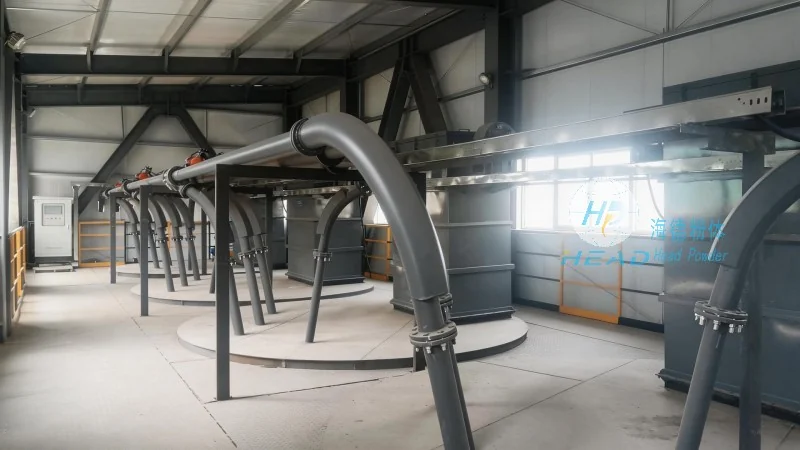
Key Components and Structural Design of the Equipment
The sintering dust gas solid transport equipment typically consists of several core components that work in concert to achieve efficient material transport. The primary components include a high-pressure blower or fan, which generates the necessary airflow to move the dust particles through the system. The blower is designed to handle the specific air volume and pressure requirements for sintering dust, ensuring stable and continuous operation. The transport pipeline network is another critical component, featuring flexible or rigid pipes that connect the dust generation points to the collection or processing units. These pipelines are often equipped with bends, valves, and other fittings to facilitate the routing of the dust flow and allow for system adjustments as needed.
Additionally, the equipment includes a dust separation system, such as cyclone separators or bag filters, which are essential for cleaning the air after it has passed through the transport pipeline. These separators work by using centrifugal force or filtration to remove the dust particles from the air stream, ensuring that the air is discharged safely and that the collected dust can be reused or disposed of properly. The control system, which may include sensors, controllers, and monitoring devices, is integrated into the equipment to regulate the airflow, pressure, and other operational parameters. This system helps maintain optimal performance and prevents issues such as blockages or excessive pressure buildup.
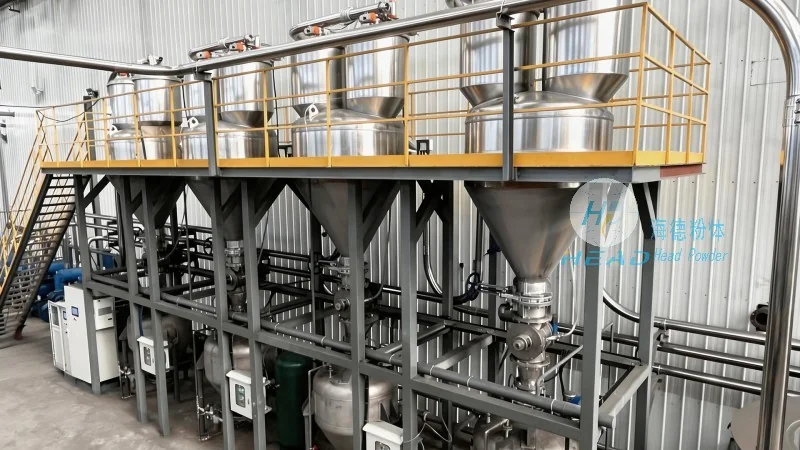
Working Principle of the Gas Solid Transport Process
The working principle of the sintering dust gas solid transport equipment is based on the fundamental concept of pneumatic conveying, where solid particles are suspended and transported by a moving gas stream. The process begins with the generation of dust or ash from the sintering process, which is then drawn into the transport pipeline by the blower. The high-pressure air from the blower creates a flow that lifts the dust particles and carries them through the pipeline network. As the dust travels, it may encounter changes in direction or pressure, which are managed by the pipeline fittings and separation devices.
During the transport, the dust particles are kept in suspension by the continuous airflow. The velocity of the air stream is carefully controlled to ensure that the particles do not settle out of the gas stream, which could lead to blockages or reduced transport efficiency. The separation system at the end of the pipeline captures the dust particles from the air stream, allowing the clean air to be released to the environment or recirculated if necessary. The collected dust is then either processed further for reuse in the sintering process or disposed of according to environmental regulations.
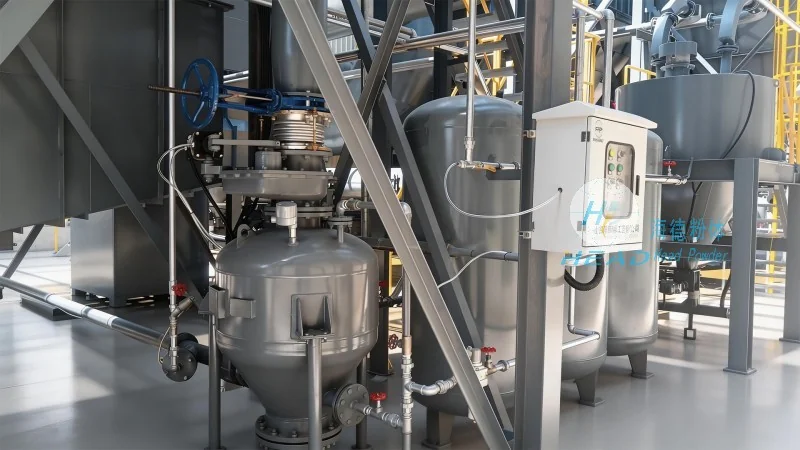
About Shandong HeadPowder Engineering Co., Ltd.
Shandong HeadPowder Engineering Co., Ltd., commonly known as headpowder, is a professional manufacturer and supplier of industrial equipment, including sintering dust gas solid transport systems. The company is headquartered in Shandong, China, and has established a strong reputation in the industry for its high-quality products and reliable service. With years of experience in the field, headpowder has developed advanced technologies and innovative solutions to meet the diverse needs of its clients. The company's commitment to quality and customer satisfaction has made it a trusted partner for many sintering plants and industrial facilities.
Conclusion
In summary, the sintering dust gas solid transport equipment is a sophisticated system that combines advanced engineering and design to efficiently handle sintering dust and ash. Its structural components, including the blower, pipeline network, and separation system, work together to ensure the reliable and safe transport of materials. The working principle of pneumatic conveying allows for the effective movement of dust particles, while the control system provides the necessary monitoring and adjustment capabilities. As a leading manufacturer, Shandong HeadPowder Engineering Co., Ltd. offers these advanced solutions to help industries optimize their operations and comply with environmental standards. By investing in such equipment, sintering plants can enhance their productivity, reduce operational costs, and improve overall environmental performance.