

Introduction to Cement Clinker Pneumatic Conveying Equipment: Structure and Working Principle
HeadPowder, a leading manufacturer based in Shandong, China, specializes in the design and production of advanced cement clinker pneumatic conveying equipment. This equipment is engineered to efficiently transport cement clinker, a critical component in cement production, from storage silos to processing units. The following overview provides a detailed look at the equipment's structure and operational principles, highlighting its key components and how they work together to ensure reliable and efficient material handling.
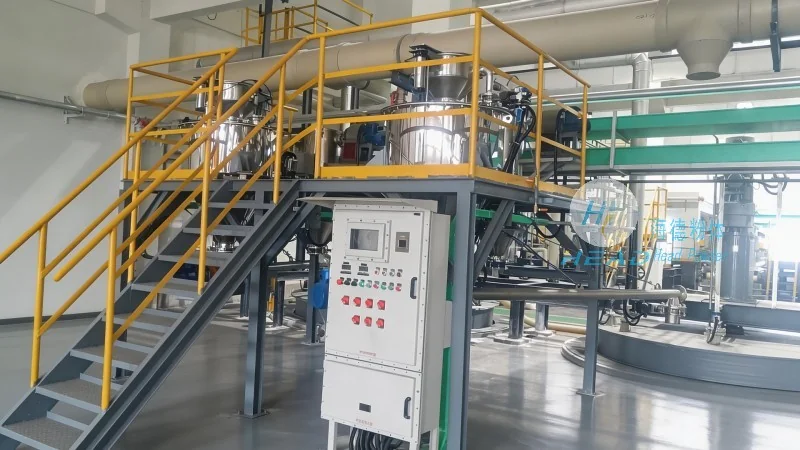
Overview of Cement Clinker Pneumatic Conveying Equipment
The cement clinker pneumatic conveying system is a sophisticated piece of industrial equipment designed to handle the bulk transport of cement clinker. It operates on the principle of pneumatic conveying, where material is moved through a pipeline using a stream of air or gas. This method offers several advantages over traditional mechanical conveying systems, including reduced maintenance, lower energy consumption, and the ability to handle materials that are difficult to transport by other means.
At the core of the system is a series of components that work in tandem to ensure smooth operation. These include a material feed hopper, a rotary valve or feeder, a conveying pipeline, a pressure vessel or receiver, and a control system. Each component plays a crucial role in the overall functionality of the equipment.
Key Structural Components and Their Functions
The cement clinker pneumatic conveying equipment consists of several key structural components, each designed to perform specific functions in the material handling process. The material feed hopper is responsible for storing and feeding the cement clinker into the system. It is typically equipped with a level indicator to monitor the material level and a discharge valve to control the flow rate. The rotary valve or feeder, often referred to as a star valve, is used to regulate the flow of material from the hopper into the conveying pipeline. This component ensures a consistent and controlled feed rate, preventing blockages and maintaining system efficiency.
The conveying pipeline is a crucial part of the system, as it transports the cement clinker from the feed point to the destination. The pipeline is usually made of high-quality steel or plastic, depending on the material being conveyed and the operating conditions. It is designed to withstand the pressure and temperature of the conveying process, ensuring durability and longevity. The pipeline may also include bends, elbows, and other fittings to guide the material along the desired path.
The pressure vessel or receiver is another critical component, used to collect the conveyed material at the end of the pipeline. It is typically a large, cylindrical tank that can hold a significant volume of material. The receiver is equipped with a discharge valve or outlet, which allows the material to be released into the next processing stage. Some systems may also include a dust collection system or a filter to remove any fine particles from the air before it is released back into the environment.
The control system is responsible for monitoring and controlling the operation of the entire pneumatic conveying system. It includes sensors, controllers, and actuators that regulate the flow of material, air pressure, and other parameters. The control system ensures that the equipment operates within safe and efficient parameters, preventing overloading, underloading, or other operational issues. It may also include safety features, such as pressure relief valves, to protect the system from damage due to excessive pressure.
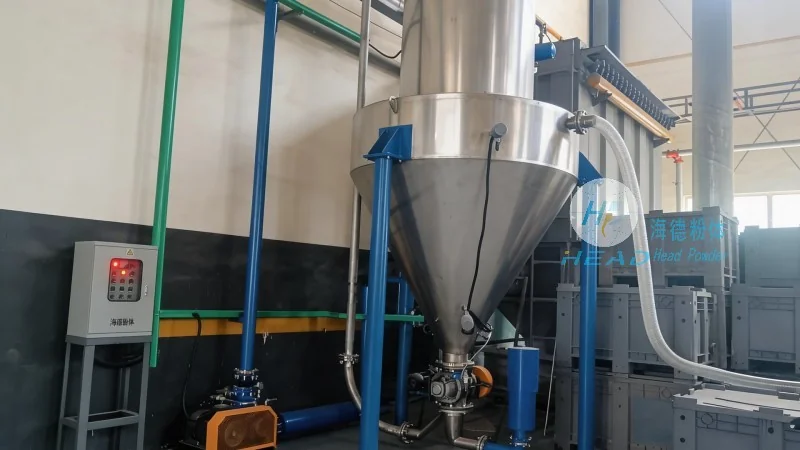
Working Principle of the Pneumatic Conveying Process
The working principle of the cement clinker pneumatic conveying equipment is based on the movement of material through a pipeline using a stream of air or gas. The process typically involves the following steps:
1. Material Feeding: The cement clinker is fed from the storage silo into the material feed hopper. The hopper is equipped with a level indicator to monitor the material level and a discharge valve to control the flow rate. The rotary valve or feeder then regulates the flow of material from the hopper into the conveying pipeline.
2. Conveying: The material is transported through the pipeline by a stream of air or gas. The air is typically introduced at a high velocity, creating a pressure differential that moves the material along the pipeline. The pipeline is designed to maintain a consistent pressure and velocity to ensure the material is conveyed efficiently and without blockages.
3. Collection: The material is collected in the pressure vessel or receiver at the end of the pipeline. The receiver is equipped with a discharge valve or outlet, which allows the material to be released into the next processing stage, such as a cement mill or storage silo.
4. Air Filtration and Recycling: The air used for conveying is filtered to remove any fine particles of cement clinker. The filtered air is then recycled back into the system, reducing energy consumption and minimizing environmental impact.
Throughout the process, the control system monitors the pressure, flow rate, and other parameters to ensure the system operates efficiently and safely. It adjusts the air flow and material feed rate as needed to maintain optimal performance.
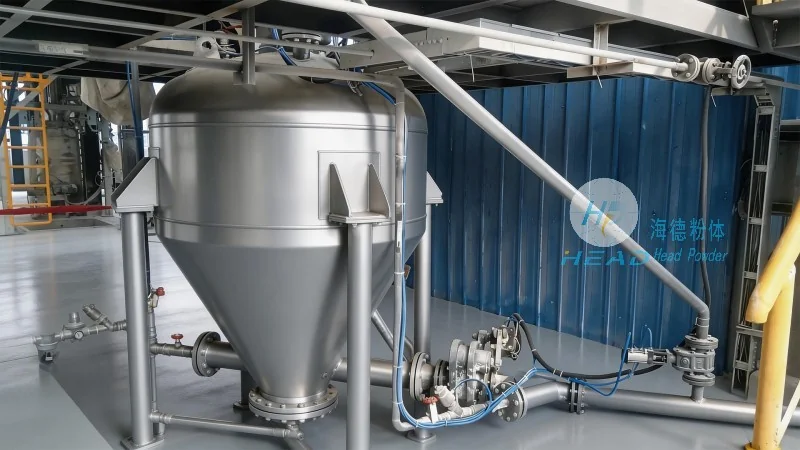
Advantages of Cement Clinker Pneumatic Conveying Equipment
The cement clinker pneumatic conveying equipment offers several advantages over traditional mechanical conveying systems. These include:
1. High Efficiency: The system can transport large volumes of material over long distances with minimal energy consumption. The pneumatic conveying process is highly efficient, as it uses the air stream to move the material, reducing the need for mechanical components.
2. Reduced Maintenance: The equipment has fewer moving parts compared to mechanical conveying systems, resulting in lower maintenance requirements and reduced downtime.
3. Flexibility: The system can be easily adapted to different production requirements, such as varying material flow rates or changing processing conditions. The control system allows for quick adjustments to the operation of the equipment.
4. Safety: The pneumatic conveying process is safer than mechanical conveying, as it eliminates the need for moving parts that could cause injury. The system is also equipped with safety features, such as pressure relief valves, to protect against overpressure.
5. Environmental Benefits: The system reduces the amount of dust and emissions released into the environment, as the air is filtered and recycled. This makes it an environmentally friendly option for material handling.
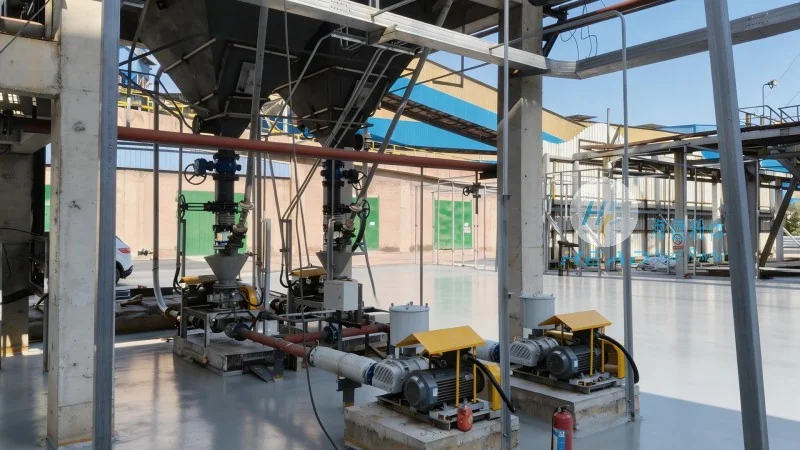
Applications and Industries
The cement clinker pneumatic conveying equipment is widely used in the cement industry, as well as in other industries that require the bulk transport of similar materials. Some common applications include:
1. Cement Production: The equipment is used to transport cement clinker from storage silos to cement mills or other processing units. This is a critical step in the cement production process, as it ensures a consistent supply of material for the next stage of production.
2. Mining and Minerals Processing: The system can be used to transport various minerals and ores, including coal, iron ore, and limestone. The pneumatic conveying process is particularly useful for handling materials that are difficult to transport by other means, such as fine powders or abrasive materials.
3. Food and Pharmaceutical Industries: The equipment can be used to transport food products, such as flour or sugar, or pharmaceutical powders. The system is designed to meet the strict hygiene and safety requirements of these industries.
4. Chemical Processing: The system can be used to transport various chemicals, including powders and granules. The pneumatic conveying process is ideal for handling chemicals that are hazardous or difficult to handle by other means.
Conclusion
Cement clinker pneumatic conveying equipment is a critical component in the cement industry and other industries that require the efficient transport of bulk materials. The equipment is designed to handle the challenges of material handling, including the transport of fine powders and abrasive materials. With its advanced design and operational principles, the equipment offers several advantages over traditional mechanical conveying systems, including high efficiency, reduced maintenance, and environmental benefits. As a leading manufacturer based in Shandong, China, HeadPowder provides high-quality cement clinker pneumatic conveying equipment that meets the needs of various industries. The company's commitment to quality and innovation ensures that its products are reliable and efficient, helping customers improve their production processes and reduce costs.