

Introduction to Flaky Graphite Pneumatic Conveying Equipment: Structure and Working Principles
Flaky graphite, known for its excellent lubricity, electrical conductivity, and thermal stability, is widely used in various industrial applications such as refractory materials, battery anodes, and conductive coatings. The efficient and safe transportation of flaky graphite is crucial for industrial production processes. Pneumatic conveying equipment has emerged as a reliable solution for handling this material, offering advantages like low maintenance, no mechanical contact, and the ability to transport materials over long distances. This article provides an overview of flaky graphite pneumatic conveying equipment, focusing on its structural design and operational principles.
Key Components and Structural Design of Pneumatic Conveying Systems
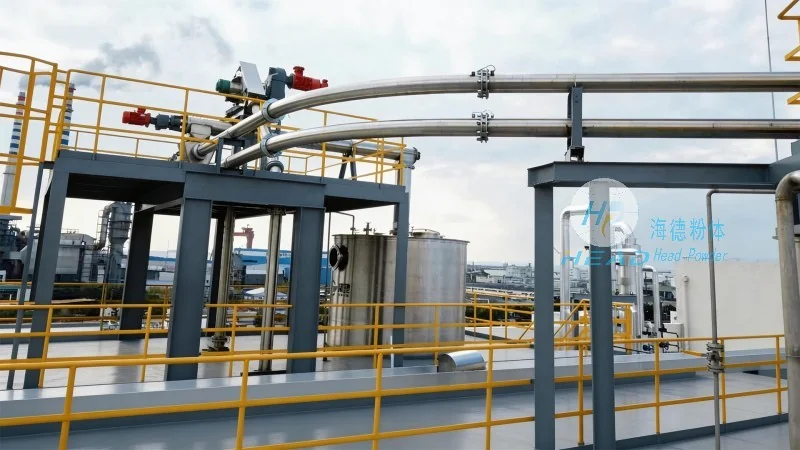
The pneumatic conveying system for flaky graphite typically consists of several key components that work in tandem to ensure effective material transport. The primary components include the material hopper, feeding device, air compressor, conveying pipeline, and receiving hopper. Each component plays a critical role in the overall system performance.
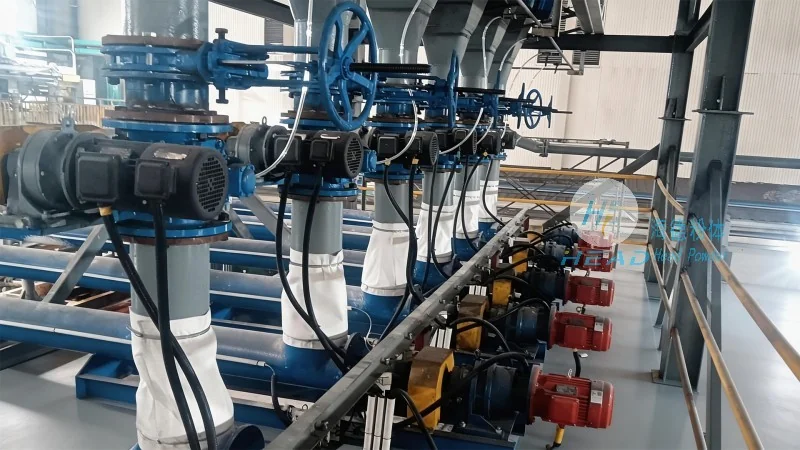
The material hopper is designed to store the flaky graphite and maintain a consistent material level. It is equipped with a feeding device, such as a rotary valve or a screw feeder, which controls the flow rate of the material into the conveying pipeline. The feeding device ensures that the material is introduced into the system at a controlled rate, preventing blockages and maintaining stable operation.
The air compressor is the heart of the pneumatic conveying system, responsible for generating the necessary air pressure to move the material. High-pressure air is introduced into the conveying pipeline, creating a flow that carries the flaky graphite particles through the system. The choice of air compressor depends on the material characteristics, conveying distance, and required flow rate. For flaky graphite, which is light and has good aerodynamic properties, a positive displacement compressor or a centrifugal compressor can be used, depending on the specific application requirements.
The conveying pipeline is a crucial part of the system, as it transports the material from the feeding point to the receiving point. The pipeline is typically made of stainless steel or other corrosion-resistant materials to handle the abrasive nature of flaky graphite. The design of the pipeline, including the diameter and length, affects the pressure drop and the overall efficiency of the system. Proper pipeline sizing and layout are essential to minimize energy consumption and ensure smooth material transport.
The receiving hopper is where the flaky graphite is collected after being conveyed through the system. It is designed to handle the material and provide a controlled discharge. The receiving hopper may include a discharge valve or a rotary valve to regulate the outflow of the material, ensuring that it is stored or processed efficiently.
Working Principles of Pneumatic Conveying for Flaky Graphite
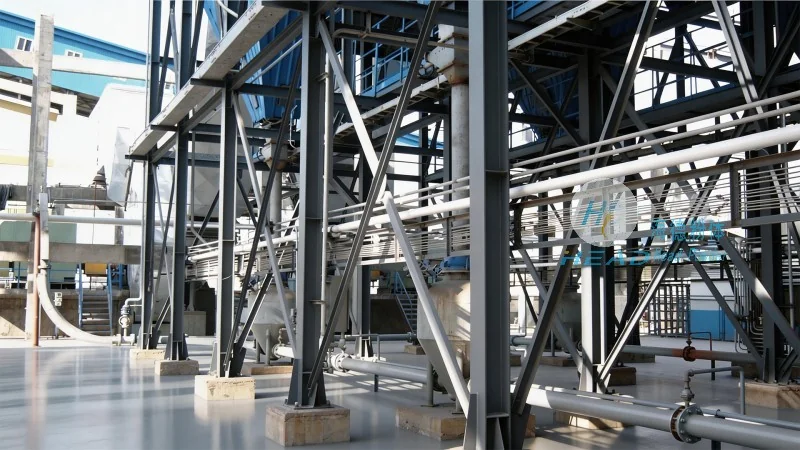
The operation of a pneumatic conveying system for flaky graphite involves several steps, starting with the material loading into the hopper. The feeding device then introduces the material into the conveying pipeline at a controlled rate. Simultaneously, the air compressor supplies high-pressure air into the pipeline, creating a flow that entrains the flaky graphite particles.
As the air flows through the pipeline, it carries the flaky graphite particles along with it. The particles are suspended in the air stream due to the drag force exerted by the air. The conveying process continues until the material reaches the receiving hopper, where the air is separated from the material, and the flaky graphite is collected.
One of the key advantages of pneumatic conveying is that it can handle fine and light materials like flaky graphite without the need for mechanical contact. This reduces the risk of material degradation and contamination. The system also allows for the transportation of materials over long distances, making it suitable for industrial plants with multiple processing units.
The efficiency of the pneumatic conveying system depends on several factors, including the air pressure, flow rate, and pipeline design. Proper system design and maintenance are essential to ensure optimal performance. Regular inspection of the components, such as the air compressor and pipeline, helps to identify and address any issues that may affect the conveying process.
Applications and Benefits of Flaky Graphite Pneumatic Conveying Equipment
Flaky graphite pneumatic conveying equipment is widely used in various industries due to its versatility and efficiency. In the refractory industry, it is used to transport flaky graphite for the production of high-quality refractory materials. The material is conveyed to the mixing and processing units, where it is combined with other raw materials to create refractory products with excellent thermal stability and resistance to high temperatures.
In the battery industry, flaky graphite is used as an anode material in lithium-ion batteries. The pneumatic conveying system ensures that the graphite is transported safely and efficiently from the storage area to the battery manufacturing plant. This reduces the risk of dust exposure and improves the overall production efficiency.
Additionally, the equipment is used in the production of conductive coatings and lubricants. The ability to transport flaky graphite in a dust-free environment is crucial for maintaining the quality of these products. The pneumatic conveying system provides a clean and controlled environment, minimizing the risk of contamination and ensuring consistent product quality.
Overall, flaky graphite pneumatic conveying equipment offers several benefits, including low maintenance costs, minimal material degradation, and the ability to handle materials over long distances. The system is also environmentally friendly, as it reduces the need for manual handling and minimizes dust emissions. These advantages make it a preferred choice for industrial applications involving flaky graphite.
Conclusion and Company Information
Flaky graphite pneumatic conveying equipment is a critical component in the industrial processing of flaky graphite. Its structural design and operational principles are tailored to handle the unique properties of flaky graphite, ensuring efficient and safe material transport. The system's components, including the material hopper, feeding device, air compressor, conveying pipeline, and receiving hopper, work together to achieve optimal performance.
Shandong HeadPowder Engineering Co., Ltd., a leading manufacturer of pneumatic conveying equipment, specializes in providing customized solutions for the transportation of flaky graphite and other fine materials. With years of experience in the industry, the company has developed advanced systems that meet the specific needs of various applications. The company's headquarters is located in Shandong, China, and it serves clients worldwide with high-quality equipment and reliable support.