

Inert Gas Circulation Pneumatic Conveying System: Equipment Overview and Structural Principle Introd
This article offers a comprehensive overview of the inert gas circulation pneumatic conveying system equipment, delving into its structural design and operational principles. The system is engineered to efficiently transport bulk materials using inert gases, ensuring safety and reliability in diverse industrial applications. Developed by Shandong HeadPowder Engineering Co., Ltd., this technology represents a sophisticated solution for material handling in sectors such as chemical, pharmaceutical, and food processing, where maintaining material integrity and preventing contamination is paramount.
Core Components and Structural Design
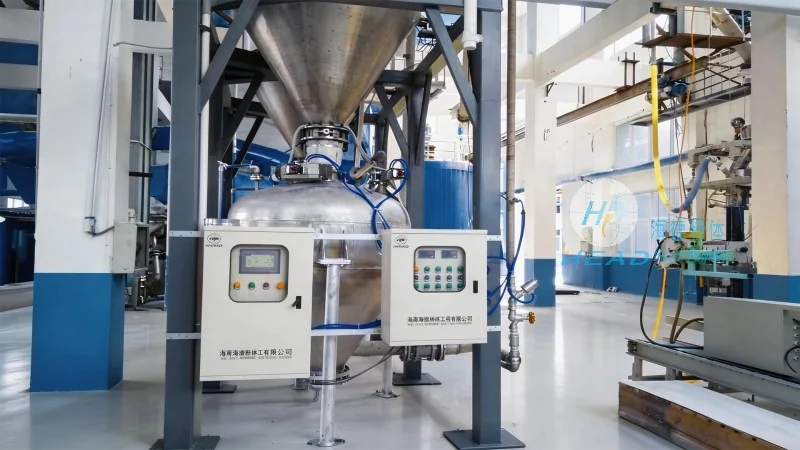
The inert gas circulation pneumatic conveying system comprises several critical components, each meticulously designed to ensure optimal performance. The primary components include the material feed hopper, the conveying pipeline network, the inert gas supply system, and the control unit. The material feed hopper is engineered to store and feed bulk materials into the system, with features like a discharge valve and level indicator to monitor material levels. The conveying pipeline network consists of stainless steel or other corrosion-resistant materials, ensuring durability and resistance to the inert gas environment. The inert gas supply system includes a compressor, gas dryer, and filter, which provide clean, dry inert gas to the system. The control unit, equipped with advanced sensors and software, manages the entire process, allowing for real-time monitoring and adjustment of parameters such as gas flow rate and material feed rate.
Working Principle of the System
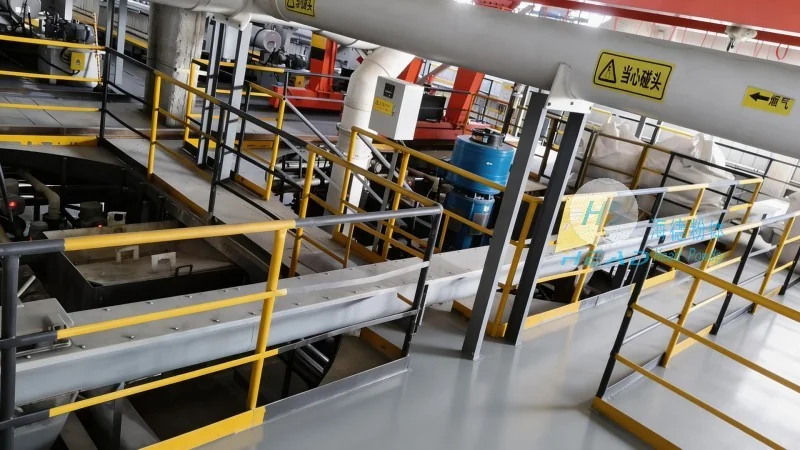
The operation of the inert gas circulation pneumatic conveying system is based on the fundamental principle of pneumatic conveying, where inert gases create a low-pressure environment that draws the material through the pipeline. The process begins with the material being fed into the hopper, where it is then drawn into the conveying pipeline by the inert gas flow. The gas flow is controlled to maintain a consistent pressure gradient, ensuring the material is transported smoothly and without blockages. The inert gas used is typically nitrogen or other inert gases, which effectively prevent oxidation and contamination of the material, making it suitable for sensitive applications such as pharmaceuticals and food products. The system operates continuously, with the control unit adjusting the gas flow and material feed rate to maintain a stable conveying process.
Advantages and Applications
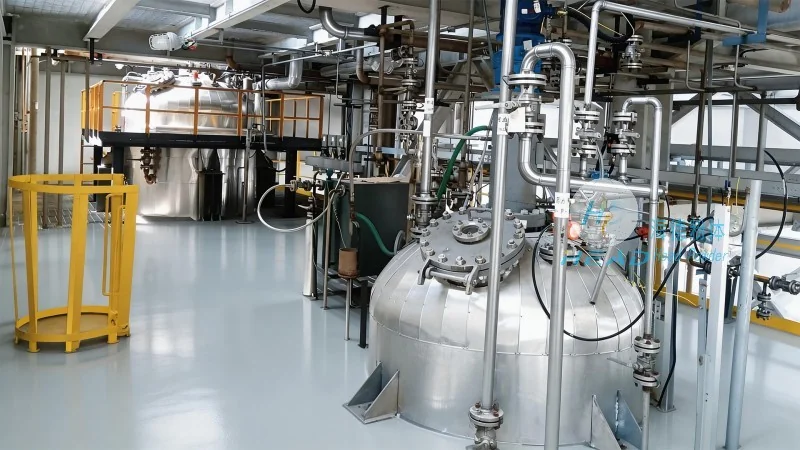
One of the key advantages of the inert gas circulation pneumatic conveying system is its ability to handle a wide variety of materials, including powders, granules, and bulk solids. The system is particularly advantageous for materials that are sensitive to moisture, oxygen, or other environmental factors, as the inert gas environment provides a protective barrier. Additionally, the system offers high efficiency in material transport, with low energy consumption and minimal maintenance requirements compared to traditional mechanical conveying systems. The system is widely utilized in industries such as chemical manufacturing, where it is used to transport reactive powders; pharmaceutical production, where it ensures the purity of active ingredients; and food processing, where it maintains the quality of food products. The system's ability to handle materials in a closed loop also reduces dust emissions and improves workplace safety.
Technical Specifications and Customization Options
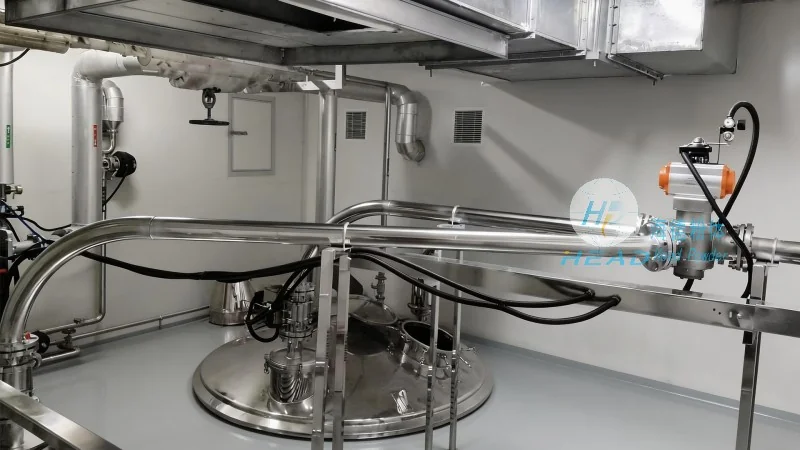
Shandong HeadPowder Engineering Co., Ltd. provides customizable inert gas circulation pneumatic conveying systems to meet the specific requirements of different industries. The system can be tailored to handle various material types, conveying distances, and throughput rates. Technical specifications include the maximum conveying distance, which can range from short distances within a facility to long-distance transport over several kilometers; the material flow rate, which can be adjusted based on the application's needs; and the gas consumption rate, which is optimized to minimize operational costs. The company offers a range of customization options, including different hopper sizes, pipeline configurations, and control system interfaces. Technical documentation and support are provided to ensure the system is installed and operated correctly, with regular maintenance services available to extend the system's lifespan and maintain peak performance.