HeadPowder, a leading engineering company based in Shandong, China, specializes in the design and manufacturing of advanced pneumatic conveying systems tailored for agricultural applications. This article provides an overview of the equipment used in silage material handling, focusing on the structural design and operational principles that enable efficient and reliable transport of forage materials.
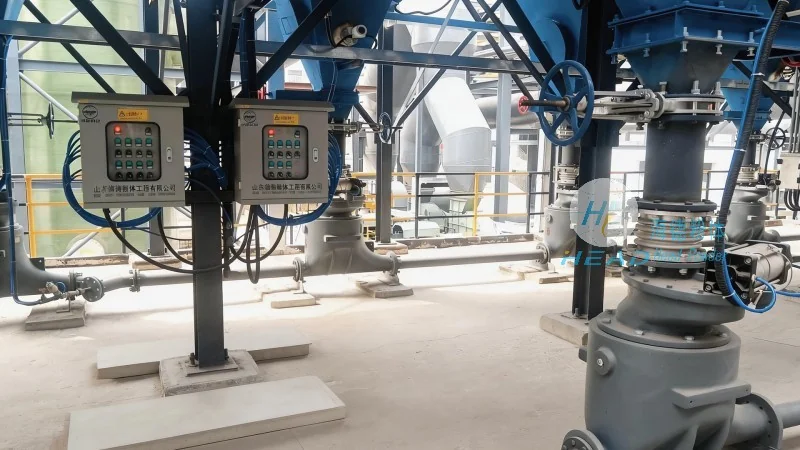
At the core of modern agricultural operations, silage material pneumatic conveying systems play a crucial role in the efficient movement of forage from storage to processing facilities. These systems utilize air pressure to transport silage, reducing the need for mechanical components and minimizing the risk of contamination. The equipment typically includes a hopper for material storage, a conveyor line, and a control system to regulate the flow of both material and air. By integrating these components, the system ensures a continuous and controlled transport process, which is essential for maintaining the quality of silage during handling.
The structural design of a silage material pneumatic conveying system is engineered to handle the unique characteristics of forage materials, such as moisture content and particle size. The hopper is designed with a wide opening and a sloped interior to facilitate the smooth discharge of silage, preventing blockages and ensuring consistent material flow. The conveyor line, often constructed from corrosion-resistant materials like stainless steel, is equipped with a series of ducts and bends that are carefully calculated to maintain optimal air velocity. This design minimizes the risk of material settling and ensures that the conveying process remains efficient even with varying material conditions. Additionally, the system incorporates a filter and cyclone separator to remove dust and particles from the air, maintaining a clean and safe working environment.
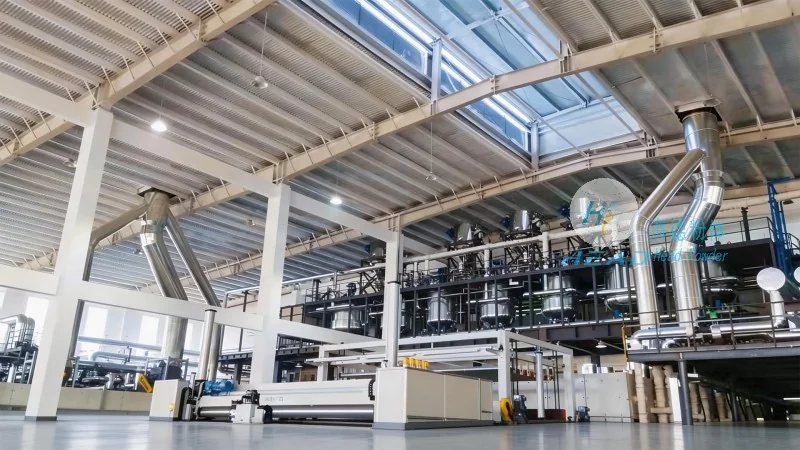
The operational principle of a pneumatic conveying system involves the creation of a pressure differential between the inlet and outlet of the conveyor line. By introducing compressed air into the hopper, the material is lifted and transported through the ducts. The air velocity is carefully controlled to ensure that the material is carried without causing excessive wear on the system components. This method of transport is particularly effective for silage, as it minimizes the risk of spoilage and maintains the nutritional value of the forage. The control system, which monitors air pressure, material flow, and system performance, allows for real-time adjustments to optimize efficiency and prevent system failures. Through this integrated approach, the system achieves high throughput rates while maintaining low energy consumption and operational costs.
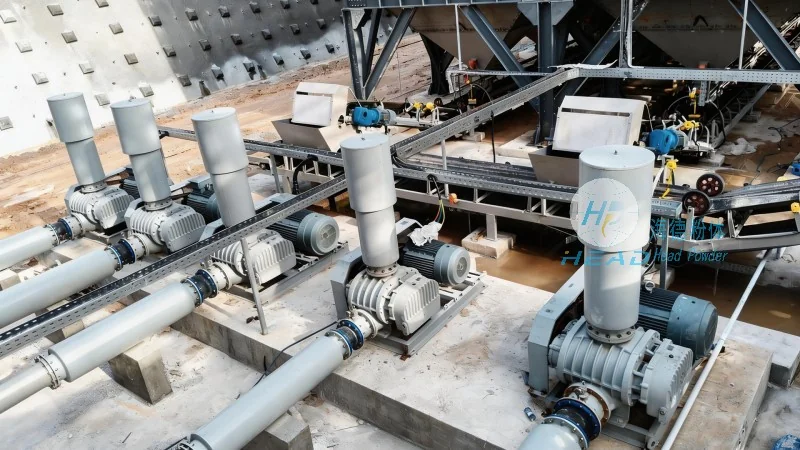
Silage material pneumatic conveying systems are widely used in dairy and livestock farms, as well as in large-scale agricultural operations. The primary benefits of these systems include improved labor efficiency, reduced material handling time, and enhanced product quality. By automating the transport process, farms can streamline their operations and focus on other critical tasks. The systems also contribute to better hygiene and safety in the workplace, as they eliminate the need for manual handling of silage, which can be heavy and difficult to manage. Furthermore, the use of advanced materials and design in these systems ensures long-term durability and minimal maintenance requirements, providing a cost-effective solution for agricultural businesses.
HeadPowder Engineering Co., Ltd., with its headquarters in Shandong, China, is a trusted provider of pneumatic conveying solutions for silage material handling. The company's expertise lies in the integration of innovative design and robust engineering to deliver systems that meet the specific needs of agricultural operations. By focusing on structural integrity, operational efficiency, and user-friendly controls, HeadPowder ensures that its equipment not only performs reliably but also contributes to the overall productivity and sustainability of agricultural enterprises. For businesses seeking to enhance their silage handling processes, HeadPowder offers tailored solutions that combine advanced technology with practical application, supporting the efficient management of forage materials in modern farming.

 Shandong Headpowder Engineering Co., Ltd.
 156-6277-7102(Manager Zhang)
  0531-83386006
  Jinan City, Shandong Province, China
telephone
WeChatconsult
top