HeadPowder, a leading manufacturer based in Shandong, China, specializes in the design, production, and supply of advanced cast sand pneumatic conveying systems. These systems are engineered to efficiently handle the transportation of cast sand, a critical material in the foundry industry, ensuring optimal performance and reliability in various industrial applications.
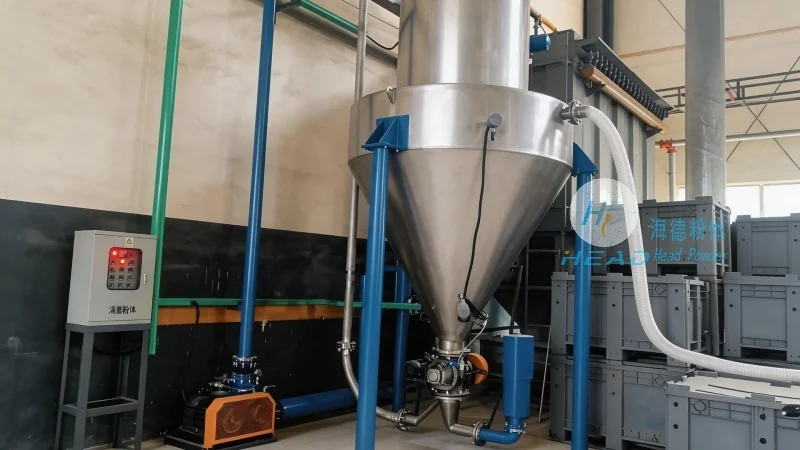
The cast sand pneumatic conveying equipment offered by HeadPowder is a comprehensive solution tailored to meet the specific needs of foundries and casting operations. This equipment is designed to facilitate the seamless transfer of cast sand from storage silos or processing units to the casting machines or other processing stations. The system integrates high-efficiency components that ensure minimal material loss, reduced downtime, and enhanced operational safety.
The core of the cast sand pneumatic conveying system lies in its pneumatic conveying technology, which utilizes compressed air to transport the sand particles through a network of pipes and ducts. The system typically consists of several key components, including a dust collector, a blower or air compressor, a hopper or feeder, and a series of pipelines. The blower generates the necessary air pressure to move the sand, while the feeder controls the flow rate of the material. The dust collector ensures that the air leaving the system is clean, preventing dust contamination in the surrounding environment.
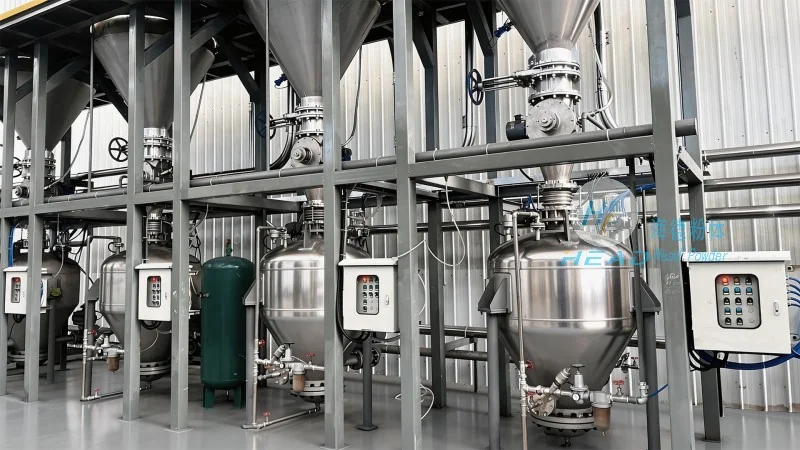
Each component of the cast sand pneumatic conveying system plays a crucial role in ensuring its efficient operation. The blower or air compressor is responsible for providing the motive force, generating the air pressure required to transport the sand. The feeder, often a rotary valve or a screw feeder, regulates the amount of sand released into the system, maintaining a consistent flow rate. The pipelines, made from durable materials such as stainless steel or high-density polyethylene, are designed to withstand the abrasive nature of cast sand and the pressure of the conveying air. The dust collector, equipped with filters or cyclones, captures any sand particles that may escape during the conveying process, ensuring clean air discharge and compliance with environmental regulations.
Implementing a cast sand pneumatic conveying system offers numerous advantages for foundries. Firstly, it significantly reduces labor costs by automating the material handling process, eliminating the need for manual shoveling or bucketing. Secondly, it minimizes material loss and contamination, as the system is enclosed and sealed, preventing dust and sand from escaping into the workplace. Thirdly, the system enhances production efficiency by reducing downtime and improving the overall throughput of the casting process. Additionally, the compact design of the equipment allows for easy integration into existing foundry layouts, making it a versatile solution for various production scales.
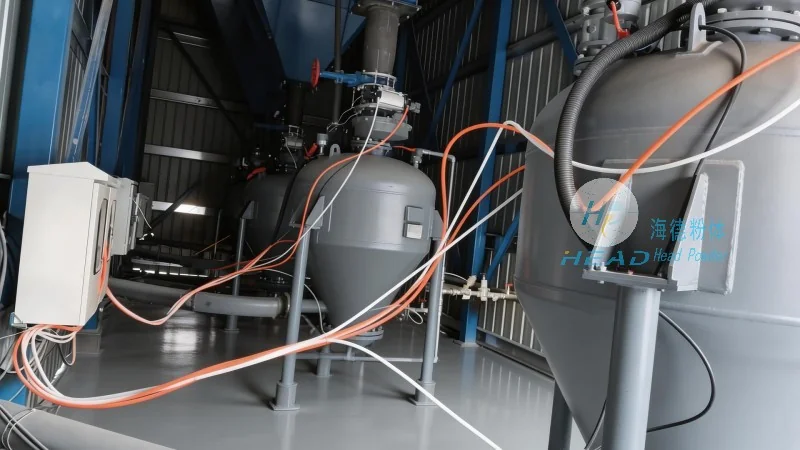
HeadPowder's cast sand pneumatic conveying systems are suitable for a wide range of applications in the foundry industry. They are commonly used in the transportation of green sand, dry sand, or other types of casting materials from storage to the molding or casting stations. The systems can be customized to accommodate different sand types, particle sizes, and production capacities. For instance, the system can be adjusted to handle high-volume production lines or small-scale batch operations. The company also offers flexible configurations, including horizontal, vertical, or combined conveying systems, to suit the specific layout and operational requirements of each foundry.
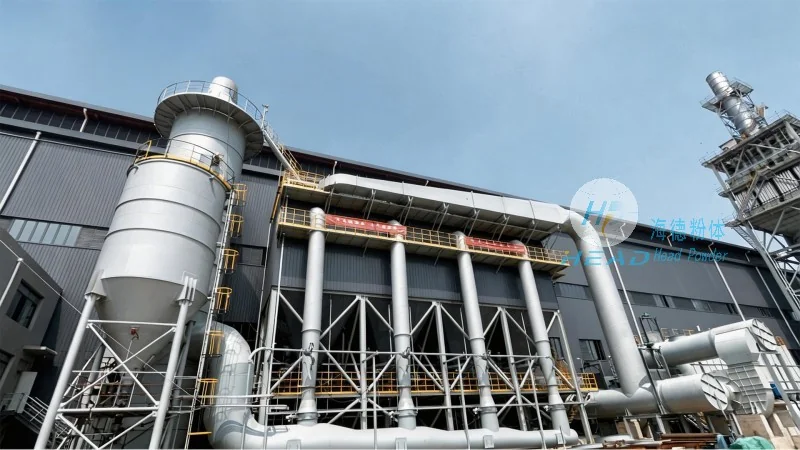
HeadPowder adheres to stringent quality control measures throughout the manufacturing process of its cast sand pneumatic conveying equipment. Each component is rigorously tested to ensure durability and performance under harsh industrial conditions. The company provides comprehensive after-sales services, including installation support, maintenance guidance, and spare parts supply. This ensures that the systems operate at peak efficiency and that any issues are promptly addressed, minimizing the impact on production schedules.
In conclusion, the cast sand pneumatic conveying systems developed by Shandong HeadPowder Engineering Co., Ltd. represent a sophisticated and reliable solution for the efficient handling of cast sand in foundries. By integrating advanced pneumatic conveying technology with robust engineering design, these systems enhance productivity, improve safety, and reduce operational costs. As a trusted manufacturer based in Shandong, China, HeadPowder continues to innovate and provide tailored solutions to meet the evolving needs of the foundry industry.

 Shandong Headpowder Engineering Co., Ltd.
 156-6277-7102(Manager Zhang)
  0531-83386006
  Jinan City, Shandong Province, China
telephone
WeChatconsult
top