

What is a Tri-metal Material Pneumatic Conveying Equipment? And What Are Its Design Principles?
Tri-metal material pneumatic conveying equipment is a specialized industrial device designed to transport tri-metal materials, such as those containing lithium, cobalt, and nickel, through a pneumatic system. This equipment plays a crucial role in the processing and handling of high-value tri-metal powders, which are essential components in the production of lithium-ion batteries and other advanced materials. The equipment's primary function is to move these fine powders from one location to another efficiently and reliably, while maintaining product integrity and minimizing material loss.
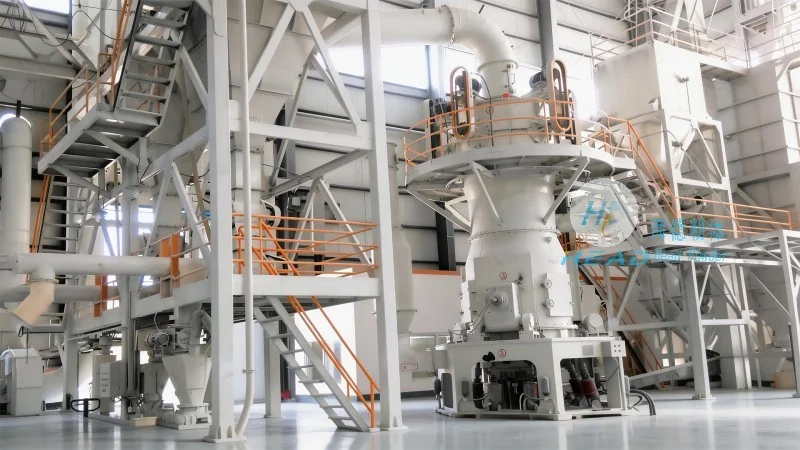
Understanding the Core Function of Tri-metal Material Pneumatic Conveying Equipment
At its core, tri-metal material pneumatic conveying equipment utilizes air or other gas streams to transport solid materials. Unlike traditional mechanical conveyors, which rely on physical contact and friction, pneumatic systems use pressure differentials to move materials through pipelines. This method is particularly advantageous for handling tri-metal powders, which are often sensitive to contamination and degradation from mechanical abrasion. The equipment typically consists of a hopper for material storage, a feeder to control the flow rate, a conveying line, and a receiver to deposit the material at the destination. Each component is engineered to work in harmony to ensure smooth and consistent material transport.
Key Design Principles of Tri-metal Material Pneumatic Conveying Equipment
The design of tri-metal material pneumatic conveying equipment is guided by several critical principles to optimize performance and ensure safety. First, the system must maintain a high level of material purity. This is achieved through the use of stainless steel or other corrosion-resistant materials for the conveying line and components, which prevents contamination from metal particles or chemical reactions. Second, the equipment is designed to minimize pressure drops and energy consumption. Efficient design includes optimized pipe diameters, proper air velocity control, and the use of energy recovery systems, such as cyclone separators or rotary valves, to reduce operational costs. Third, the system must be capable of handling varying material properties. Tri-metal powders can have different particle sizes, densities, and flow characteristics, so the equipment is designed with adjustable parameters, such as air pressure and flow rate, to accommodate these variations. Additionally, the design incorporates safety features, including pressure relief valves and dust collection systems, to prevent accidents and comply with industrial safety regulations.
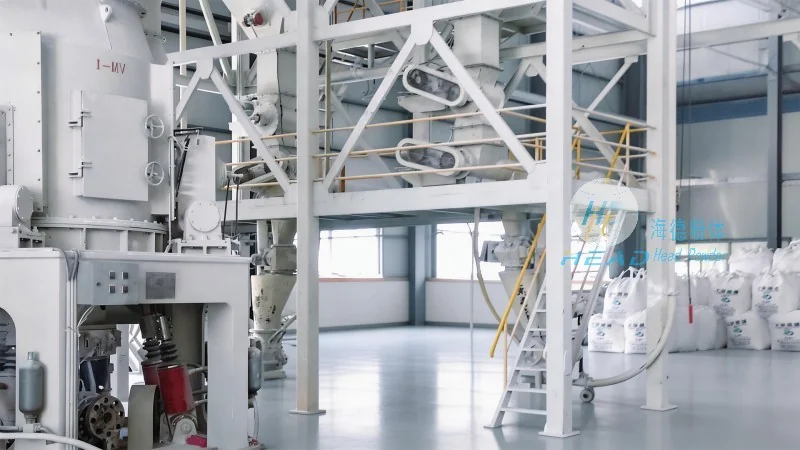
Components and Their Roles in the Equipment
The tri-metal material pneumatic conveying equipment comprises several key components, each with a specific function. The hopper is the initial storage unit, where raw tri-metal powders are loaded. It is designed with a sloped bottom to facilitate material flow and prevent caking or bridging, which can disrupt the conveying process. The feeder, often a rotary valve or a star feeder, controls the rate at which material is released into the conveying line. This component is critical for maintaining a consistent flow rate, as fluctuations can lead to uneven material transport or pressure buildup. The conveying line is the main pathway for the material, typically made of stainless steel or plastic, depending on the material's compatibility. The line is equipped with bends and elbows that are designed to minimize pressure loss and maintain the material's velocity. The receiver, or discharge hopper, is where the material is deposited at the destination. It is often equipped with a dust collection system to capture any fine particles that may escape during the conveying process, ensuring environmental compliance and product quality.
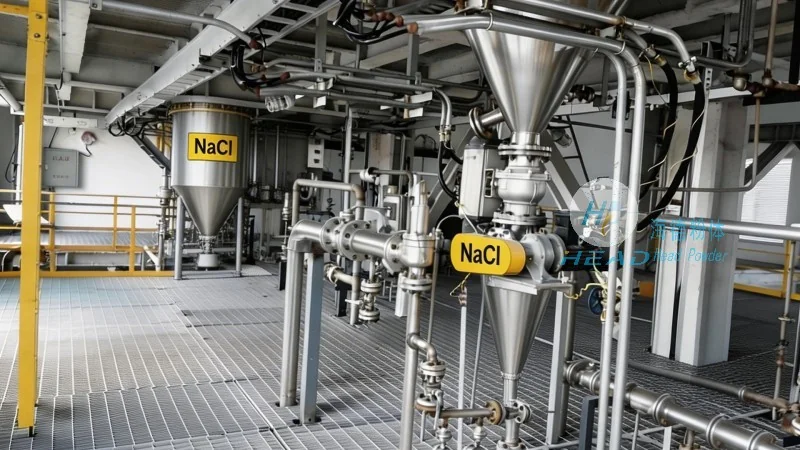
Applications and Benefits of Tri-metal Material Pneumatic Conveying Equipment
Tri-metal material pneumatic conveying equipment is widely used in the battery manufacturing industry, where tri-metal powders are essential for producing high-performance lithium-ion batteries. The equipment's ability to handle fine powders with minimal contamination makes it ideal for applications such as material transfer between mixing and coating processes, or from storage to production lines. The benefits of using this equipment include improved efficiency, reduced labor costs, and enhanced product quality. By eliminating the need for manual handling, the equipment minimizes the risk of human error and exposure to hazardous materials. Additionally, the automated system ensures consistent material flow, which is crucial for maintaining the quality and consistency of the final product. The equipment also contributes to better workplace safety by reducing the need for workers to handle powders directly, thereby minimizing the risk of respiratory issues or other health hazards.
Company Information: Shandong HeadPowder Engineering Co., Ltd.
Shandong HeadPowder Engineering Co., Ltd., a leading manufacturer of tri-metal material pneumatic conveying equipment, is dedicated to providing high-quality solutions for the processing and handling of tri-metal powders. With years of experience in the industry, the company has developed advanced technologies and designs that meet the stringent requirements of modern battery manufacturing. The company's equipment is engineered to be durable, efficient, and reliable, ensuring long-term performance and minimal maintenance. HeadPowder's commitment to quality and customer satisfaction has made it a trusted partner for many companies in the battery and advanced materials sectors. The company's facilities are located in Shandong, China, where it leverages local resources and expertise to deliver innovative solutions to its global clients.