HeadPowder, a leading manufacturer based in Shandong, China, specializes in the design and production of pneumatic conveying systems tailored for calcium carbonate applications. This article provides an overview of the equipment involved and the underlying structural principles that enable efficient material handling in industrial settings.
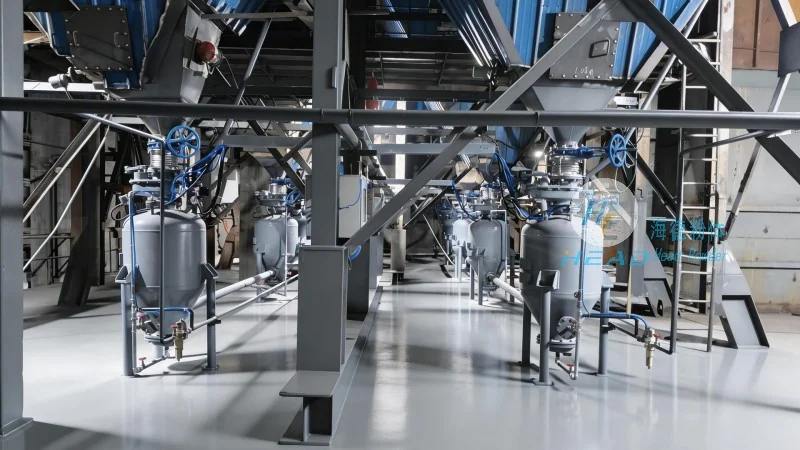
The pneumatic conveying system for calcium carbonate is a critical component in many industrial processes, facilitating the transport of fine powders from one location to another without the need for mechanical components like belts or screws. The system operates by using compressed air to create a flow that propels the material through a pipeline network. This method is particularly advantageous for calcium carbonate, which is often used in applications such as papermaking, plastics, and coatings, where maintaining the integrity of the powder is essential.
Several key components make up a typical calcium carbonate pneumatic conveying system. The primary equipment includes a hopper for material storage, a feeder to control the flow rate, a blower or compressor to generate the necessary air pressure, and a pipeline system that transports the material. Each component plays a vital role in ensuring the system operates efficiently and reliably.
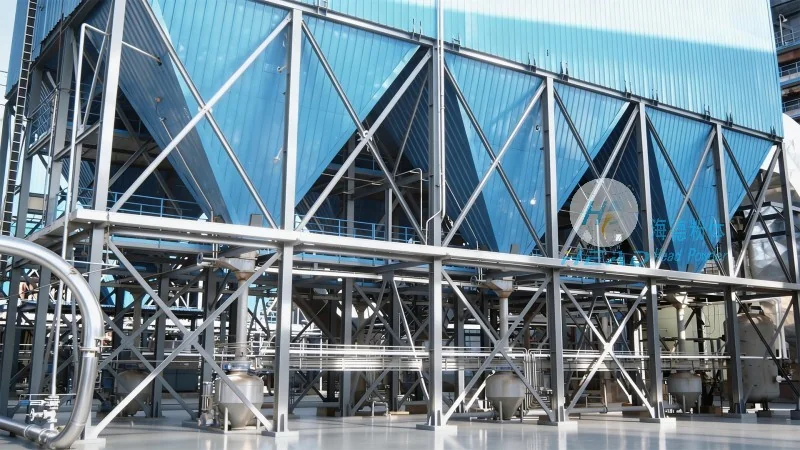
The hopper is designed to hold a large volume of calcium carbonate, providing a consistent feed to the feeder. The feeder, often a rotary valve or a screw feeder, regulates the amount of material entering the pipeline, preventing overloading and ensuring a steady flow. The blower or compressor supplies the compressed air, which is critical for creating the pressure differential needed to move the powder. The pipeline system, typically made of stainless steel or other corrosion-resistant materials, is engineered to withstand the abrasive nature of calcium carbonate and maintain the system's integrity over time.
The structural principles of the pneumatic conveying system are based on fluid dynamics and the behavior of particulate matter in a gas stream. When compressed air is introduced into the pipeline, it creates a low-pressure zone that draws the calcium carbonate particles into the flow. The particles are suspended in the air stream and transported through the system. The velocity of the air and the size of the particles determine the system's capacity and efficiency. Proper design ensures that the air velocity is sufficient to keep the particles suspended without causing excessive wear on the equipment.
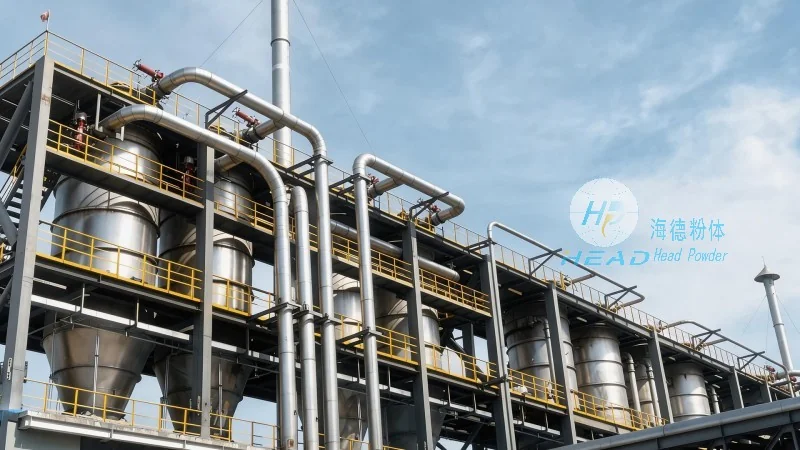
The system's design also considers the need to minimize particle degradation and maintain the powder's quality. This is achieved through the use of smooth pipelines, appropriate air velocities, and the avoidance of high-impact areas where particles could be broken down. The structural integrity of the components is also crucial, as calcium carbonate can be abrasive and may cause wear on metal surfaces over time. Therefore, materials like stainless steel are commonly used to extend the system's lifespan and maintain performance.
Compared to traditional mechanical conveying methods, pneumatic systems offer several advantages for calcium carbonate handling. One of the most significant benefits is the ability to transport materials over long distances without the need for multiple transfer points or additional equipment. This reduces installation costs and simplifies the overall system. Additionally, pneumatic conveying is less prone to material buildup and blockages, as the air flow continuously moves the particles through the pipeline.
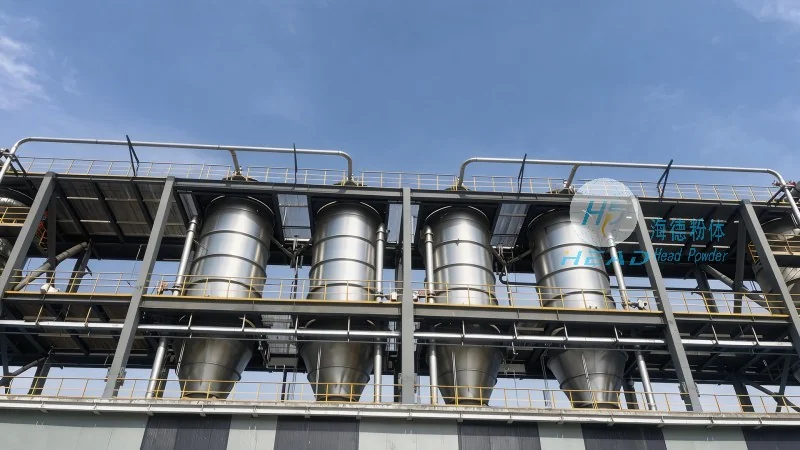
The system also provides better control over the material's flow rate and can be easily integrated with other processes, such as mixing or drying. This flexibility makes it suitable for a wide range of applications where precise material handling is required. Furthermore, the absence of moving parts in the pipeline reduces maintenance requirements, leading to lower operational costs and increased system reliability.
HeadPowder's pneumatic conveying systems for calcium carbonate represent a reliable and efficient solution for industrial material handling. By understanding the key equipment components and the structural principles behind the system, users can optimize their operations and ensure consistent performance. With its focus on quality and innovation, HeadPowder continues to provide advanced solutions that meet the evolving needs of the calcium carbonate industry.

 Shandong Headpowder Engineering Co., Ltd.
 156-6277-7102(Manager Zhang)
  0531-83386006
  Jinan City, Shandong Province, China
telephone
WeChatconsult
top