Understanding the mechanics of soybean powder conveying is crucial for industries that rely on efficient material handling. This overview delves into the structural design and operational principles of systems engineered to transport soybean powders, a critical component in food processing and agricultural applications. The following sections provide a detailed exploration of the components, working mechanisms, and practical applications of these systems, emphasizing the technical aspects that ensure reliable and efficient operation.
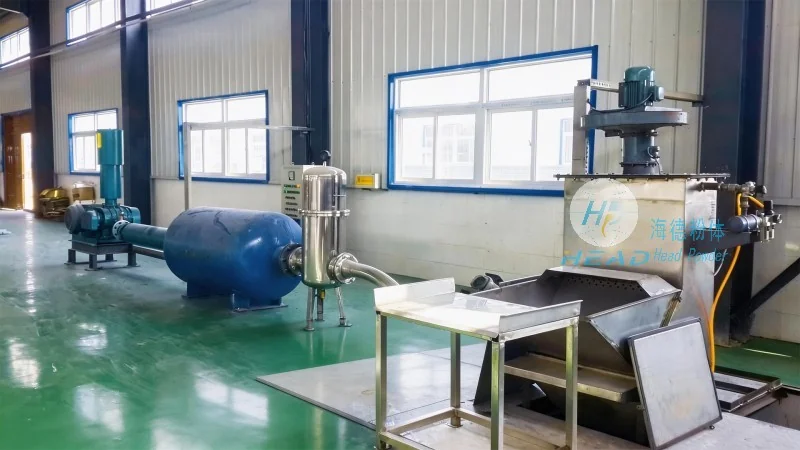
The soybean powder conveying system developed by Shandong HeadPowder Engineering Co., Ltd. integrates several key components that work in tandem to achieve effective material transport. The primary structural elements include a hopper for material storage, a conveyor mechanism (such as screw or pneumatic systems), and a control unit for regulating flow and pressure. The hopper is designed with a sloped interior to facilitate smooth material discharge, minimizing blockages and ensuring consistent feed to the conveyor. The conveyor itself is engineered with materials resistant to soybean powder abrasion and moisture, preventing degradation and maintaining system longevity. Additionally, the system incorporates a dust collection and filtration unit to manage airborne particles, enhancing safety and compliance with industrial standards. The control unit, equipped with sensors and digital interfaces, allows for real-time monitoring and adjustment of conveying parameters, optimizing performance based on operational needs.
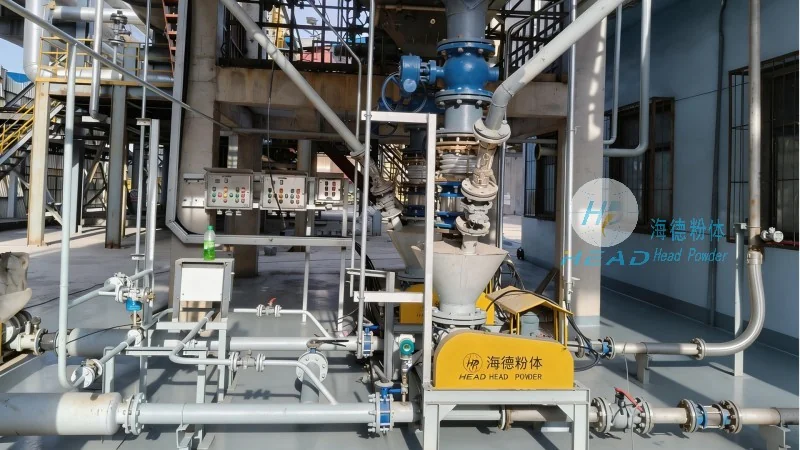
The operational principle of the soybean powder conveying system centers on the transfer of bulk material from a source to a destination through a combination of mechanical and pneumatic forces. In the case of the screw conveyor variant, the system utilizes a rotating helical screw to push the powder forward. As the screw rotates, it creates a pressure gradient that propels the material along the conveyor path. The design of the screw pitch and diameter is critical; a shorter pitch at the discharge end helps to accelerate material flow, while a longer pitch at the intake end ensures smooth feeding. For pneumatic conveying systems, the process involves generating a negative pressure or positive pressure in a pipeline to draw or push the powder through. The system employs a blower or compressor to create the necessary airflow, with the pipeline network carefully designed to minimize pressure losses and ensure consistent material transport. The choice between screw and pneumatic conveyors depends on factors such as material characteristics, distance, and throughput requirements, with both systems engineered to handle the specific properties of soybean powder, including its fine particle size and potential for static charge.
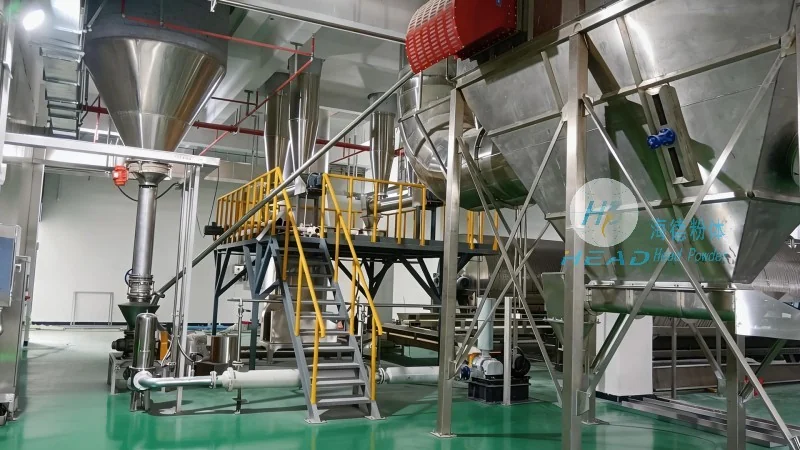
Soybean powder conveying systems are widely utilized in various industrial sectors, particularly in food processing, where the efficient handling of soybean products is essential for maintaining product quality and consistency. In the food industry, these systems are integral to the production of soy-based foods, including soy milk, tofu, and protein powders. The ability to transport soybean powder in a hygienic and controlled manner is critical to meeting regulatory standards and ensuring product safety. Additionally, the systems are employed in agricultural processing facilities, where they facilitate the transfer of soybean powder from storage silos to processing lines. The reliability and efficiency of the conveying system directly impact production throughput and operational costs, making it a key investment for businesses in the soybean processing sector. The systems are also adapted for use in research and development settings, where precise material handling is required for experimental processes and product testing.
Over the years, soybean powder conveying systems have undergone significant advancements to improve performance and durability. Modern systems incorporate advanced materials, such as stainless steel and corrosion-resistant alloys, to withstand the chemical and physical stresses associated with soybean powder handling. The integration of automated control systems allows for real-time monitoring of parameters like pressure, flow rate, and temperature, enabling proactive maintenance and reducing downtime. Regular maintenance is essential to ensure the longevity and efficiency of the system. This includes routine cleaning of the hopper and conveyor to prevent material buildup, inspection of the conveyor mechanism for wear and tear, and checking the performance of the dust collection system. Proper maintenance not only extends the lifespan of the equipment but also ensures consistent material quality and operational safety. The engineering team at Shandong HeadPowder Engineering Co., Ltd. provides comprehensive support, including maintenance services and technical guidance, to help clients optimize their conveying systems and achieve maximum efficiency.
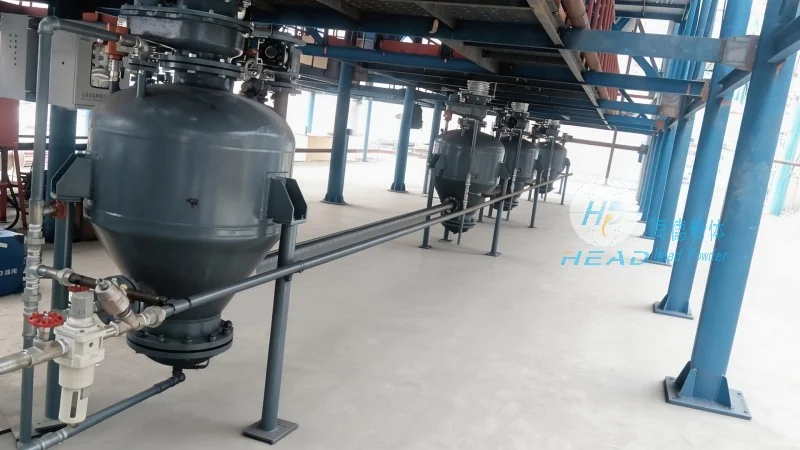
In summary, the soybean powder conveying system developed by Shandong HeadPowder Engineering Co., Ltd. represents a sophisticated solution for the efficient and reliable handling of soybean powders. By integrating advanced structural design, operational principles, and maintenance considerations, the system addresses the unique challenges of soybean powder transport, ensuring optimal performance in various industrial applications. The company's commitment to engineering excellence and customer support positions it as a leader in the field, providing tailored solutions that meet the specific needs of clients in the food processing and agricultural sectors. As industries continue to demand higher efficiency and quality in material handling, the importance of well-designed soybean powder conveying systems will only grow, making them a critical component of modern industrial operations.

 Shandong Headpowder Engineering Co., Ltd.
 156-6277-7102(Manager Zhang)
  0531-83386006
  Jinan City, Shandong Province, China
telephone
WeChatconsult
top