Green bean powder conveying systems are critical in industrial processing for efficiently transporting fine powder materials. The design and operation of these systems are vital to ensuring smooth material flow, minimizing downtime, and maintaining product quality. This article provides a detailed overview of the structural components and operational principles of green bean powder conveying systems, presented by Shandong HeadPowder Engineering Co., Ltd., a leading manufacturer in this field.
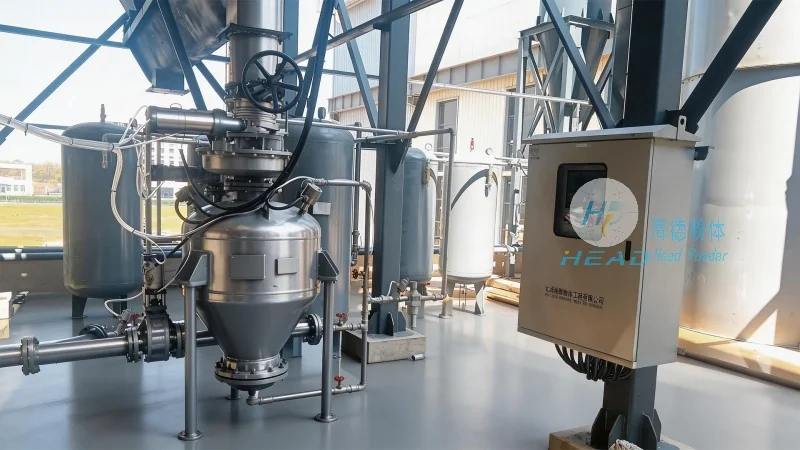
The green bean powder conveying system typically consists of several key components that work in tandem to facilitate efficient material transport. The primary components include the conveying pipeline, which is usually made of materials resistant to powder abrasion and corrosion, such as stainless steel or specialized plastic. The pipeline may feature a flexible design to accommodate layout changes or reduce stress on the system. A driving unit, often a motor-driven pump or a positive displacement blower, provides the necessary force to move the powder through the pipeline. This unit is connected to the pipeline via a coupling or direct drive mechanism, ensuring consistent power transmission. Additionally, a control system is integrated to regulate flow rate, pressure, and other operational parameters. The control unit may include sensors for monitoring pressure, flow, and temperature, allowing for real-time adjustments to maintain optimal conveying conditions. The system may also incorporate a filter or separator to prevent dust accumulation and protect downstream equipment from contamination.
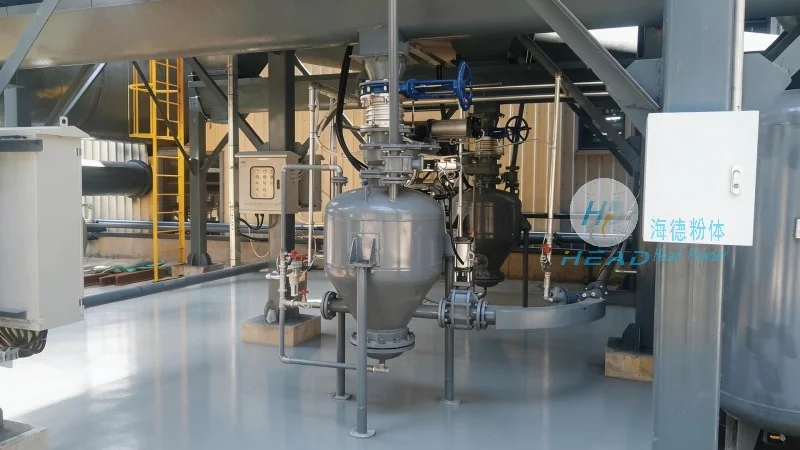
The operational principle of green bean powder conveying systems is based on using pressure or vacuum to move the powder through the pipeline. In pressure conveying systems, a positive displacement blower or pump creates a high-pressure environment that forces the powder particles to move along the pipeline. The powder is suspended in a carrier gas, such as air or nitrogen, which helps prevent agglomeration and maintain particle separation. The system is designed to maintain a consistent flow rate by controlling the pressure and flow of the carrier gas. In vacuum conveying systems, a vacuum pump creates a low-pressure environment that draws the powder into the pipeline. This method is particularly useful for conveying powders from multiple sources or over longer distances. The operational efficiency of the system depends on factors such as particle size, moisture content, and density of the green bean powder. Proper adjustment of conveying parameters, such as pressure or vacuum levels, and carrier gas flow rate, is crucial to prevent blockages and ensure smooth material transport.
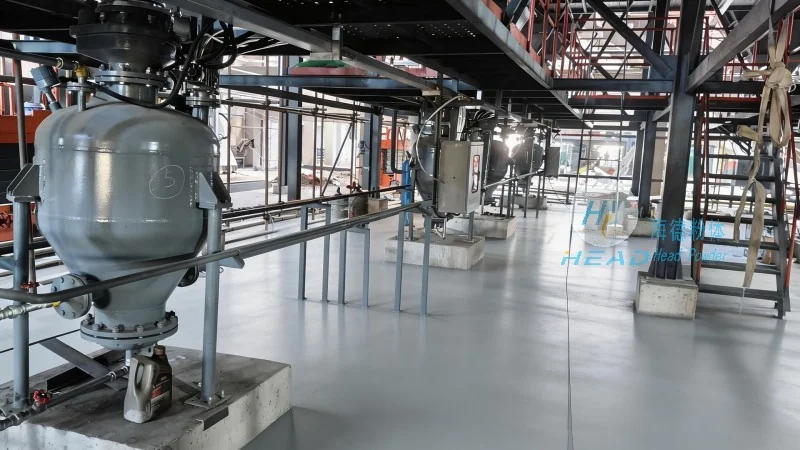
Green bean powder conveying systems offer several advantages over traditional methods like bucket elevators or belt conveyors. One key benefit is the ability to handle fine powders without excessive wear or contamination. The enclosed pipeline design prevents dust from escaping, reducing worker inhalation risks and minimizing dust control needs. Additionally, the system can transport powders over long distances with minimal material loss, suitable for large-scale industrial applications. The flexibility allows easy integration with other processing equipment, such as mixers or packaging machines. The control system enables precise process regulation, ensuring consistent product quality and reducing over/under-processing risks. The system also contributes to energy efficiency, operating with lower power consumption than traditional methods, resulting in cost savings and reduced environmental impact.
Green bean powder conveying systems are widely used across industries processing fine powders. In the food industry, they transport green bean powder for beverages, snacks, and baked goods, maintaining quality by preventing air/moisture exposure. In pharmaceuticals, these systems handle powders for medicinal use, often with sterile components to avoid microbial contamination. In chemicals, they transport various powders for manufacturing processes, offering versatility. The agricultural sector also uses them for fertilizers or pesticides. The system's flexibility and efficiency make it a valuable asset in these sectors.
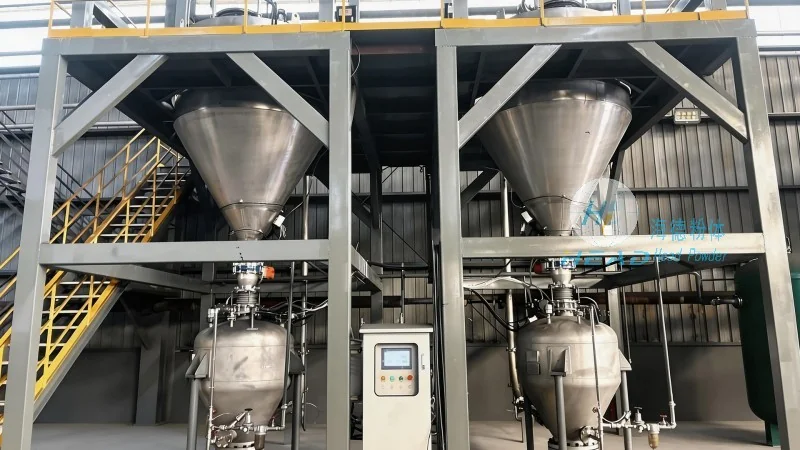
Proper maintenance of green bean powder conveying systems is essential for long-term efficiency and to prevent breakdowns. Regular inspection of the pipeline and components is needed to identify wear, damage, or blockages. The pipeline should be checked for cracks, leaks, or obstructions affecting flow. The driving unit and control system must be inspected for proper operation and worn parts. The filter or separator should be cleaned regularly to avoid clogging and maintain performance. If issues arise, such as reduced flow or increased pressure, troubleshooting is necessary. Common problems include clogged filters, worn pump parts, or incorrect control settings. Prompt resolution minimizes downtime and ensures consistent transport. Shandong HeadPowder Engineering Co., Ltd. provides maintenance services and technical support to help users maintain their systems and resolve issues.

 Shandong Headpowder Engineering Co., Ltd.
 156-6277-7102(Manager Zhang)
  0531-83386006
  Jinan City, Shandong Province, China
telephone
WeChatconsult
top