

What is a Sodium Hydrosulfite Pneumatic Conveying System? And What Are Its Design Principles?
Understanding the sodium hydrosulfite pneumatic conveying system is crucial for industries dealing with this chemical, as it ensures efficient and safe material handling. This article explores the system's definition and its underlying design principles, providing a comprehensive overview for professionals in the field.
What Is a Sodium Hydrosulfite Pneumatic Conveying System?
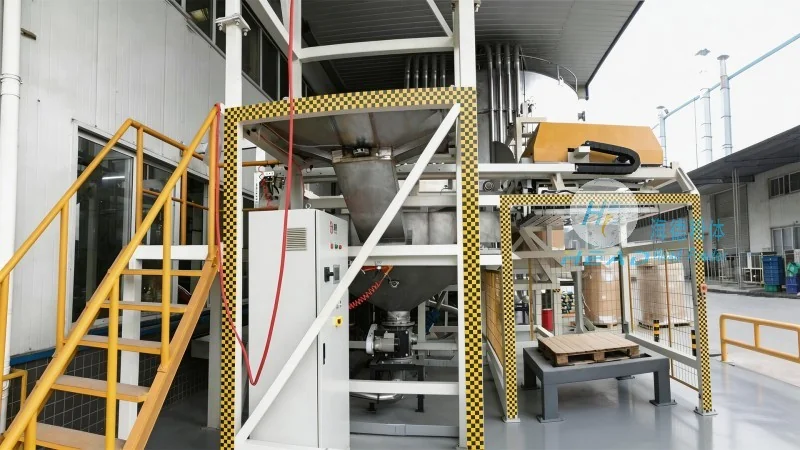
A sodium hydrosulfite pneumatic conveying system is a specialized equipment setup designed to transport sodium hydrosulfite, a key chemical used in various industrial processes such as bleaching, dyeing, and water treatment. The system utilizes air or other gases to move the solid material from one location to another, eliminating the need for traditional mechanical conveyors like belts or buckets. This method offers several advantages, including reduced labor costs, minimized material degradation, and enhanced safety by preventing direct human contact with the chemical.
Key Components of the System
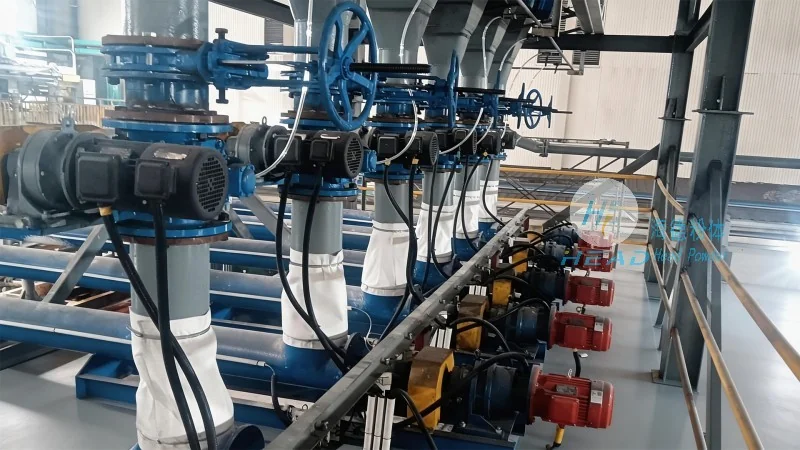
The sodium hydrosulfite pneumatic conveying system typically consists of several core components that work in tandem to achieve efficient material transport. These components include a hopper for material storage, a feeder to control the flow rate, a conveying line (usually a pipe) that carries the material and air mixture, a dust collector to capture any airborne particles, and a receiver where the material is deposited. Each component plays a vital role in maintaining the system's performance and ensuring the safe handling of sodium hydrosulfite.
Design Principles for Efficient Operation
The design of a sodium hydrosulfite pneumatic conveying system is based on several fundamental principles to ensure optimal performance and reliability. One of the primary principles is the selection of appropriate air velocity and pressure. The air velocity must be high enough to keep the material particles suspended in the air stream but not so high as to cause excessive wear on the system components or increase energy consumption. The pressure level is also critical, as it determines the system's capacity and the distance over which the material can be conveyed.
Another crucial design principle is the proper sizing of the conveying line. The diameter and length of the pipe are carefully calculated based on the material's properties, such as particle size, density, and moisture content, as well as the desired conveying rate. Proper sizing ensures that the material flows smoothly without clogging or causing pressure drops that could lead to system failure. Additionally, the system's design considers the need for adequate air filtration and dust control measures to maintain a clean and safe working environment, as sodium hydrosulfite can be a fine powder that poses respiratory hazards if inhaled.
Advantages of Using a Pneumatic Conveying System for Sodium Hydrosulfite
Implementing a pneumatic conveying system for sodium hydrosulfite offers numerous benefits over traditional conveying methods. Firstly, it provides a closed system that prevents dust contamination and exposure to the chemical, reducing the risk of health hazards and environmental pollution. Secondly, the system allows for precise control over the material flow rate, ensuring consistent and uniform delivery to downstream processes. This precision is particularly important in applications where the chemical's concentration or purity needs to be tightly controlled. Thirdly, pneumatic conveying systems are highly flexible, enabling easy integration with existing production lines and the ability to transport materials over long distances without the need for intermediate storage or handling.
Considerations for System Installation and Maintenance
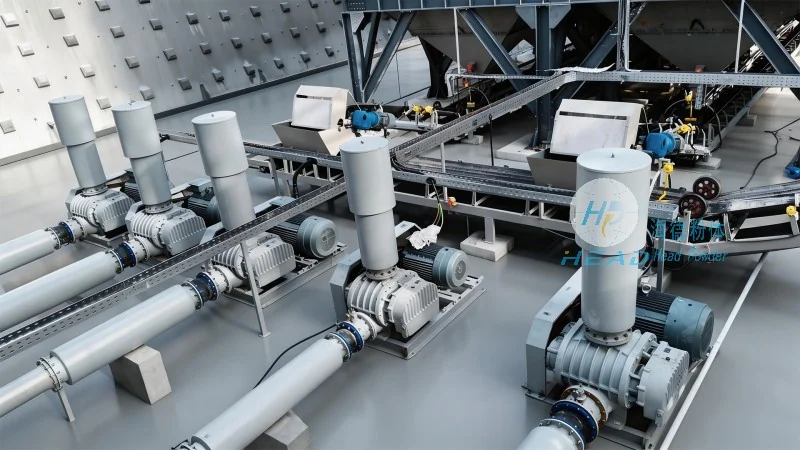
When installing a sodium hydrosulfite pneumatic conveying system, several factors must be considered to ensure long-term reliability and performance. The system should be installed in a well-ventilated area to prevent the accumulation of dust and fumes, and all components should be properly sealed to avoid leaks. Regular maintenance is essential to keep the system operating efficiently. This includes cleaning the conveying line and dust collector to prevent clogging, inspecting the feeder and hopper for wear and tear, and checking the air compressor and filtration system for proper functioning. Proper maintenance not only extends the system's lifespan but also ensures that it continues to operate safely and effectively, minimizing downtime and maintenance costs.
About HeadPowder: Your Trusted Partner in Pneumatic Conveying Solutions
HeadPowder, a leading manufacturer based in Shandong, China, specializes in providing high-quality pneumatic conveying systems tailored to the specific needs of industries dealing with sodium hydrosulfite and other chemicals. With years of experience in the field, HeadPowder understands the unique challenges associated with handling this chemical and designs systems that meet the highest standards of efficiency, safety, and reliability. The company's team of experts works closely with clients to assess their requirements, develop customized solutions, and provide comprehensive support throughout the system's lifecycle. HeadPowder's commitment to quality and customer satisfaction has made it a trusted partner for businesses seeking to optimize their material handling processes and improve overall operational efficiency.