Plastic powder conveying systems are critical components in industrial processes, facilitating the efficient transport of plastic powders from storage to processing units. Understanding the structural design and operational principles of these systems is essential for optimizing material handling, ensuring product quality, and enhancing overall operational efficiency. This article provides a comprehensive overview of plastic powder conveying, focusing on the key structural elements and underlying principles that govern their performance.
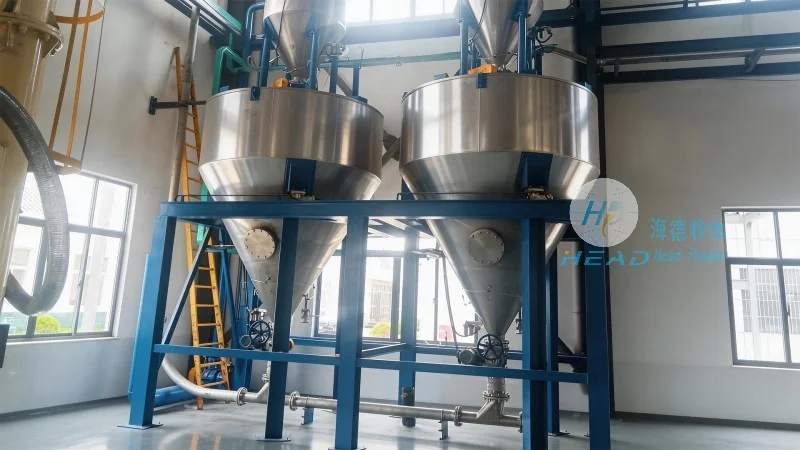
Plastic powder conveying involves the movement of granular plastic materials, such as polyethylene, polypropylene, or other thermoplastics, from bulk storage to processing equipment like extruders, mixers, or injection molding machines. The effectiveness of these systems directly impacts production throughput, material consistency, and operational safety. A well-designed conveying system minimizes material degradation, reduces downtime, and supports consistent product output, making it a vital investment for manufacturers in the plastics industry.
HeadPowder, the abbreviation for Shandong HeadPowder Engineering Co., Ltd., is a leading provider of specialized equipment and solutions for plastic powder handling. With operations based in Shandong, China, HeadPowder combines decades of industry experience with cutting-edge engineering to deliver reliable, efficient, and cost-effective conveying systems tailored to the unique needs of plastic manufacturers. The company’s commitment to quality, innovation, and customer satisfaction has established it as a trusted partner in the global plastics processing sector.
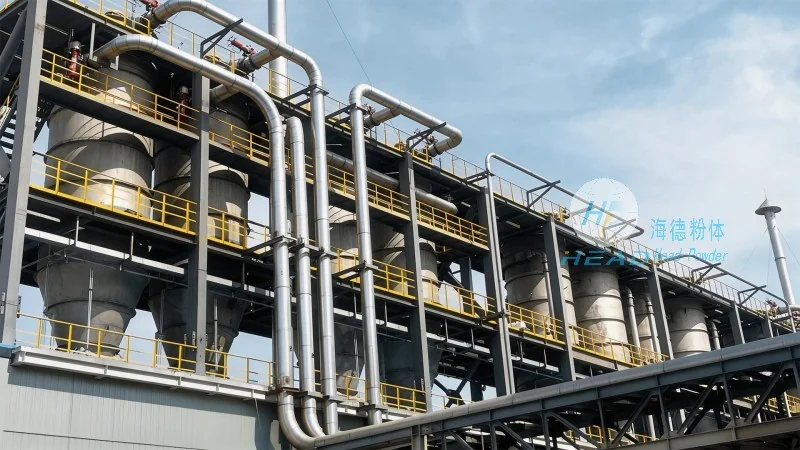
Plastic powder conveying systems typically consist of several key components, each playing a crucial role in the overall operation. The primary elements include feed hoppers, conveying mechanisms (such as screw conveyors, pneumatic systems, or vacuum pumps), control systems, and discharge units. These components work in concert to ensure smooth material flow, prevent blockages, and maintain consistent pressure and flow rates.
Screw conveyors, a common type of mechanical conveying system, utilize rotating screws to move plastic powders through a cylindrical tube. The design of the screw (e.g., pitch, diameter, and flight configuration) is tailored to the specific characteristics of the plastic material, including its density, flowability, and tendency to agglomerate. Proper screw design minimizes friction, reduces material degradation, and ensures uniform conveying speeds. For materials with high moisture content or sticky properties, specialized screw designs with variable pitch or mixing elements may be employed to enhance flow and prevent clogging.
Pneumatic conveying systems, on the other hand, rely on air or gas to transport plastic powders through a pipeline. These systems are particularly effective for handling fine powders or materials that are sensitive to mechanical stress. The operational principle involves creating a pressure differential between the inlet and outlet of the system, using either positive pressure (blowing air into the material) or negative pressure (suction from the material). The choice between positive and negative pressure depends on factors such as material properties, system layout, and energy efficiency requirements. Pneumatic systems are often preferred for applications requiring long-distance transport or when the material is prone to dust generation.
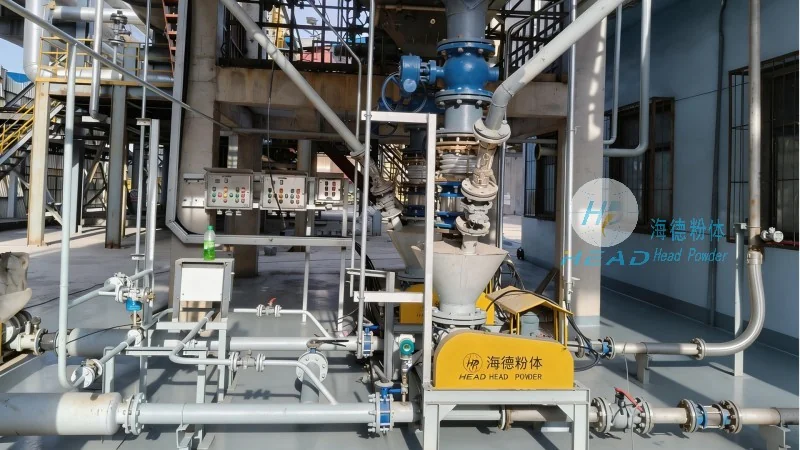
Modern plastic powder conveying systems offer several advantages over traditional methods, including improved material handling efficiency, enhanced product quality, and reduced operational costs. Advanced designs incorporate features such as variable speed drives, which allow for precise control of flow rates, and integrated sensors that monitor system performance and alert operators to potential issues. These features help maintain consistent material properties, reduce waste, and minimize downtime due to equipment failures.
Another significant advantage is the ability to integrate conveying systems with other processing equipment, creating a seamless material flow from storage to final product. This integration reduces manual handling, minimizes the risk of contamination, and improves overall process automation. For manufacturers, this translates to higher productivity, better product consistency, and a competitive edge in the market.
Plastic powder conveying systems are widely used across various industries, including automotive, packaging, and consumer goods. In the automotive sector, for example, conveying systems are essential for transporting plastic powders used in the production of interior components, such as dashboards and door panels. The consistent quality of the conveyed material directly impacts the durability and appearance of these components, making reliable conveying systems critical to product performance.
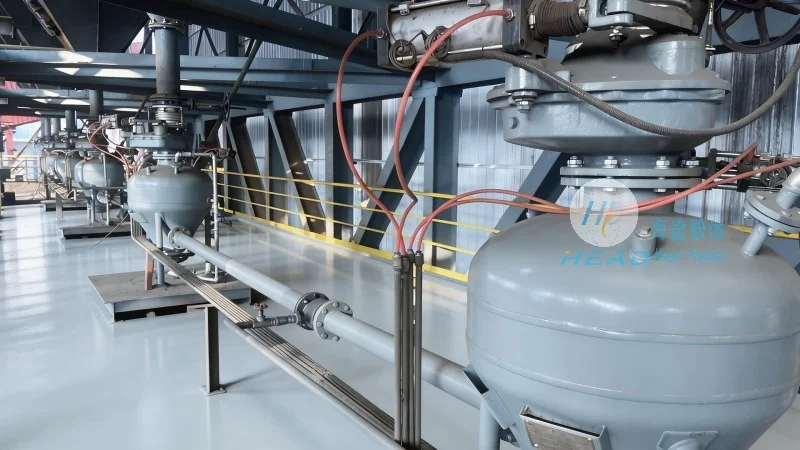
In the packaging industry, plastic powders are used to manufacture containers, films, and other packaging materials. Efficient conveying ensures that these materials are delivered to processing lines in the correct quantity and condition, supporting high-speed production and meeting stringent quality standards. Similarly, in consumer goods manufacturing, conveying systems play a vital role in producing plastic products like bottles, containers, and household items.
Plastic powder conveying systems are indispensable in the plastics industry, serving as the backbone of material handling processes. The structural design and operational principles of these systems directly influence production efficiency, product quality, and operational safety. By understanding the key components and principles of plastic powder conveying, manufacturers can select and implement systems that optimize their operations and meet the evolving demands of the market. With expertise and innovation, companies like Shandong HeadPowder Engineering Co., Ltd. continue to advance the technology, providing solutions that enhance the performance and reliability of plastic powder handling for industries worldwide.

 Shandong Headpowder Engineering Co., Ltd.
 156-6277-7102(Manager Zhang)
  0531-83386006
  Jinan City, Shandong Province, China
telephone
WeChatconsult
top