Understanding the dry ash powder conveying system is crucial for efficient handling and transportation of ash powders in industrial applications. This article provides an overview of the system's structure and operational principles, highlighting key components and their functions to ensure optimal performance in various industrial settings.

Dry ash powder conveying systems are engineered to transport ash powders from their source to designated storage or processing locations. These systems are widely used in power plants, waste management facilities, and other industrial operations where ash byproducts need to be managed effectively. The design of such systems focuses on minimizing dust emissions, ensuring safe operation, and maximizing material handling efficiency.
The dry ash powder conveying system typically consists of several critical components that work in tandem to achieve reliable material transport. These components include ash feeders, conveying pipelines, dust collection systems, and control units. Each component plays a vital role in the overall functionality of the system.
1. Ash Feeders: These devices are responsible for feeding the ash powder into the conveying system. They ensure a consistent and controlled flow of material, preventing blockages and maintaining system stability. Common types include rotary valves and screw feeders, which are chosen based on the ash's properties and the required flow rate.
2. Conveying Pipelines: The pipelines are the primary conduits for transporting the ash powder. They are usually made of durable materials like stainless steel or high-density polyethylene to withstand the abrasive nature of ash and resist corrosion. The design of the pipelines, including their diameter and length, is optimized to minimize pressure drop and energy consumption.
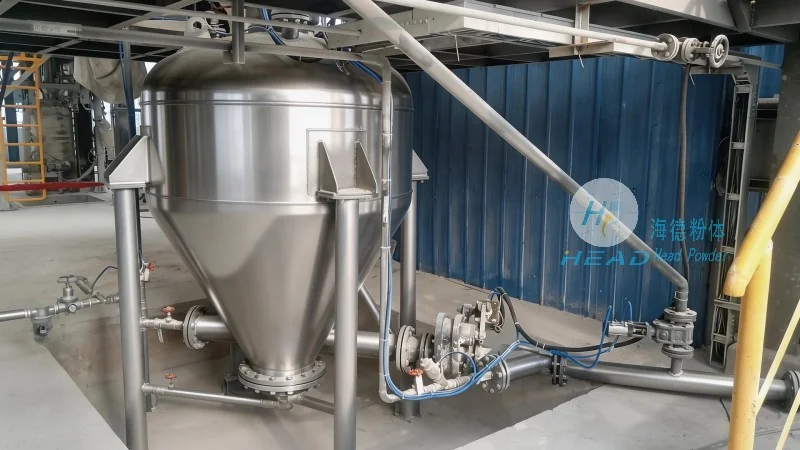
3. Dust Collection Systems: To maintain a clean and safe working environment, dust collection systems are integrated into the conveying process. These systems capture and filter the fine particles of ash that may be released during transport, preventing them from entering the atmosphere and ensuring compliance with environmental regulations.
4. Control Units: Modern dry ash powder conveying systems are equipped with advanced control units that monitor and regulate the operation of the system. These units use sensors and automation technology to adjust the flow rate, pressure, and other parameters in real-time, ensuring optimal performance and preventing operational issues.
The operation of a dry ash powder conveying system follows a systematic process that involves several stages. The primary working principle is based on the use of air or mechanical forces to move the ash powder through the pipelines.
1. Material Loading: The ash powder is first loaded into the ash feeder, where it is prepared for transport. The feeder ensures a steady supply of material, which is then introduced into the conveying pipeline.
2. Air Injection (Pneumatic Conveying): In pneumatic conveying systems, compressed air is introduced into the pipeline to create a flow that carries the ash particles. The air pressure and velocity are carefully controlled to ensure the ash is transported efficiently without causing excessive wear on the pipelines or components.
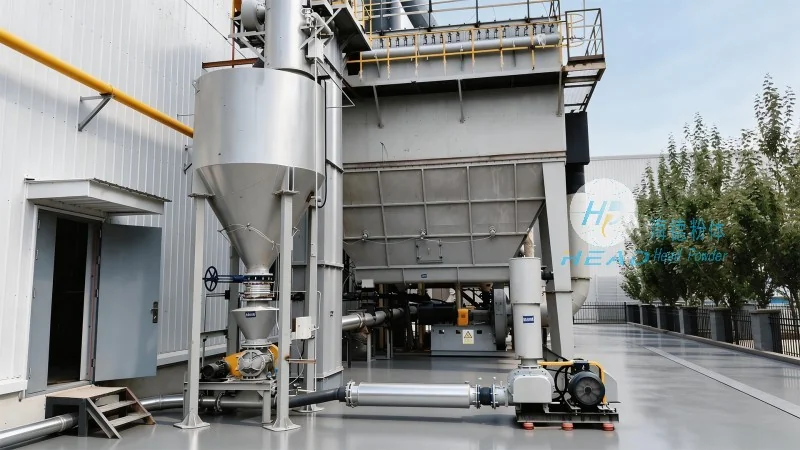
3. Mechanical Conveying: Alternatively, mechanical conveying systems use rotating components like screws or belts to move the ash powder through the pipeline. This method is often used for bulk materials with higher moisture content or for applications where air quality is a concern.
4. Discharge and Storage: Once the ash powder reaches its destination, it is discharged from the pipeline into a storage silo or processing unit. The discharge system is designed to prevent material buildup and ensure a smooth transition from the conveying pipeline to the storage facility.
Dry ash powder conveying systems offer several advantages in industrial applications, making them a preferred choice for ash management. These benefits include improved safety by reducing manual handling, enhanced efficiency through automated operation, and compliance with environmental regulations by minimizing dust emissions.
These systems are commonly used in power generation facilities, where ash is a byproduct of coal combustion. They are also utilized in waste incineration plants and other industrial processes that generate ash powders. The versatility of dry ash powder conveying systems allows them to be adapted to various operational requirements, from small-scale applications to large-scale industrial operations.

 Shandong Headpowder Engineering Co., Ltd.
 156-6277-7102(Manager Zhang)
  0531-83386006
  Jinan City, Shandong Province, China
telephone
WeChatconsult
top