For industrial applications requiring efficient and reliable powder handling, understanding the underlying technology and structural design is crucial. This article provides an overview of automatic powder handling systems, focusing on their structural principles and operational mechanisms. The information is presented by Shandong HeadPowder Engineering Co., Ltd., a leading provider in the field, based in Shandong, China.
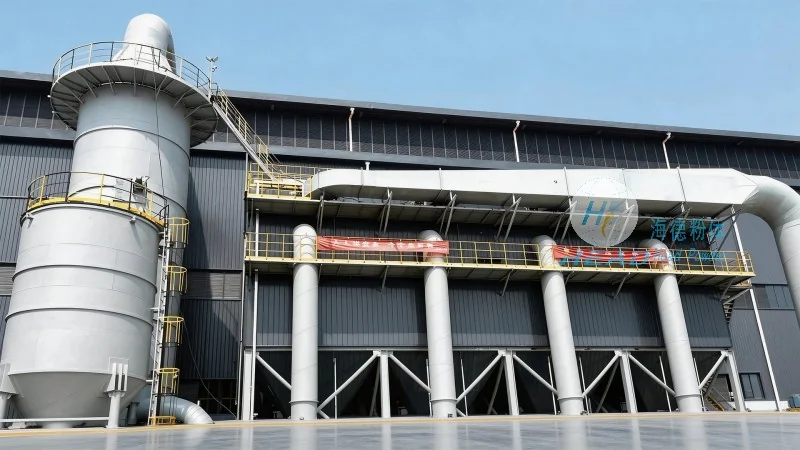
Automatic powder handling systems are engineered to transport, store, and manage bulk powders in various industrial settings. These systems are essential for processes such as manufacturing, pharmaceuticals, food processing, and chemical production, where precise control over powder flow is critical. The design of these systems integrates mechanical, pneumatic, and sometimes hydraulic components to ensure safe and efficient operation. Key components typically include hoppers, conveyors, valves, and control units, each playing a vital role in the overall functionality.
The structural design of automatic powder handling systems is tailored to address the unique challenges of handling powders, including their flow characteristics, potential for caking, and the need for contamination control. The system's architecture often involves a combination of vertical and horizontal components to optimize space utilization and material flow. For instance, vertical silos or hoppers are commonly used to store powders, while conveyor belts or pneumatic lines facilitate movement to processing units. The integration of sensors and control systems allows for real-time monitoring and adjustment of flow rates, ensuring consistent performance and preventing issues like blockages or overfilling.
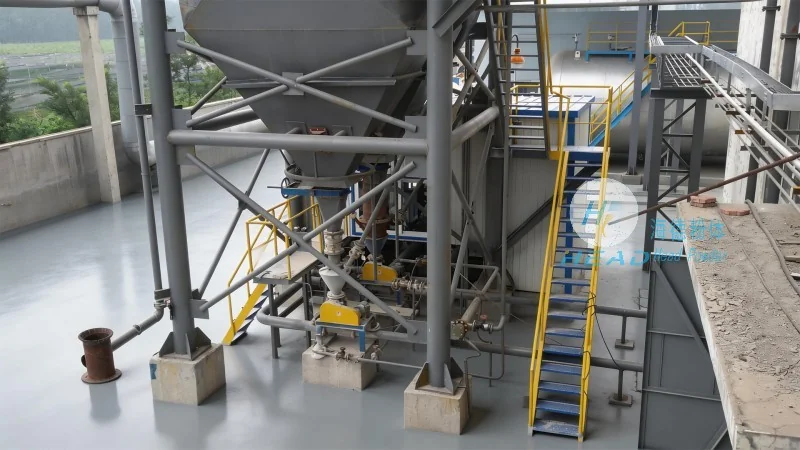
Several critical components contribute to the effectiveness of automatic powder handling systems. Hoppers, typically made of stainless steel or other corrosion-resistant materials, are designed to hold and discharge powders under controlled conditions. They often feature conical or rectangular shapes to promote uniform flow and minimize material buildup. Conveyors, which can be belt-driven or screw-driven, transport powders horizontally or at slight inclines. Pneumatic conveying systems use compressed air to move powders through pipes, offering flexibility in layout and the ability to handle fine powders without mechanical contact. Valves, including rotary, slide, or gate valves, regulate the flow of powder from the storage to the processing stage, ensuring precise dosing and preventing backflow.
The operational mechanisms of automatic powder handling systems rely on a combination of mechanical motion and electronic control. Motor-driven components, such as conveyor belts or screw conveyors, move powders through the system. Pneumatic systems utilize air pressure to create suction or pressure to push powders along pipelines. Control systems, often integrated with programmable logic controllers (PLCs), monitor sensor inputs like level indicators, pressure gauges, and flow meters. These systems adjust the operation of conveyors and valves in real time, responding to changes in demand or material conditions. This automation enhances efficiency, reduces labor costs, and minimizes the risk of human error, leading to improved product quality and process reliability.
Automatic powder handling systems find applications across multiple industries, each benefiting from the system's ability to handle powders safely and efficiently. In the pharmaceutical industry, these systems ensure sterile and contamination-free powder handling, which is essential for drug manufacturing. In food processing, they maintain hygiene standards while handling ingredients like flour, sugar, or spices. In chemical production, they manage reactive or hazardous powders with safety features that prevent dust explosions and material exposure. The consistent performance of these systems contributes to higher production yields, reduced waste, and improved overall operational efficiency for businesses.
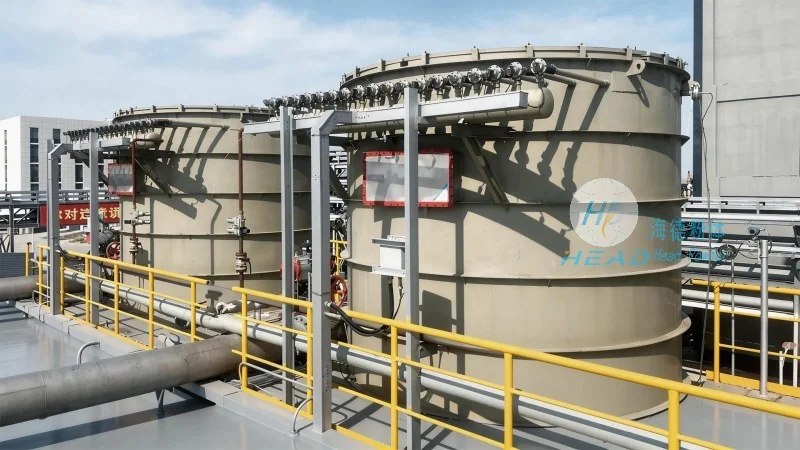
To ensure the long-term performance of automatic powder handling systems, regular maintenance is essential. This includes cleaning hoppers and conveyor components to prevent caking and material buildup, which can affect flow and cause equipment wear. Lubrication of moving parts, inspection of seals and bearings, and calibration of control systems are routine tasks that help maintain optimal operation. The use of durable materials, such as stainless steel and high-quality plastics, enhances the lifespan of the equipment. Additionally, the integration of monitoring systems allows for predictive maintenance, where early detection of issues can prevent costly downtime. By adhering to proper maintenance protocols, users can maximize the reliability and efficiency of their powder handling systems, ensuring consistent performance over time.
Automatic powder handling systems represent a sophisticated solution for managing bulk powders in industrial applications. Their structural design, combined with advanced control systems, enables efficient, safe, and reliable operation. Shandong HeadPowder Engineering Co., Ltd. specializes in the design, manufacturing, and integration of such systems, providing tailored solutions to meet the specific needs of various industries. By understanding the structural principles and operational mechanisms of these systems, businesses can enhance their production processes, improve product quality, and achieve greater operational efficiency. The continuous development of technology in powder handling continues to improve system performance, making them an indispensable part of modern industrial operations.

 Shandong Headpowder Engineering Co., Ltd.
 156-6277-7102(Manager Zhang)
  0531-83386006
  Jinan City, Shandong Province, China
telephone
WeChatconsult
top