For industrial applications requiring efficient and reliable handling of polyacrylamide (PAM) materials, the pneumatic conveying system represents a sophisticated solution that integrates advanced engineering with practical operational design. This equipment, manufactured by Shandong HeadPowder Engineering Co., Ltd., a leading enterprise based in China, is engineered to meet the demanding needs of various industries, including water treatment, mining, and chemical processing, where precise material transport is critical.

The polyacrylamide pneumatic conveying system is a closed-loop or open-loop system designed to transport dry powders or granules, such as polyacrylamide, through a network of pipes using air or gas as the conveying medium. Unlike traditional mechanical conveying methods, this system eliminates the need for direct contact between the material and mechanical components, reducing wear and maintenance requirements while ensuring a hygienic and dust-free operation. The system is particularly advantageous for handling materials that are sensitive to moisture, temperature, or contamination, making it ideal for applications where product integrity must be preserved.
The pneumatic conveying system consists of several core components that work in concert to achieve efficient material transport. The primary components include a hopper for material storage, a feeder to control the flow rate of the material, a conveying line (typically made of stainless steel or other corrosion-resistant materials to accommodate the chemical properties of polyacrylamide), a blower or compressor to generate the air pressure, and a receiver or discharge unit for the material. The hopper is designed with a sloped bottom to facilitate smooth material discharge, while the feeder, often a rotary valve or screw feeder, ensures consistent and controlled feeding of the polyacrylamide into the conveying line.
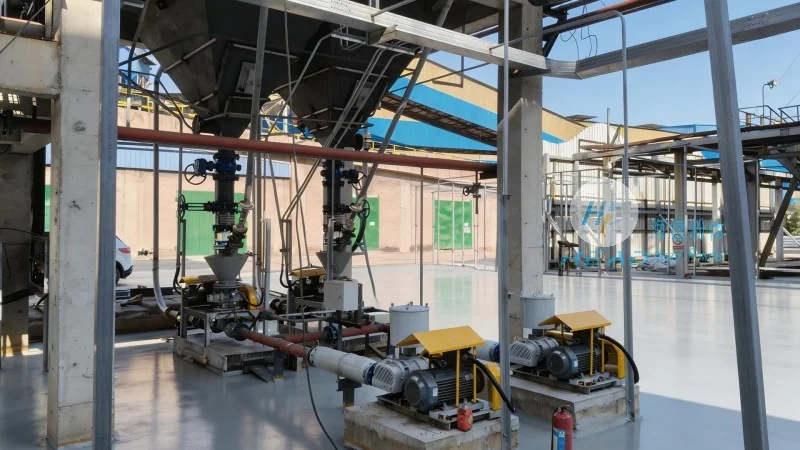
The conveying line is a critical component, as it must withstand the pressure and temperature conditions of the system while maintaining the integrity of the polyacrylamide. Stainless steel is commonly used for the pipe material due to its resistance to corrosion and its ability to prevent the adhesion of the material, which could otherwise lead to blockages or system inefficiencies. The blower or compressor provides the necessary air pressure to move the material through the line, with the pressure level typically adjusted based on the distance and volume of material to be transported. The receiver or discharge unit is where the polyacrylamide is deposited, and it is designed to prevent dust emissions and ensure a clean discharge process.
The operation of the polyacrylamide pneumatic conveying system is based on the principle of fluidization and pneumatic transport. When the feeder introduces the polyacrylamide into the conveying line, the blower generates a high-pressure air stream that flows through the line. The air stream creates a low-pressure zone within the pipe, which draws the polyacrylamide particles into the air stream, forming a mixture of air and material. This mixture is then transported through the conveying line to the receiver. The velocity of the air stream is carefully controlled to ensure that the polyacrylamide particles are fully suspended and transported without settling or causing blockages. The system operates in a continuous or batch mode, depending on the application requirements, and can be adjusted to handle varying material flow rates and distances.
Shandong HeadPowder Engineering Co., Ltd.'s polyacrylamide pneumatic conveying system offers several advantages over traditional conveying methods. The primary advantages include reduced labor costs due to automated operation, improved product quality through minimized contamination and exposure to external factors, and enhanced safety by eliminating manual handling of powders. The system is particularly suitable for applications where the polyacrylamide is used in water treatment processes, as it ensures that the material is transported without coming into contact with water or other contaminants, maintaining its effectiveness. Additionally, the system is compact and can be integrated into existing industrial facilities, making it a flexible solution for various operational setups.
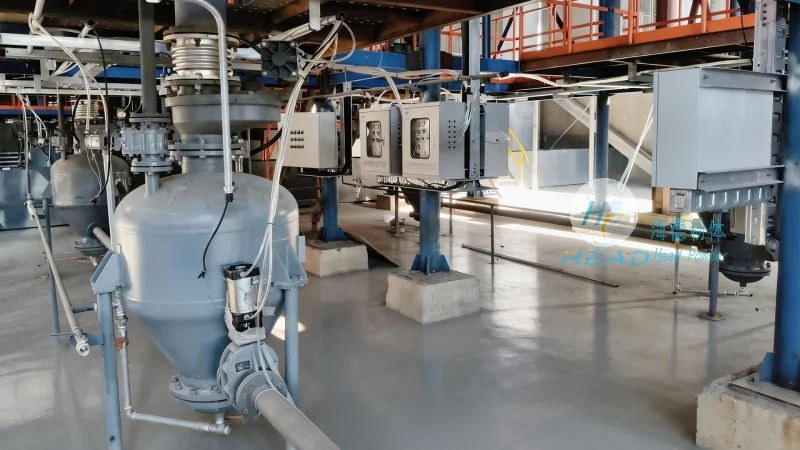
In water treatment applications, the polyacrylamide is used as a flocculant to aid in the clarification of water by aggregating suspended particles. The pneumatic conveying system ensures that the polyacrylamide is delivered to the treatment plant in a controlled manner, allowing for precise dosing and optimal performance. In mining operations, the system may be used to transport polyacrylamide used in slurry control or tailings management, where the material needs to be moved over long distances without degradation. The system's ability to handle high volumes of material efficiently makes it suitable for large-scale industrial operations.
To ensure the longevity and efficiency of the polyacrylamide pneumatic conveying system, regular maintenance is essential. The system components, particularly the hopper, feeder, and conveying line, should be inspected regularly for signs of wear or corrosion. The blower or compressor should be checked for proper air pressure and flow rates, as any deviations can affect the system's performance. The system should also be cleaned periodically to prevent the accumulation of polyacrylamide residue, which could lead to blockages or reduced efficiency. Proper training of operators is also crucial to ensure that the system is operated according to the manufacturer's guidelines, minimizing the risk of accidents or equipment damage.

 Shandong Headpowder Engineering Co., Ltd.
 156-6277-7102(Manager Zhang)
  0531-83386006
  Jinan City, Shandong Province, China
telephone
WeChatconsult
top