Textile fiber powder conveying is a critical process in the manufacturing and processing of textile materials. It involves the efficient transport of fibrous powders, such as cotton, polyester, or other synthetic fibers, from storage to processing units. The proper handling of these powders is essential for maintaining product quality, ensuring consistent production rates, and reducing operational costs in textile industries.
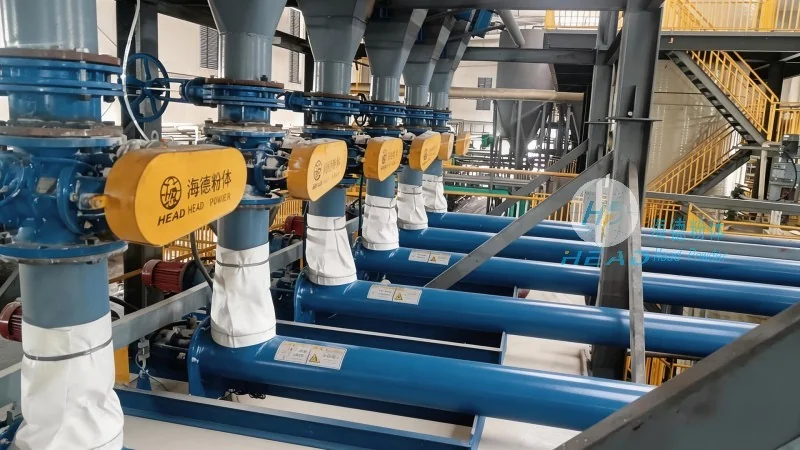
The textile fiber powder conveying system typically consists of several key components that work in tandem to achieve reliable and efficient material transport. These components include hoppers for material storage, feeders to control the flow rate, conveying mechanisms like pneumatic or mechanical systems, and control units to regulate the entire process. Each component plays a vital role in maintaining the integrity of the fiber powder and preventing issues like clogging or degradation.
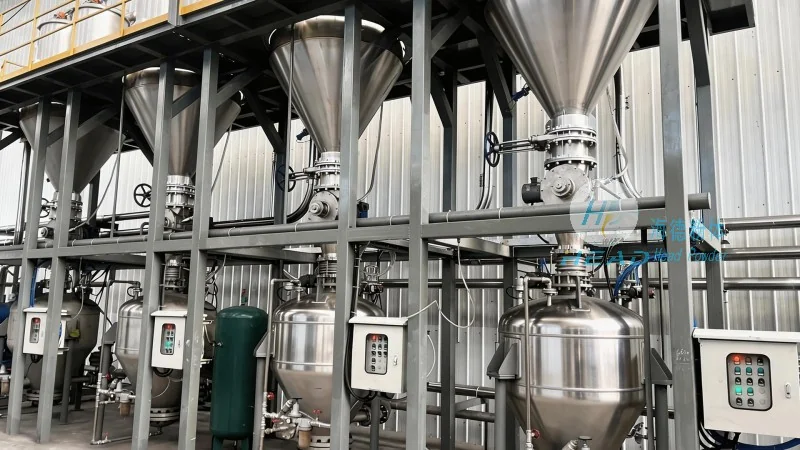
The structural design of a textile fiber powder conveying system is tailored to handle the unique properties of fibrous materials. For instance, the hopper design often incorporates sloped walls and internal baffles to minimize material bridging and ensure smooth discharge. The conveying mechanism, whether pneumatic (using air pressure) or mechanical (such as screw conveyors or belt conveyors), is selected based on the specific characteristics of the fiber powder, including particle size, moisture content, and bulk density. The working principle revolves around creating a consistent flow of material through the system, with proper sealing and filtration to maintain air quality and prevent dust contamination.
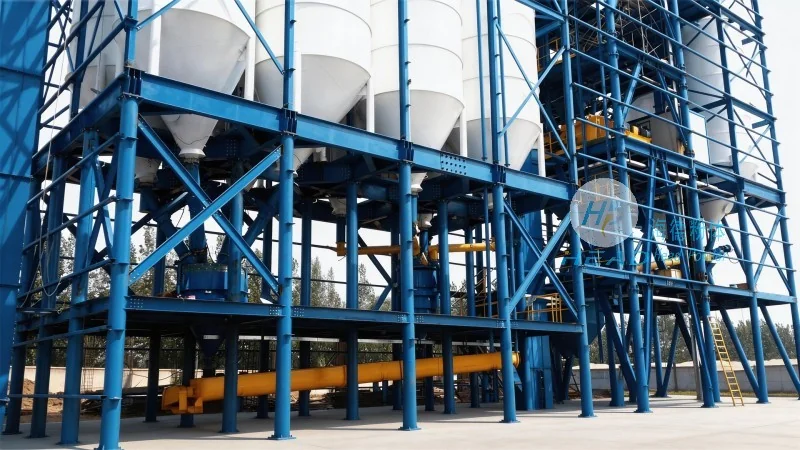
Implementing an effective textile fiber powder conveying system offers numerous advantages for textile manufacturers. By ensuring consistent material supply, it reduces downtime and improves production efficiency. The controlled flow of powders also minimizes the risk of material degradation, which is crucial for maintaining the quality of the final textile products. Additionally, advanced conveying systems can integrate with other processing equipment, creating a seamless workflow that enhances overall operational performance.
Textile fiber powder conveying systems are widely used in various stages of textile production, from raw material handling to finishing processes. In the raw material stage, these systems efficiently transport fiber powders from storage silos to blending and mixing units. During the processing stage, they ensure a steady supply of fibers to spinning and weaving machines, which are critical for producing high-quality yarns and fabrics. The versatility of these systems allows them to handle different types of fibers, making them adaptable to various textile manufacturing requirements.
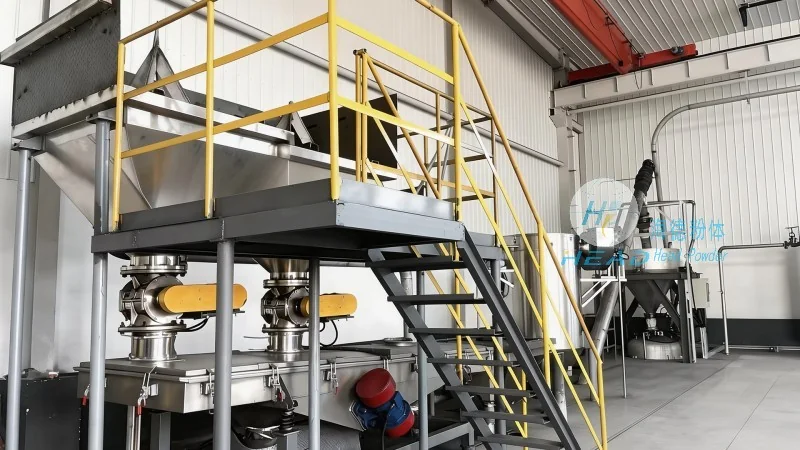
Proper maintenance of textile fiber powder conveying systems is essential to ensure long-term reliability and performance. Regular cleaning of hoppers, feeders, and conveying lines is necessary to prevent the accumulation of dust and fiber build-up, which can lead to clogging and reduced efficiency. Additionally, monitoring the system's performance parameters, such as flow rates and pressure, helps identify potential issues before they escalate into major problems. Proper training of operators on the system's operation and maintenance procedures is also crucial for maximizing the system's lifespan and minimizing downtime.

 Shandong Headpowder Engineering Co., Ltd.
 156-6277-7102(Manager Zhang)
  0531-83386006
  Jinan City, Shandong Province, China
telephone
WeChatconsult
top