For industries dealing with nickel sulfate crystalline powder, efficient and reliable transportation systems are crucial for maintaining production efficiency and product quality. This article provides an overview of the transportation methods for nickel sulfate crystalline powder, along with a detailed explanation of the structural principles behind these systems. The information is presented by Shandong HeadPowder Engineering Co., Ltd., a leading company in the field, based in Shandong, China.
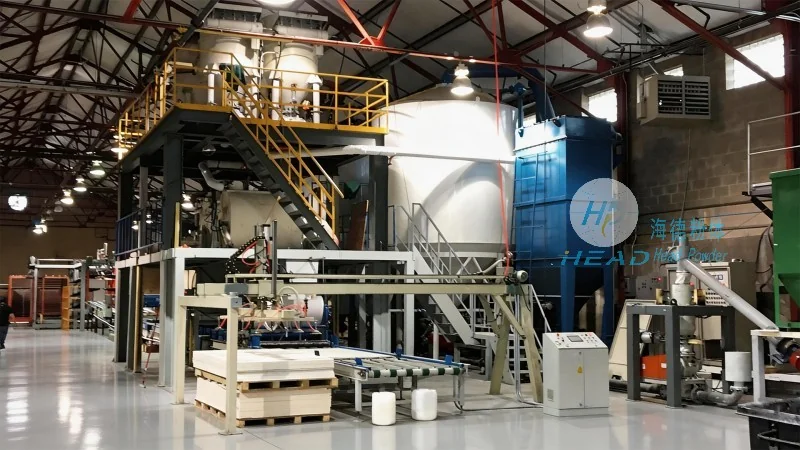
Shandong HeadPowder Engineering Co., Ltd., commonly known as headpowder, specializes in the design, manufacturing, and integration of powder handling systems. With a strong focus on material science and engineering, the company has developed advanced solutions tailored to the unique challenges of transporting nickel sulfate crystalline powder. Headpowder's expertise lies in understanding the physical properties of the powder, such as its particle size, moisture content, and flow characteristics, which are critical factors in selecting the appropriate transportation equipment.
Nickel sulfate crystalline powder is a key chemical used in various industrial applications, including battery manufacturing, electroplating, and catalyst production. The powder's crystalline structure and fine particle size make it prone to issues like caking, bridging, and segregation during handling. To address these challenges, specialized equipment is required to ensure consistent flow and prevent material degradation. The transportation systems designed by headpowder are engineered to mitigate these issues, ensuring the powder remains in optimal condition throughout the handling process.
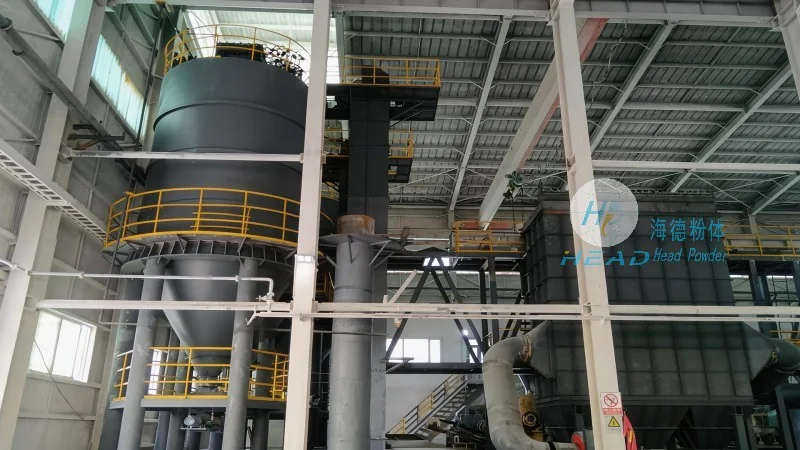
The core of any effective nickel sulfate crystalline powder transportation system lies in its structural design. Key components include feeders, conveyors, and storage vessels, each playing a vital role in the overall operation. Feeders, such as rotary valves or vibratory feeders, are used to control the flow rate of the powder from storage bins or hoppers. These devices ensure a uniform and controlled discharge, preventing overloading or underloading of downstream equipment. Conveyors, including screw conveyors or pneumatic systems, then transport the powder to its destination, such as processing units or packaging areas.
The structural design also considers the material of construction. Nickel sulfate is a corrosive chemical, and the transportation equipment must be made from materials resistant to corrosion, such as stainless steel or specialized alloys. This ensures the longevity of the system and maintains product purity. Additionally, the system incorporates features like dust collection and sealing mechanisms to prevent contamination and environmental hazards. The integration of these components into a cohesive system is based on principles of fluid dynamics and material flow, ensuring efficient and safe operation.
In industrial settings, the transportation of nickel sulfate crystalline powder is often integrated into larger production lines. The systems designed by headpowder are tailored to meet the specific requirements of each application, whether it's for batch processing or continuous production. For example, in battery manufacturing, the powder is transported to mixing and coating lines, where it is combined with other materials to form electrode active materials. The efficiency of the transportation system directly impacts the overall production rate and product consistency. Similarly, in electroplating facilities, the powder is used as a source of nickel ions, and the transportation system must ensure a steady supply to maintain consistent plating quality.
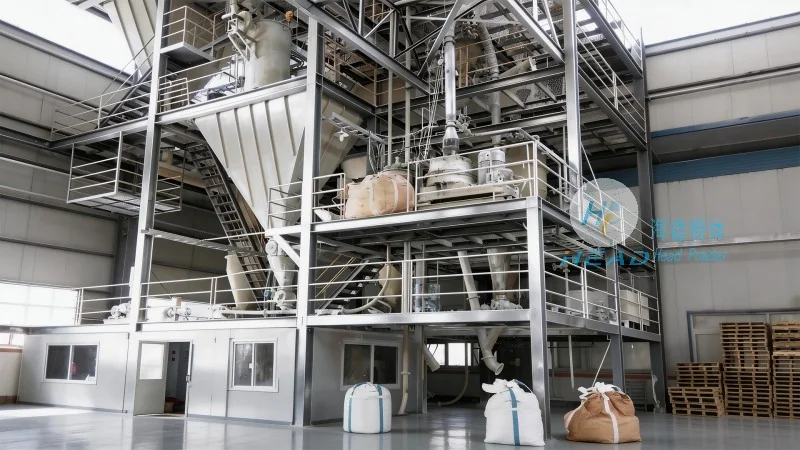
Modern transportation systems for nickel sulfate crystalline powder offer several advantages over traditional methods. These include improved flow control, reduced material loss, and enhanced safety features. The use of automated controls allows for precise regulation of the powder flow, minimizing the risk of overfilling or underfilling. Additionally, the systems are designed to minimize dust generation, which not only improves workplace safety but also reduces the risk of product contamination. The structural integrity of the equipment ensures that the powder remains in a stable state, preventing caking and bridging that can lead to equipment downtime.
Efficient transportation of nickel sulfate crystalline powder is essential for maintaining productivity and product quality in various industrial applications. The structural principles and advanced systems developed by Shandong HeadPowder Engineering Co., Ltd. address the unique challenges associated with handling this material. By understanding the physical properties of the powder and designing systems with corrosion-resistant materials and precise flow control, headpowder provides reliable solutions that meet the demands of modern industrial operations. As a company based in Shandong, China, headpowder continues to innovate and provide high-quality powder handling solutions to clients worldwide.

 Shandong Headpowder Engineering Co., Ltd.
 156-6277-7102(Manager Zhang)
  0531-83386006
  Jinan City, Shandong Province, China
telephone
WeChatconsult
top