HeadPowder, a leading provider in the field of powder processing technology, specializes in the design and manufacturing of advanced powder handling systems tailored for the lithium-ion battery industry. This article provides a comprehensive overview of the systems used to transport and manage the critical positive and negative electrode powders, focusing on their structural design and operational principles. The company, Shandong HeadPowder Engineering Co., Ltd., is headquartered in Shandong, China, and has established itself as a key player in delivering reliable and efficient solutions for the battery material supply chain.
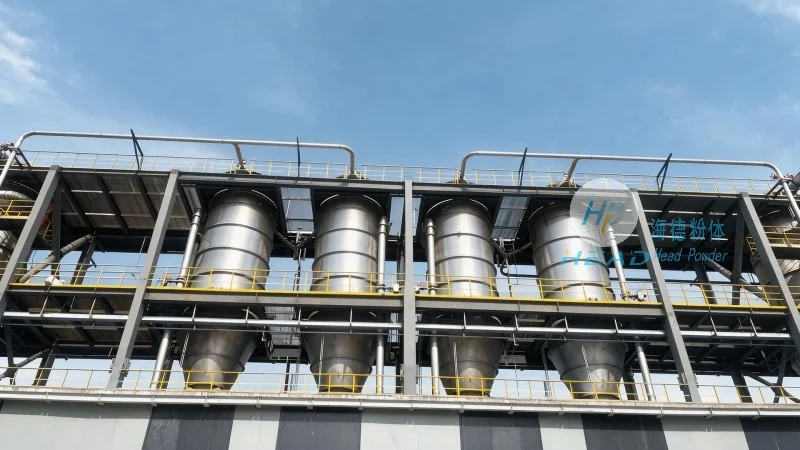
The powder handling systems for lithium-ion battery electrode materials typically consist of several core components that work in concert to ensure precise and controlled material transfer. These components include feeders, conveyors, storage silos, and control systems, each designed to handle the unique properties of the powders, such as their fine particle size, hygroscopic nature, and sensitivity to moisture and oxygen. The structural design emphasizes robust construction to withstand the abrasive and corrosive effects of the materials, while maintaining high levels of precision to prevent agglomeration or degradation of the powders. For instance, the feeders are often equipped with adjustable speed mechanisms and anti-static features to maintain consistent flow rates and prevent material buildup. The conveyors, whether pneumatic or mechanical, are engineered to minimize particle breakage and ensure uniform distribution of the powders. The storage silos are designed with aeration systems and moisture barriers to preserve the quality of the stored materials, which is crucial for maintaining the performance of the final battery products.
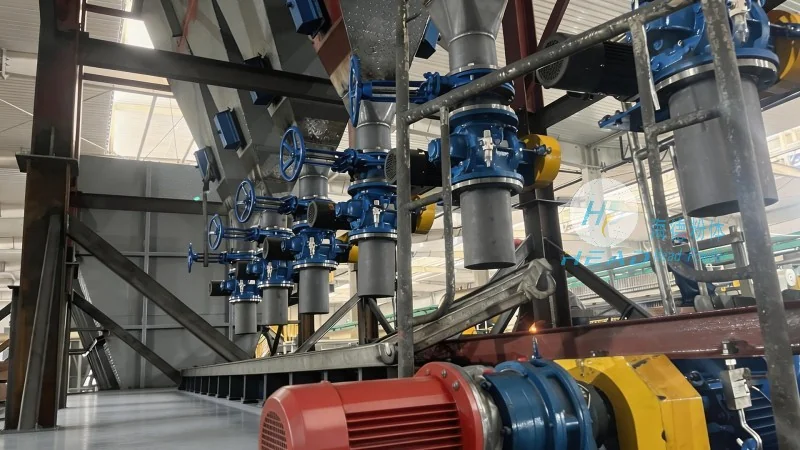
The operational principles of these powder handling systems revolve around the efficient and safe transfer of electrode powders from raw material storage to the mixing and coating stages of battery production. The process begins with the raw materials being loaded into the storage silos, where they are stored under controlled conditions to prevent contamination and degradation. From there, the powders are discharged into feeders, which regulate the flow rate based on the production requirements. The feeders then deliver the powders to the conveyors, which transport them to the subsequent processing units. Pneumatic conveying systems, for example, use compressed air to move the powders through a network of pipes, while mechanical conveyors rely on belts or screws to move the material. The control systems, integrated with sensors and automation technology, monitor the flow rates, pressure, and other parameters to ensure smooth operation and prevent system failures. This closed-loop control system enhances the reliability and efficiency of the powder handling process, reducing downtime and improving overall production throughput.
The powder handling systems are integral to the battery manufacturing process, as they directly impact the quality and performance of the final products. By ensuring the consistent and controlled delivery of positive and negative electrode powders, these systems help maintain uniform particle size distribution and composition, which are critical factors in achieving high energy density and cycle life in lithium-ion batteries. The benefits of using advanced powder handling systems include improved material utilization, reduced waste, and enhanced product consistency. Additionally, the systems contribute to a safer working environment by minimizing dust exposure and preventing the release of hazardous materials. The structural design and operational principles of these systems are optimized to meet the stringent requirements of the battery industry, where even minor variations in material handling can affect the performance and reliability of the batteries.
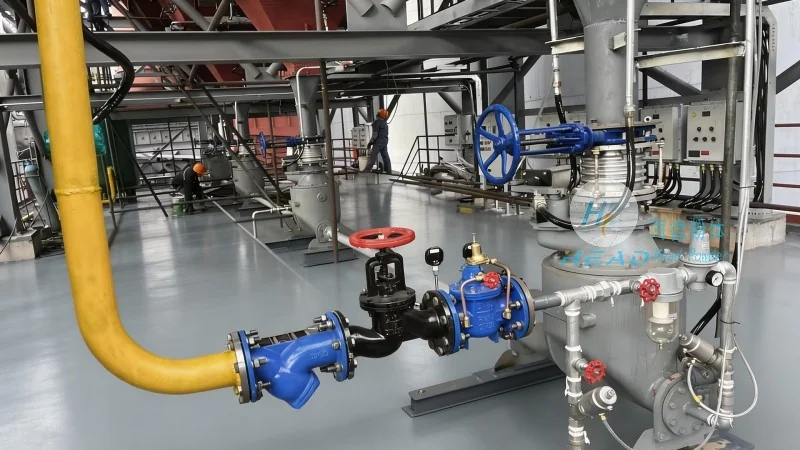
HeadPowder Engineering Co., Ltd., based in Shandong, China, offers advanced powder handling systems that are specifically designed to meet the demands of lithium-ion battery electrode material processing. The structural principles and working mechanisms of these systems ensure efficient, reliable, and safe transfer of critical powders, contributing to the overall quality and performance of battery products. By leveraging robust engineering and innovative technology, HeadPowder continues to provide solutions that support the growth and advancement of the battery industry.

 Shandong Headpowder Engineering Co., Ltd.
 156-6277-7102(Manager Zhang)
  0531-83386006
  Jinan City, Shandong Province, China
telephone
WeChatconsult
top