

Preventing Dust Leakage in Pneumatic Conveying Systems for Graphite Lumps
When operating pneumatic conveying systems to transport graphite lumps, managing dust leakage is a critical challenge. Proper system design and maintenance are essential to ensure safety, compliance, and operational efficiency. This article explores effective strategies to prevent dust leakage while conveying graphite, focusing on practical solutions and industry best practices.
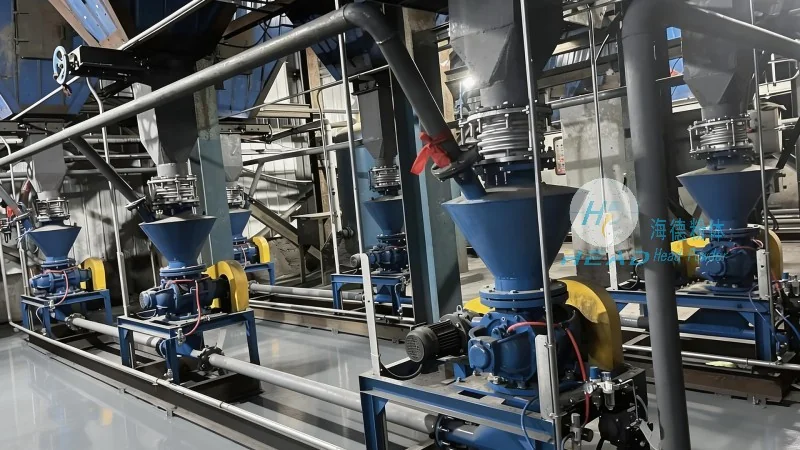
Understanding the Challenges of Graphite Lumps in Pneumatic Conveying
Graphite lumps are known for their fine particulate nature, which can easily become airborne during the conveying process. This not only poses health risks to personnel but also leads to environmental contamination and equipment wear. The primary challenges include material attrition, system pressure fluctuations, and inadequate sealing at critical points. These factors contribute to increased dust generation and potential leakage from the system. A thorough understanding of these challenges is the first step toward implementing effective prevention measures.
Key Components for Dust Control in Pneumatic Systems
Effective dust control in pneumatic conveying systems for graphite lumps involves several key components. First, the selection of appropriate equipment is crucial. High-quality, dust-tight hoppers and feeders are essential to minimize material spillage and air ingress. These components should be designed to handle the specific properties of graphite, such as its density and tendency to create dust. Additionally, the use of flexible, yet durable, hoses and ducts can help maintain system integrity and prevent cracks that may lead to leaks.
Another critical component is the air filtration system. A robust filtration unit, typically placed at the discharge end of the conveying line, captures any escaped dust particles. This not only prevents environmental contamination but also protects downstream equipment from damage. The filtration system should be regularly maintained to ensure optimal performance, as clogged filters can reduce efficiency and increase pressure drop, potentially leading to more dust leakage.
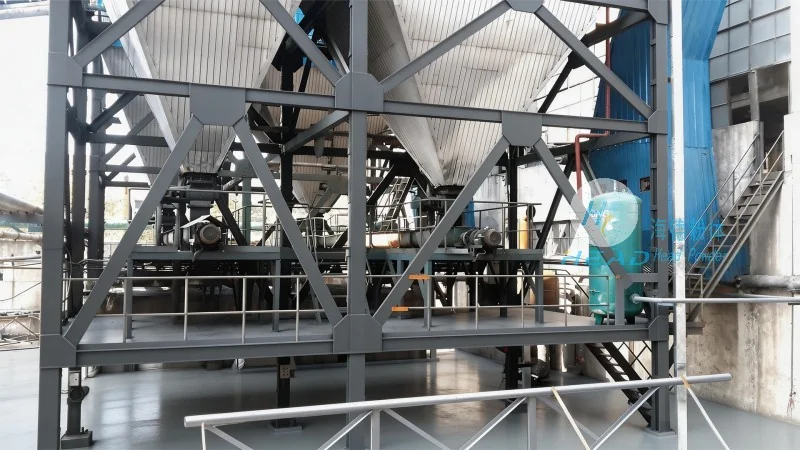
System Design and Engineering Solutions
The design of the pneumatic conveying system itself plays a significant role in preventing dust leakage. Proper layout and positioning of components can minimize the risk of pressure imbalances and material blockages. For example, ensuring that the conveying line is sloped correctly to prevent material settling and air pockets is vital. Additionally, incorporating pressure relief valves and surge tanks can help stabilize system pressure, reducing the likelihood of sudden pressure spikes that may cause seals to fail.
Seal technology is another critical area of focus. Advanced sealing solutions, such as mechanical seals and magnetic seals, are often used in the connection points between hoppers, ducts, and other system components. These seals are designed to withstand the abrasive nature of graphite and maintain a tight fit under varying pressure conditions. Regular inspection and replacement of worn seals are essential to maintain their effectiveness.
Maintenance and Operational Practices
Even with the best system design, regular maintenance and proper operational practices are necessary to prevent dust leakage. Routine checks should include inspecting for signs of wear or damage on hoppers, ducts, and seals. Any visible cracks, loose fittings, or damaged components should be addressed promptly to prevent further deterioration. Additionally, maintaining consistent material flow rates and avoiding overloading the system can help reduce pressure fluctuations and minimize stress on seals.
Training personnel on proper system operation and maintenance is also crucial. Operators should be aware of the importance of maintaining system integrity and the potential consequences of dust leakage. Regular cleaning of the system, both during and after operation, can help remove accumulated dust and prevent it from becoming a source of future leakage. Implementing a preventive maintenance schedule can also help identify and address potential issues before they become major problems.
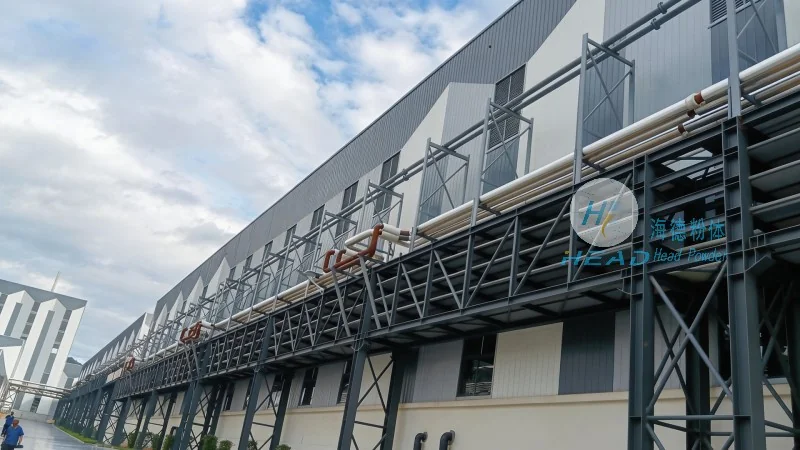
Case Study: Successful Implementation by Shandong HeadPowder Engineering Co., Ltd.
Shandong HeadPowder Engineering Co., Ltd., a leading provider of pneumatic conveying solutions, has successfully implemented dust control measures for graphite lumps in various industrial applications. By integrating advanced sealing technologies, robust filtration systems, and optimized system design, the company has helped clients reduce dust leakage by up to 90% in some cases. The case studies highlight the importance of a comprehensive approach, combining equipment selection, system design, and regular maintenance to achieve effective dust control.
The company’s expertise in material handling and pneumatic systems has enabled them to tailor solutions to the specific needs of each client. Whether it's a new system installation or retrofitting an existing one, HeadPowder provides customized solutions that address the unique challenges of graphite lumps. Their commitment to quality and customer satisfaction has made them a trusted partner in the industry.
Conclusion and Best Practices
Preventing dust leakage in pneumatic conveying systems for graphite lumps requires a combination of proper system design, high-quality components, and regular maintenance. By addressing the challenges of material properties and system operation, industries can ensure safe and efficient handling of graphite while minimizing environmental impact. The key is to adopt a proactive approach, integrating best practices and leveraging advanced technologies to maintain system integrity. For businesses looking to improve their graphite handling processes, partnering with experienced providers like Shandong HeadPowder Engineering Co., Ltd. can provide the expertise and solutions needed to achieve effective dust control.