

Preventing Dust Leakage in Pneumatic Conveying Systems for Asbestos Powder Transport
When handling asbestos powder through pneumatic conveying systems, preventing dust leakage is a critical safety and operational concern. Asbestos is a hazardous material, and any exposure to airborne asbestos fibers can pose serious health risks. Therefore, implementing effective dust control measures is essential to ensure compliance with safety regulations and maintain a safe working environment. This article explores key strategies and best practices for preventing dust leakage in pneumatic conveying systems specifically designed for asbestos powder transport.
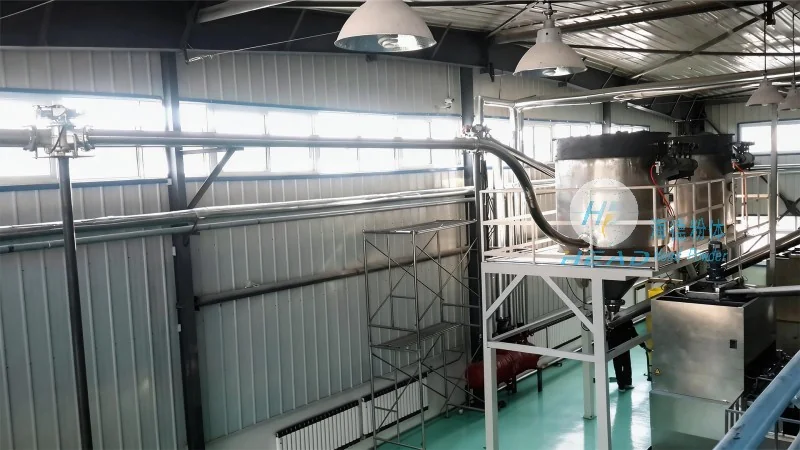
About HeadPowder: Experts in Pneumatic Conveying Solutions
HeadPowder, a leading provider of pneumatic conveying systems, specializes in engineering solutions tailored to handle hazardous materials like asbestos powder. With years of experience in the industry, HeadPowder understands the unique challenges associated with transporting asbestos, including the need for stringent dust containment. The company’s team of engineers and technicians is dedicated to developing and implementing systems that meet the highest safety and performance standards. HeadPowder’s commitment to quality and safety is reflected in its comprehensive approach to dust leakage prevention, ensuring that clients can operate with confidence in their asbestos powder handling processes.
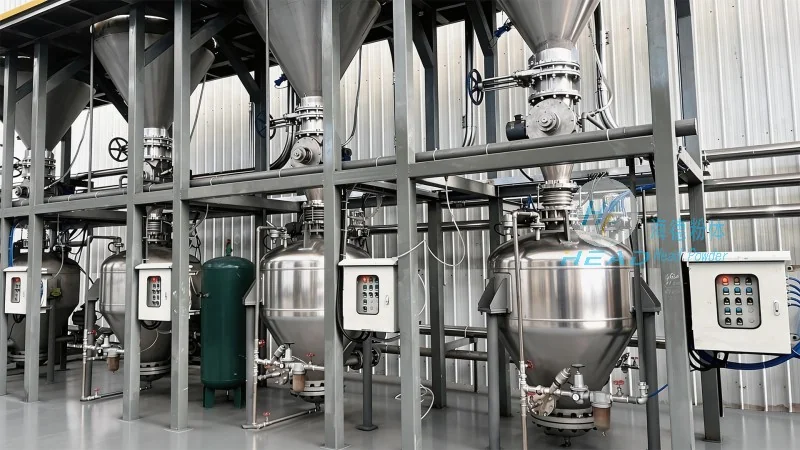
Key Design Features for Dust Leakage Prevention
Effective dust leakage prevention in pneumatic conveying systems for asbestos powder begins with robust system design. HeadPowder’s systems incorporate several key features to minimize the risk of dust escape. First, the use of high-quality, airtight components is crucial. This includes sealed hoppers, flexible connectors, and properly fitted valves that prevent air and powder from escaping at connection points. Second, the design incorporates positive pressure control, ensuring that the system maintains a slight positive pressure to prevent external air from entering and carrying dust particles out. Third, the use of efficient filtration systems, such as high-efficiency particulate air (HEPA) filters, is essential for capturing any residual dust particles before they are released into the environment. These design elements work together to create a closed-loop system that significantly reduces the risk of dust leakage.

Operational and Maintenance Practices for Dust Control
While system design is critical, regular operational and maintenance practices are equally important for maintaining dust leakage prevention. HeadPowder recommends several best practices for clients to follow. First, regular inspection of all system components is necessary to identify and address any wear or damage that could lead to leaks. This includes checking seals, gaskets, and flexible hoses for signs of deterioration. Second, proper start-up and shutdown procedures are essential to prevent sudden pressure changes that could cause dust to escape. Gradual pressure build-up and controlled system depressurization help minimize the risk of dust leakage. Third, training personnel on proper system operation and emergency procedures is vital. Employees should be aware of the hazards associated with asbestos and the importance of maintaining dust containment. HeadPowder provides comprehensive training programs to ensure that all personnel are equipped with the knowledge and skills needed to operate the system safely and effectively.
Real-World Applications and Client Success Stories
HeadPowder has successfully implemented dust leakage prevention systems for various clients handling asbestos powder. For example, a client in the construction industry required a system to transport asbestos powder from storage silos to processing equipment. HeadPowder designed a custom pneumatic conveying system with sealed hoppers and HEPA filtration, which reduced dust leakage by over 95% compared to their previous system. The client reported improved safety for their workers and compliance with local regulations. Another client in the manufacturing sector used HeadPowder’s system to transport asbestos powder for insulation production. The system’s positive pressure control and efficient filtration resulted in a significant reduction in airborne asbestos fibers, leading to a safer workplace and increased productivity. These success stories demonstrate the effectiveness of HeadPowder’s solutions in preventing dust leakage and ensuring safe handling of asbestos powder.
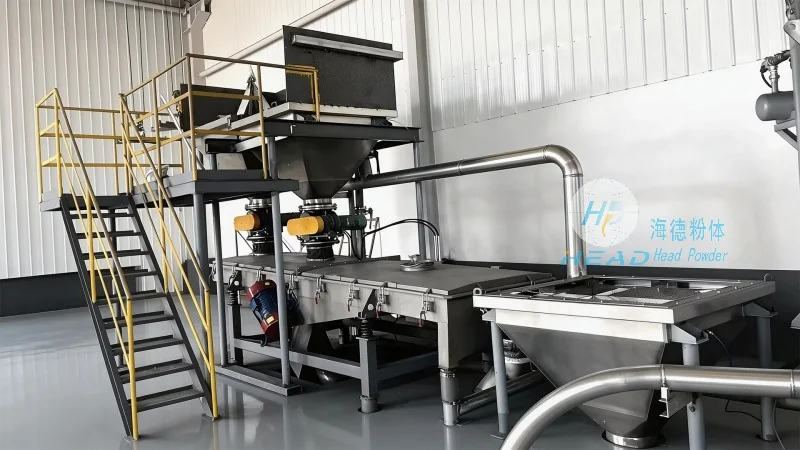
Conclusion: Ensuring Safety and Compliance with Dust Leakage Prevention
Preventing dust leakage in pneumatic conveying systems for asbestos powder is a multifaceted challenge that requires a combination of robust system design, proper operation, and regular maintenance. HeadPowder, with its expertise and commitment to safety, provides comprehensive solutions that address these challenges effectively. By implementing the strategies outlined in this article, businesses can ensure that their asbestos powder handling processes are safe, compliant, and efficient. HeadPowder’s team of experts is available to assist with the design, installation, and maintenance of dust leakage prevention systems, helping clients achieve their safety and operational goals. For more information on HeadPowder’s pneumatic conveying solutions, please contact us at our office in Shandong, China.