
Shandong Headpowder Engineering Co., Ltd. specializes in powder & pellet pneumatic conveying. With industry‑university‑research strengths, we deliver sealed, dust‑free and precise conveying solutions.
Your current position:首页 >> Solutions >> Conveying Solutions for Rubber & Plastic Industry
Pneumatic Conveying Solution for Clay Powder
简介:
  • Clay powder, widely used in ceramics, construction, and industrial fillers, presents unique handling...
WeChat
details
recommend

Clay powder, widely used in ceramics, construction, and industrial fillers, presents unique handling challenges due to its fine particle size, moisture sensitivity, and tendency to agglomerate. Pneumatic conveying offers a reliable, enclosed, and dust-free method for transporting clay powder from storage to processing points. This article provides a comprehensive overview of clay powder pneumatic conveying solutions, covering system design, equipment selection, and engineering considerations. The information is based on the expertise of Shandong Haide Powder Engineering Co., Ltd., a professional manufacturer and engineering provider specializing in clay powder pneumatic conveying systems.

Pneumatic Conveying Solution for Clay Powder

What is Clay Powder Pneumatic Conveying?

Pneumatic conveying uses air flow to move bulk materials through pipelines. For clay powder, the system typically employs either dilute phase or dense phase conveying, depending on the material properties and required throughput. The process involves feeding clay powder into a conveying line, where compressed air or a vacuum creates the necessary velocity to suspend and transport the particles. The conveyed material is then separated from the air stream at the destination using cyclones, bag filters, or other dust collection equipment. A well-designed clay powder pneumatic conveying system ensures minimal degradation, reduced energy consumption, and consistent material flow.

Key Components of a Clay Powder Pneumatic Conveying System

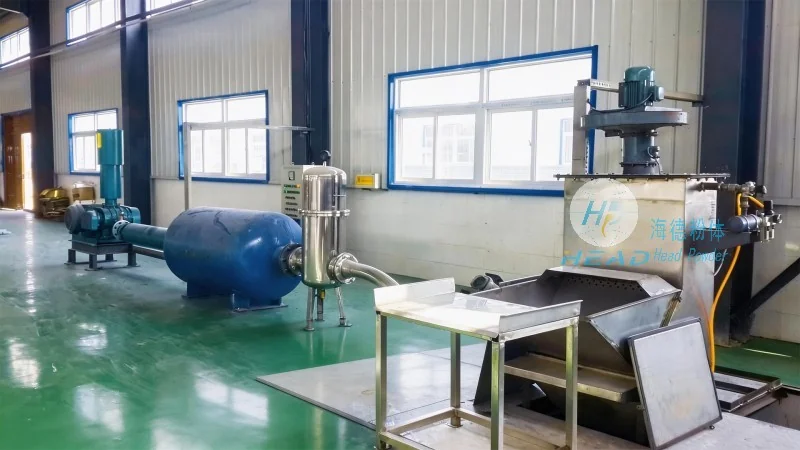
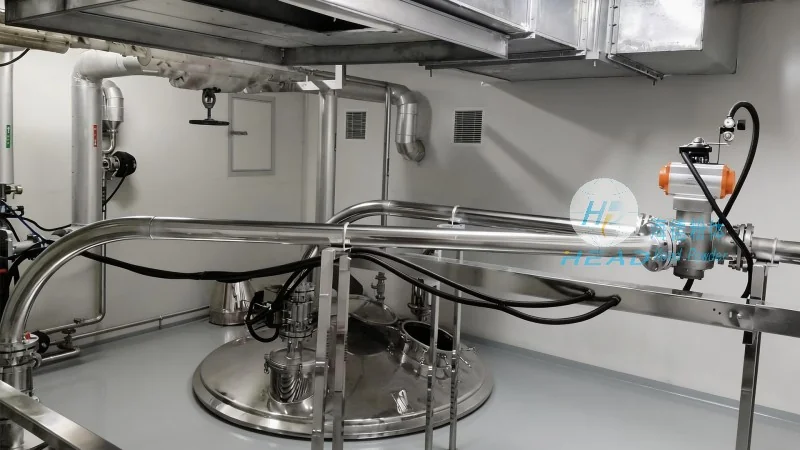
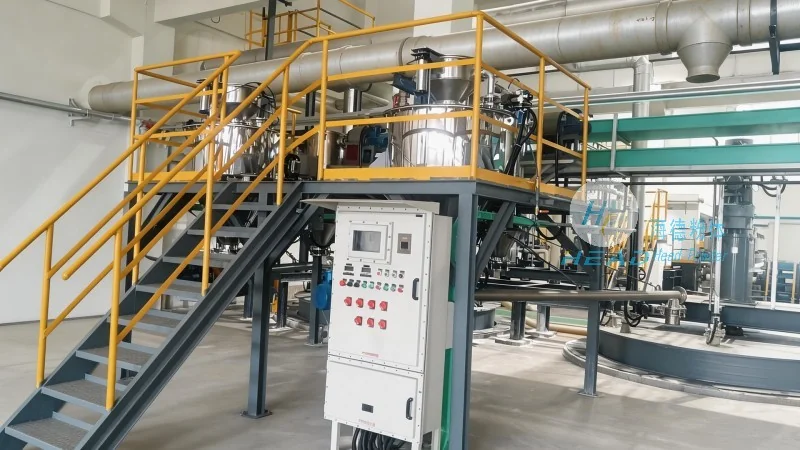
A complete clay powder conveying system includes several critical components: a rotary airlock feeder or screw feeder for controlled material entry, a blower or compressor for air supply, conveying pipelines with appropriate bends and diameter, and a separation device at the discharge point. Additionally, instrumentation such as pressure sensors, flow meters, and level indicators helps monitor system performance. The material handling properties of clay powder—such as bulk density, angle of repose, and abrasiveness—directly influence the choice of these components. For example, abrasive clay powders may require wear-resistant pipe materials like ceramic-lined steel or hardened steel.

Clay Powder Pneumatic Conveying Manufacturer – Haide Powder

Shandong Haide Powder Engineering Co., Ltd. is a leading clay powder pneumatic conveying manufacturer with years of experience in designing and installing customized conveying solutions. The company offers a full range of services, from initial feasibility studies to turnkey project delivery. Their engineering team analyzes material characteristics, plant layout, and production requirements to develop optimal conveying schemes. As a dedicated clay powder pneumatic conveying manufacturer, Haide Powder ensures that each system meets strict quality standards, including dust tightness, explosion protection, and long service life. For inquiries, you may contact Manager Zhang at 15662777102.

Pneumatic Conveying Solution for Clay Powder

Clay Powder Conveying Engineering Design

Professional clay powder conveying engineering design is essential to achieve high efficiency and reliability. The design process begins with material testing: determining the particle size distribution, moisture content, bulk density, and flowability of the specific clay powder. Based on these parameters, engineers calculate the required air velocity, pressure drop, and pipeline diameter. They also consider the conveying distance, elevation changes, and number of bends. A well-executed clay powder conveying engineering design accounts for potential issues such as pipeline blockages, material degradation, and dust emissions. Shandong Haide Powder Engineering Co., Ltd. provides comprehensive design documentation, including P&ID diagrams, layout drawings, and control system specifications. With their expertise, clients receive a turnkey solution that integrates seamlessly with existing production lines.

Advantages of Using a Clay Powder Pneumatic Conveying System

Compared to mechanical conveyors like belt conveyors or screw conveyors, a clay powder pneumatic conveying system offers several distinct advantages. First, the enclosed pipeline prevents dust leakage, protecting worker health and the environment. Second, the system can be routed flexibly around obstacles, utilizing vertical and horizontal runs. Third, pneumatic conveying is ideal for multiple discharge points, enabling distribution to various silos or process machines. Fourth, the absence of moving parts in the conveying line reduces maintenance requirements. Additionally, automated control allows precise regulation of feed rate and air flow, improving product consistency. These benefits make pneumatic conveying the preferred choice for many clay powder handling applications.

Tailored Solutions for Different Clay Powder Applications

Different industries require different conveying approaches. For example, in ceramic tile manufacturing, clay powder must be mixed with other raw materials in precise proportions, demanding a reliable metering system. In the paint and coating industry, clay powder is often used as a thickener, requiring gentle handling to avoid agglomeration. In foundry applications, clay powder is used as a binder, and the conveying system must maintain consistent moisture content. Haide Powder's team customizes each clay powder conveying system to match the specific application, using either vacuum or pressure conveying, and selecting appropriate feeder types. The company's experience across diverse sectors ensures that even challenging materials like ultra-fine clay powders can be conveyed efficiently.

How to Select the Right Clay Powder Pneumatic Conveying Supplier

Choosing a reliable clay powder pneumatic conveying supplier is crucial for project success. Key factors to evaluate include the supplier's track record, engineering capabilities, after-sales support, and willingness to provide test runs. Shandong Haide Powder Engineering Co., Ltd. stands out as a trusted partner, offering complete project management from design to commissioning. The company's engineers are available for site visits and technical consultations. For detailed proposals or to discuss your specific conveying needs, please contact Manager Zhang at 15662777102. Haide Powder also provides spare parts and maintenance services, ensuring long-term system performance.

Pneumatic Conveying Solution for Clay Powder

Installation and Commissioning of Clay Powder Pneumatic Conveying Systems

Proper installation and commissioning are vital to realize the full benefits of a clay powder pneumatic conveying system. Haide Powder's team oversees the entire installation process, including pipeline assembly, electrical wiring, and control system integration. During commissioning, the system is tested under actual operating conditions to verify air flow, pressure, and material throughput. Any adjustments to feeder speed, air pressure, or valve timing are made to optimize performance. Training is provided to plant operators on routine operation, troubleshooting, and maintenance. This comprehensive approach minimizes downtime and ensures that the clay powder conveying system performs exactly as designed.

Maintenance and Troubleshooting Tips for Clay Powder Conveying Systems

To maintain peak efficiency, regular inspection of the clay powder conveying system is recommended. Common maintenance tasks include checking air filters, cleaning dust collectors, inspecting wear at pipe bends, and lubricating rotary airlocks. Operators should monitor pressure drop across the system, as a sudden increase may indicate a blockage or filter clogging. If material buildup occurs, reducing air velocity or adjusting feed rate can help. For more complex issues, Haide Powder's technical support team is available to assist. Their service engineers can diagnose problems remotely or on-site, ensuring minimal production interruption. With proper care, a clay powder pneumatic conveying system can operate reliably for many years.

Conclusion

Clay powder pneumatic conveying is a proven, efficient, and environmentally friendly method for handling this fine material. Shandong Haide Powder Engineering Co., Ltd. offers comprehensive solutions including equipment supply, engineering design, system integration, and after-sales support. Whether you are a small ceramic workshop or a large industrial plant, a customized clay powder conveying system can improve your material handling efficiency while reducing dust and waste. For more information or to request a quotation, please reach out to Manager Zhang at 15662777102. Haide Powder is committed to delivering high-quality, reliable pneumatic conveying systems tailored to your specific requirements.

Copyright © Shandong Headpowder Engineering Co., Ltd. All Rights Reserved.    Publicity of business license

top