

Several Solutions for Bulk Material Pneumatic Conveying
When it comes to transporting dry bulk materials efficiently and safely, selecting the right pneumatic conveying system is crucial. Shandong HeadPowder Engineering Co., Ltd. offers a range of innovative solutions tailored to meet diverse industrial needs. This article explores several effective approaches for bulk material pneumatic conveying, highlighting key considerations and applications.
Understanding Pneumatic Conveying Systems
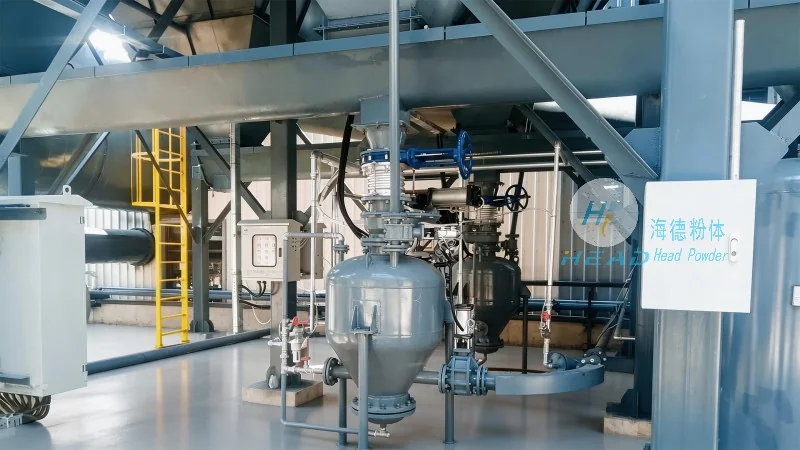
Pneumatic conveying systems use air or other gases to transport dry bulk materials through a pipeline. These systems are widely used in industries such as food processing, pharmaceuticals, chemicals, and mining due to their ability to handle a variety of materials while maintaining hygiene and minimizing product degradation. The choice of system depends on factors like material characteristics, distance, and required flow rates.
Key Factors in Selecting a Conveying Solution
Before implementing a pneumatic conveying system, several factors must be considered. Material properties, including particle size, density, and moisture content, significantly impact system design. The distance between the source and destination, as well as the required throughput, also influence the selection. Additionally, operational requirements like dust control, energy efficiency, and maintenance ease are critical for long-term success.
Option 1: Positive Pressure Conveying
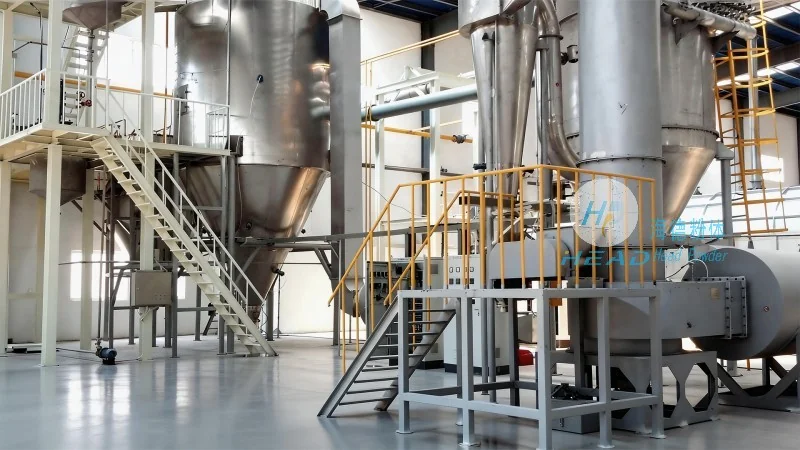
Positive pressure conveying systems operate by blowing air or gas into the pipeline, creating positive pressure that moves material forward. This method is ideal for short to medium distances and applications where the material is non-abrasive or has low dust generation. The system typically includes a blower, a hopper, and a discharge point, with air being recirculated to maintain efficiency. Positive pressure systems are known for their simplicity and low maintenance, making them a popular choice for many industries.
Option 2: Negative Pressure (Vacuum) Conveying
Negative pressure or vacuum conveying systems create a vacuum in the pipeline, drawing material from the source to the receiver. This approach is suitable for longer distances and materials that are prone to dust or require gentle handling. The system consists of a vacuum pump, a hopper, and a filter to capture particles. Negative pressure systems are effective for handling fine powders and can be configured for both horizontal and vertical transport. However, they may require more complex filtration and higher energy consumption compared to positive pressure systems.
Option 3: Hybrid Conveying Systems
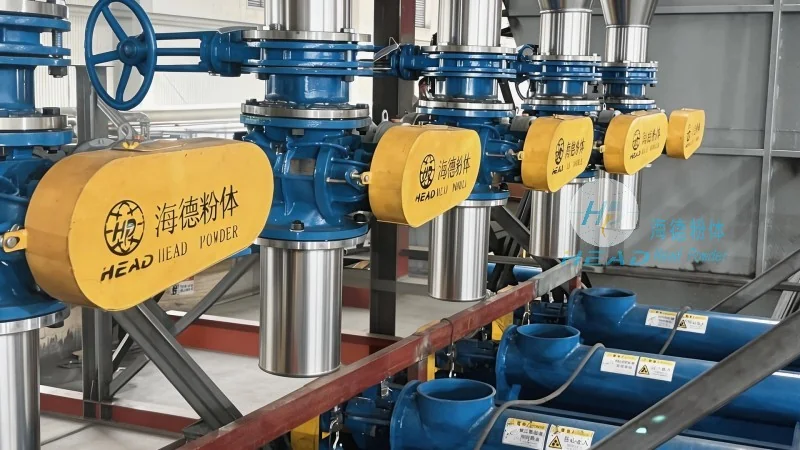
Hybrid systems combine elements of both positive and negative pressure, offering flexibility for complex material handling scenarios. These systems use a combination of blowers and vacuum pumps to optimize performance. For example, a hybrid system might use positive pressure to move material over short horizontal distances and then switch to negative pressure for vertical lifts or longer horizontal runs. This approach allows for efficient transport of materials with varying characteristics, making it suitable for large-scale operations.
Advantages of Pneumatic Conveying Solutions
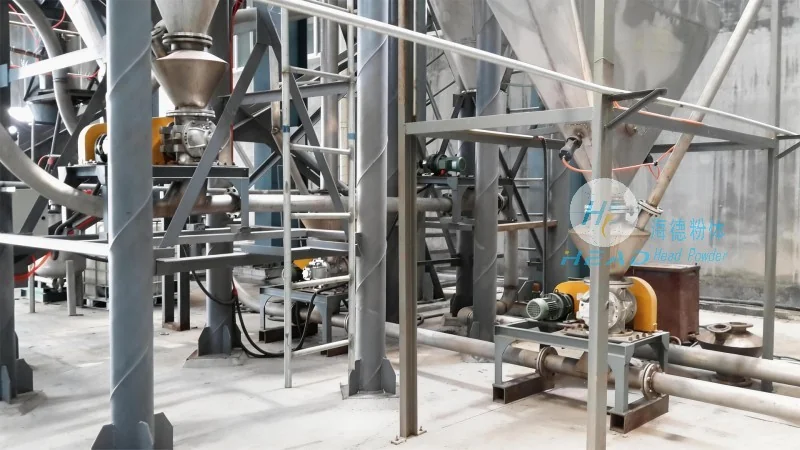
Shandong HeadPowder Engineering Co., Ltd. specializes in providing customized pneumatic conveying solutions that offer several advantages over traditional methods. These include reduced labor costs, improved safety by eliminating manual handling, and enhanced product quality through controlled transport. Additionally, pneumatic systems can be integrated with other processing equipment, streamlining production workflows and increasing overall efficiency.
Customization and Application Examples
Each pneumatic conveying solution from HeadPowder is tailored to specific customer requirements. For instance, in the food industry, systems are designed to meet sanitary standards and prevent cross-contamination. In the chemical sector, materials are handled with appropriate filtration and explosion-proof features. The company's expertise in material science and engineering ensures that the chosen system maximizes performance while minimizing downtime and maintenance needs.