

Several Solutions for Caustic Soda Pneumatic Conveying
Caustic soda, also known as sodium hydroxide, is a widely used chemical in various industrial processes, including manufacturing, water treatment, and chemical synthesis. The efficient and safe transportation of caustic soda is crucial for industrial operations, and pneumatic conveying systems offer a reliable solution. This article explores several effective methods for caustic soda pneumatic conveying, highlighting the advantages and considerations of each approach, with insights from Shandong HeadPowder Engineering Co., Ltd., a leading provider of industrial material handling solutions based in Shandong, China.
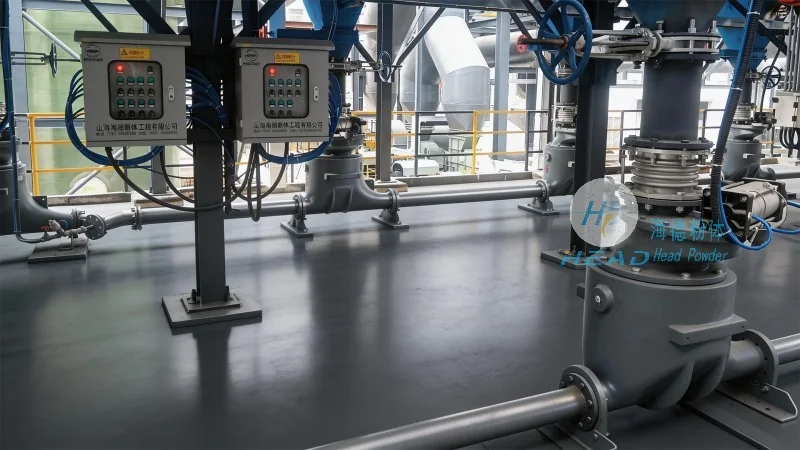
Overview of Pneumatic Conveying Systems
Pneumatic conveying systems transport bulk materials like caustic soda using air or other gases as the conveying medium. These systems are categorized into two main types: positive pressure and negative pressure systems. Each type has distinct characteristics that make it suitable for different applications and operational requirements.
Option 1: Positive Pressure Pneumatic Conveying
Positive pressure pneumatic conveying systems operate by blowing air or gas into the material to be conveyed, creating a positive pressure inside the conveying line. This method is often preferred for long-distance or high-capacity applications due to its ability to handle larger volumes and maintain consistent flow rates. The system typically includes a blower, a hopper, and a conveying line, with the material being fed into the system under pressure.
For caustic soda applications, positive pressure systems are particularly effective when dealing with large quantities of material that need to be transported over significant distances. The continuous flow and high pressure ensure that the material moves efficiently without clogging or degradation. Additionally, these systems can be equipped with dust collection and filtration equipment to maintain a clean and safe working environment.
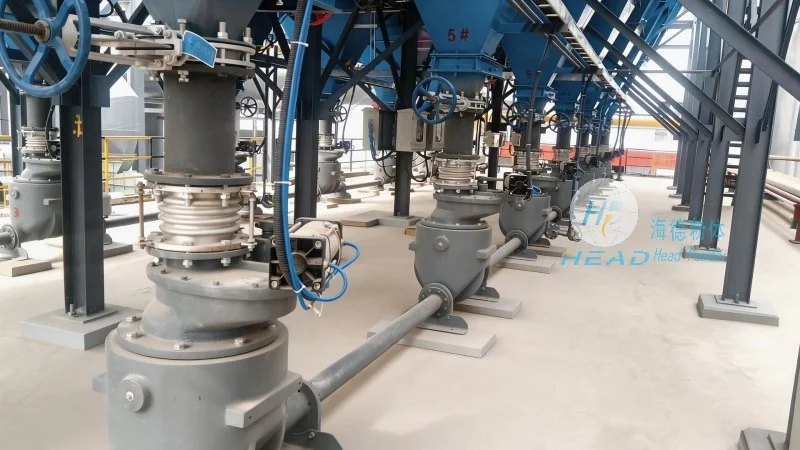
Option 2: Negative Pressure Pneumatic Conveying
Negative pressure pneumatic conveying systems, also known as vacuum systems, operate by creating a vacuum in the conveying line to draw material from the source. This method is suitable for shorter distances and applications where the material needs to be transported from a lower elevation to a higher one. The system consists of a vacuum pump, a hopper, and a conveying line, with the material being drawn into the system under reduced pressure.
In caustic soda handling, negative pressure systems are often used in processes where the material is being transferred from a storage tank or silo to a processing unit. The vacuum created helps in maintaining a controlled flow rate and prevents dust emissions. These systems are also beneficial in environments where dust control is a priority, as the material is drawn into the system rather than being expelled.
Option 3: Hybrid Pneumatic Conveying Systems
Hybrid pneumatic conveying systems combine elements of both positive and negative pressure systems to offer flexibility and efficiency. These systems can operate in either positive or negative pressure mode, depending on the specific requirements of the application. This versatility makes them suitable for complex conveying tasks that involve multiple transfer points or varying distances.
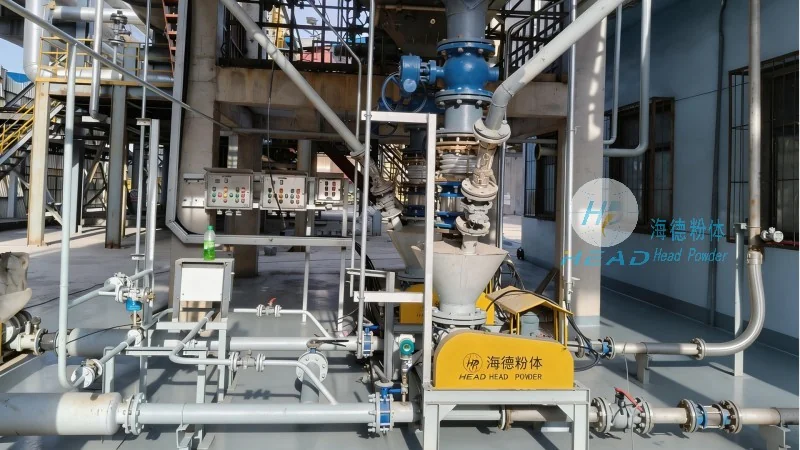
For caustic soda transportation, hybrid systems are advantageous when dealing with variable production rates or when the material needs to be transferred to different destinations. The ability to switch between pressure modes allows for optimized energy consumption and reduced operational costs. Additionally, hybrid systems can be integrated with other process equipment, such as mixers or reactors, to create a seamless material handling workflow.
Key Considerations for Caustic Soda Pneumatic Conveying
When selecting a pneumatic conveying system for caustic soda, several factors must be considered to ensure optimal performance and safety. These include the material's properties, such as its moisture content, particle size, and reactivity, as well as the system's capacity and distance requirements. The choice of system also depends on the operational environment, including the need for dust control and environmental compliance.
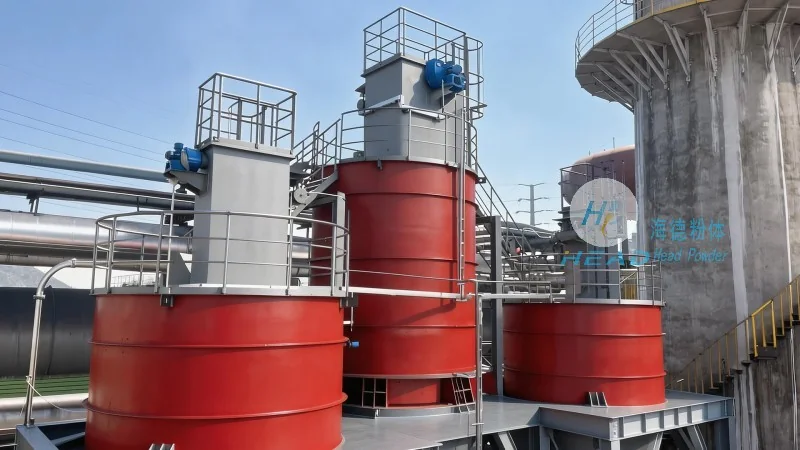
Material properties play a critical role in determining the most suitable conveying method. For example, caustic soda with high moisture content may require additional drying steps before being conveyed to prevent clogging or corrosion. Similarly, the particle size distribution affects the system's efficiency, as larger particles may need higher pressure to move through the line. Understanding these properties helps in selecting the appropriate equipment and ensuring the system operates effectively.
System Components and Maintenance
Both positive and negative pressure pneumatic conveying systems consist of several key components that work together to ensure efficient material transport. These components include hoppers, feeders, conveying lines, and air or gas handling equipment. Proper maintenance of these components is essential to prevent system downtime and ensure long-term reliability.
For caustic soda systems, regular maintenance is crucial due to the material's corrosive nature. Components such as hoppers, feeders, and conveying lines should be made of materials resistant to caustic soda, such as stainless steel or special alloys. Regular cleaning and inspection of these parts help prevent corrosion and maintain the system's performance. Additionally, the air or gas handling equipment, including blowers or vacuum pumps, should be checked for wear and tear to ensure consistent pressure and flow rates.