

Key Design Considerations for Sand and Gravel Pneumatic Conveying System Solutions
For construction and mining operations, efficient material handling is crucial to maintaining productivity and operational efficiency. HeadPowder, a leading engineering firm specializing in material handling systems, emphasizes the importance of meticulous planning and design in achieving optimal performance. This article outlines key considerations for designing a sand and gravel pneumatic conveying system, ensuring reliability, efficiency, and cost-effectiveness.
System Selection: Choosing the Right Conveying Principle
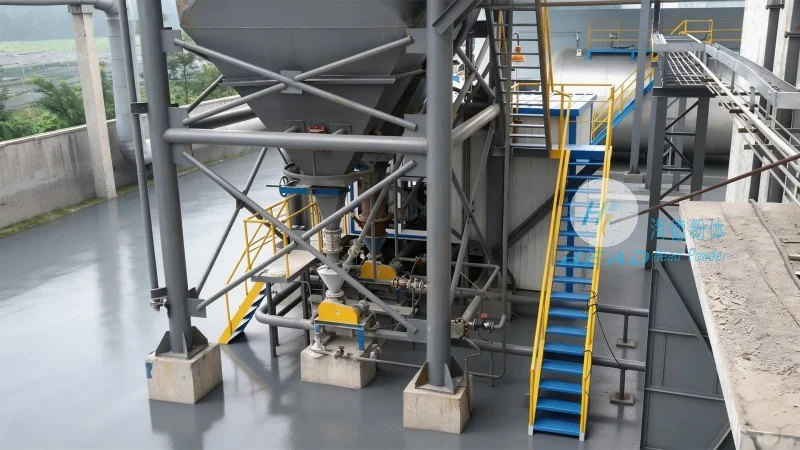
When designing a pneumatic conveying system for sand and gravel, the first critical decision is selecting the appropriate conveying principle. Two primary types are commonly used: positive pressure and negative pressure systems. Positive pressure systems, which blow air into the system to move material, are generally preferred for sand and gravel due to their ability to handle abrasive materials and maintain consistent flow rates. Negative pressure systems, on the other hand, draw material into the system using suction, which can be more suitable for lighter or less abrasive materials but may require more complex filtration and maintenance. The choice between these systems depends on factors such as material characteristics, distance to be conveyed, and the need for dust control. A well-designed system must balance these factors to ensure reliable operation and minimize downtime.
Pressure Selection: Balancing Power and Efficiency
Pressure is a fundamental parameter in pneumatic conveying systems. For sand and gravel, the pressure must be sufficient to overcome friction losses in the pipeline and lift the material to the desired height. Typically, positive pressure systems operate at pressures ranging from 0.5 to 2.5 bar, depending on the distance and material properties. Higher pressures can increase conveying capacity but may also lead to higher energy consumption and equipment costs. Conversely, lower pressures may result in reduced efficiency or even system failure. The optimal pressure level is determined through careful calculations, considering the pipeline length, diameter, material density, and the required flow rate. Accurate pressure selection is essential to avoid underperformance or excessive energy use, which can impact the overall operational costs of the system.
Pipeline Design: Ensuring Smooth Material Flow
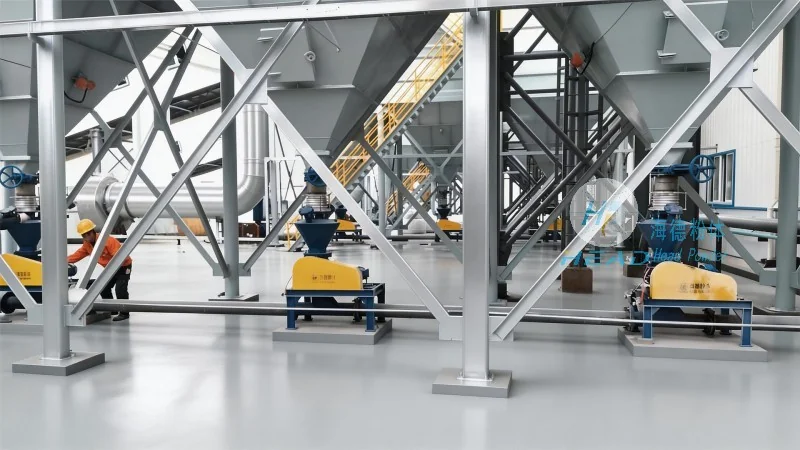
The design of the conveying pipeline is another critical aspect of system performance. The pipeline diameter, material, and layout directly influence the system's efficiency and longevity. For sand and gravel, larger diameter pipes (typically 100 mm to 300 mm) are often used to minimize friction losses and prevent material buildup. The material of the pipeline, such as stainless steel or high-density polyethylene (HDPE), must be selected based on the abrasive nature of the sand and gravel. Stainless steel is preferred for its durability and resistance to corrosion, while HDPE is a cost-effective option for less abrasive applications. The pipeline layout should be designed to minimize bends and changes in direction, as these can cause turbulence and increase pressure drop. Additionally, proper support and alignment of the pipeline are necessary to prevent sagging or stress on the system components. A well-designed pipeline ensures smooth material flow, reduces wear on equipment, and extends the system's service life.
Equipment Selection: Matching Components to Application
Choosing the right equipment components is vital to the success of a sand and gravel pneumatic conveying system. Key components include the blower or compressor, feeders, cyclones, and control valves. The blower or compressor must be capable of delivering the required pressure and airflow at the specified capacity. For sand and gravel, high-pressure blowers with robust construction are recommended to withstand the abrasive nature of the material. Feeders, such as rotary valves or screw feeders, are used to introduce material into the system at a controlled rate, preventing blockages and ensuring consistent flow. Cyclones are essential for separating the conveyed material from the air stream, allowing for material recovery and dust control. The selection of these components should be based on the system's design parameters, including pressure, flow rate, and material characteristics. Properly matched equipment ensures efficient operation, reduces maintenance requirements, and enhances the overall performance of the system.
Material Handling and Dust Control: Ensuring Safety and Compliance
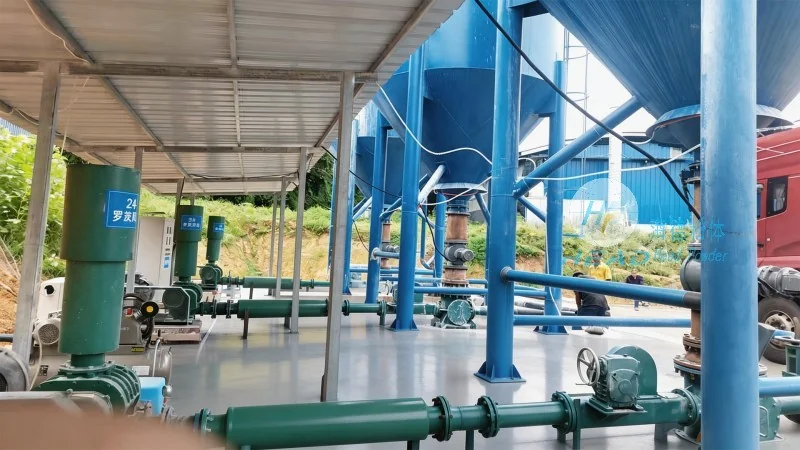
Effective material handling and dust control are critical for maintaining a safe and compliant working environment. Sand and gravel are often abrasive and can generate significant dust during conveying. To mitigate these issues, the system should incorporate dust collection and filtration systems. Cyclones and baghouses are commonly used to separate dust from the air stream, with the collected material being returned to the system or disposed of as needed. Additionally, proper sealing of the system components, such as feeders and discharge points, is essential to prevent dust leakage and maintain air quality. The design should also consider the need for explosion-proof equipment in areas where flammable dust may be present. By implementing effective dust control measures, the system not only improves safety but also reduces the risk of equipment damage and operational disruptions.
System Integration and Maintenance: Ensuring Long-Term Performance
Integrating the pneumatic conveying system with other processes and ensuring regular maintenance are essential for long-term performance and reliability. The system should be designed to interface with existing equipment, such as crushers or storage silos, to create a seamless material handling workflow. Regular maintenance, including cleaning of filters, checking for wear on components, and monitoring pressure and flow rates, is necessary to prevent system failures and extend the life of the equipment. A well-designed maintenance plan should be included in the system's documentation to ensure that all components are inspected and serviced as needed. By integrating the system effectively and maintaining it properly, the operation can achieve consistent performance, minimize downtime, and maximize the return on investment.