

Key Design Considerations for Urea Pneumatic Conveying System Solutions
Urea, a critical nitrogen fertilizer, is widely used in agricultural and industrial applications. Efficient and reliable transportation of urea from production sites to storage or distribution centers is essential for maintaining supply chain integrity. Pneumatic conveying systems offer a versatile solution for handling urea, leveraging air pressure to move material through pipelines. This article outlines key design considerations for developing effective urea pneumatic conveying system solutions.
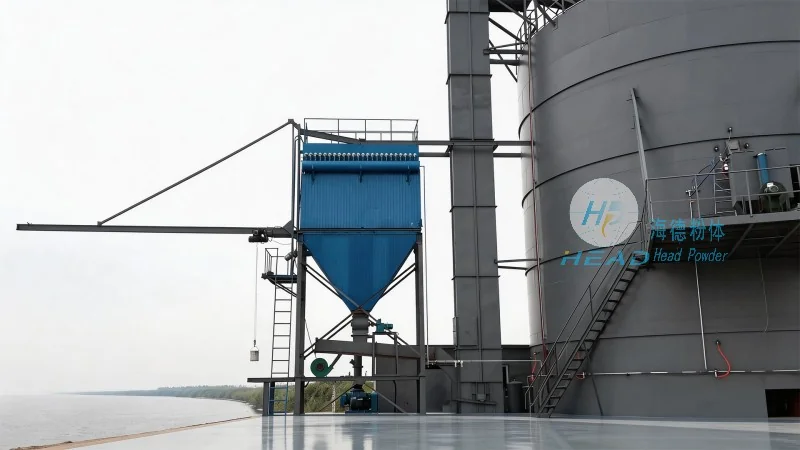
Key Design Considerations for Efficient Urea Handling
When designing a urea pneumatic conveying system, several critical factors must be addressed to ensure optimal performance, safety, and longevity. The first consideration is the material's physical properties, such as particle size, density, and flowability. Urea particles typically range from fine powders to granules, which can impact system pressure requirements and equipment selection. For instance, finer particles may require higher air velocities to prevent blockages, while larger granules might necessitate larger diameter pipelines and more robust pumps. Additionally, the system must account for urea's hygroscopic nature, as moisture absorption can affect material flow and equipment performance. Proper moisture control and material conditioning are therefore essential design elements.
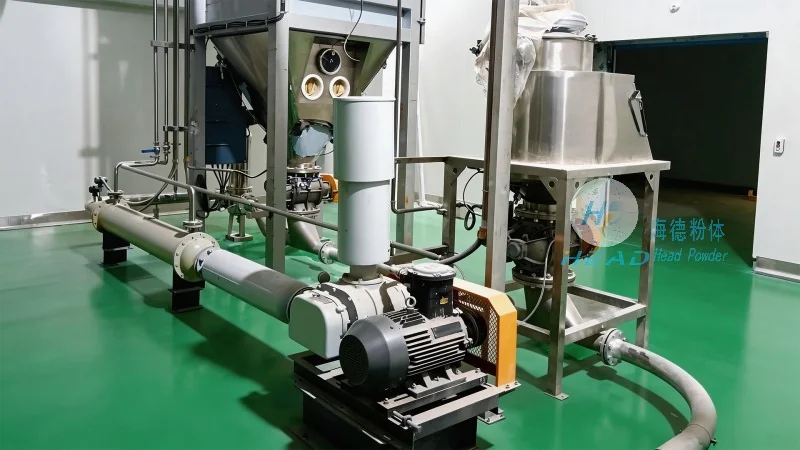
System Components and Their Roles
A urea pneumatic conveying system consists of several interconnected components, each playing a vital role in the overall operation. The primary components include the material feed hopper, which stores and feeds urea into the system; the air compressor or blower, which generates the necessary air pressure to move the material; the conveying pipeline, which transports urea from the feed point to the discharge point; and the receiver or storage tank, where the material is collected. The feed hopper is typically equipped with a rotary valve or feeder to control the material flow rate, ensuring consistent operation. The air compressor must be sized appropriately to handle the system's pressure and flow demands, with options including positive displacement blowers or centrifugal compressors. The pipeline design is critical, as it must withstand the pressure and temperature of the conveying process, with materials like stainless steel or special alloys often used to prevent corrosion from urea's acidic properties. The receiver is designed to collect the conveyed urea and may include a level indicator and discharge valve for downstream processing.
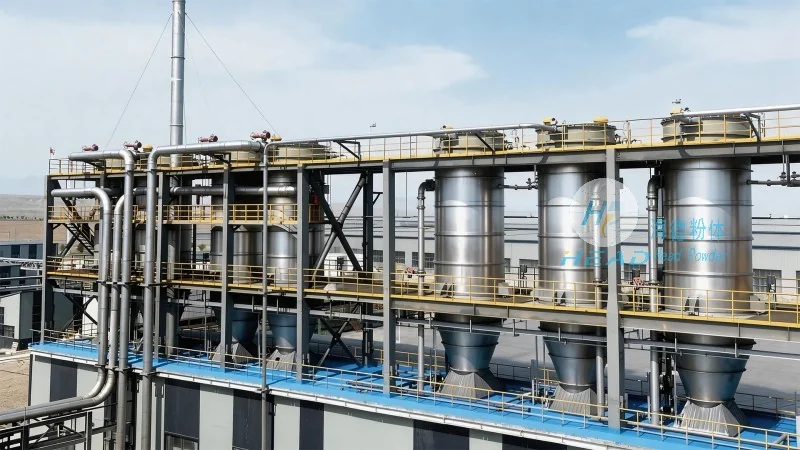
Operational Efficiency and Safety Features
Efficiency and safety are paramount in urea pneumatic conveying systems. To maximize operational efficiency, the system should be designed with minimal pressure drop and energy consumption. This can be achieved through proper pipeline sizing, avoiding sharp bends or narrow sections that could cause blockages or excessive energy use. Additionally, the use of air filtration and moisture control systems helps maintain consistent material flow and prevents equipment wear. Safety features are equally important, as urea is a hazardous material if not handled properly. The system should include explosion-proof components, such as air compressors and valves, to prevent fire or explosion risks. Furthermore, dust suppression systems and proper ventilation are necessary to maintain a safe working environment, as urea dust can be harmful if inhaled. Regular maintenance and monitoring of system parameters, such as pressure and flow rates, are also essential to ensure long-term safety and efficiency.
Customization and Scalability Options
Urea pneumatic conveying systems are often customized to meet specific client requirements, including capacity, distance, and material characteristics. Scalability is a key advantage, as systems can be expanded or modified to accommodate increased production or changing operational needs. For example, a small-scale system for a local fertilizer plant can be upgraded to a larger system for a regional distribution center by adding additional pipelines, compressors, or feed hoppers. Customization may also involve integrating the system with existing infrastructure, such as storage tanks or processing equipment, to ensure seamless operation. The ability to adapt to different urea types, such as granular or prilled urea, is another important consideration, as different formulations may require adjustments to system parameters. By offering flexible and scalable solutions, companies can provide tailored systems that meet the unique needs of their clients.
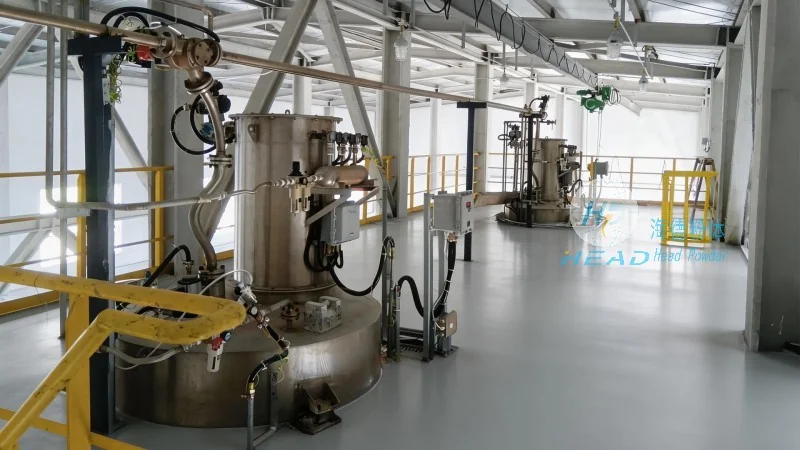
Company Profile and Expertise
Shandong HeadPowder Engineering Co., Ltd., operating under the brand name headpowder, specializes in the design and implementation of advanced pneumatic conveying systems for various bulk materials, including urea. With a strong focus on engineering excellence and customer satisfaction, the company has developed a reputation for delivering high-quality, reliable solutions. HeadPowder's team of experienced engineers and technicians brings extensive knowledge of material handling and pneumatic systems, ensuring that each project is tailored to meet specific client needs. The company's facilities in Shandong, China, are equipped with state-of-the-art design tools and testing equipment, enabling precise system modeling and performance validation. HeadPowder's commitment to innovation and quality has enabled it to serve a diverse range of industries, from agriculture to chemical manufacturing, and has established it as a trusted partner in bulk material handling solutions. By leveraging its expertise and local presence, headpowder provides comprehensive support, from initial system design to long-term maintenance and optimization.