

Design Considerations for Cotton Seed Pneumatic Conveying System Solutions
HeadPowder, a leading engineering firm based in Shandong, China, specializes in the design and implementation of advanced pneumatic conveying systems tailored for cotton seed processing applications. This article outlines key design considerations for developing efficient and reliable cotton seed pneumatic conveying solutions, ensuring optimal performance and longevity in industrial settings.
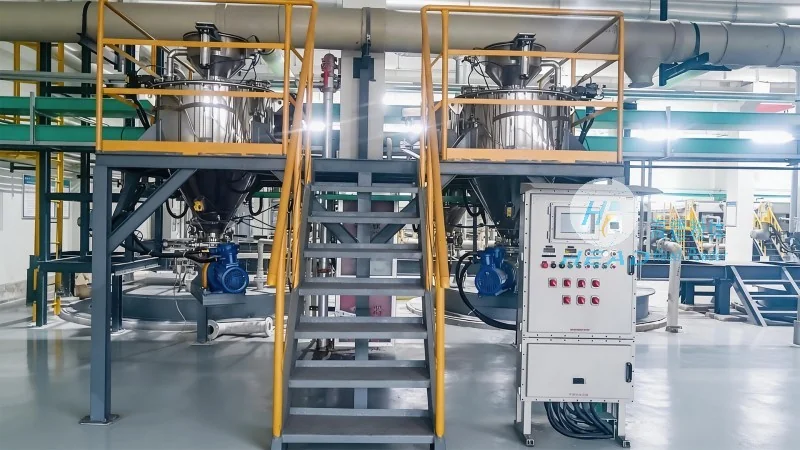
Cotton Seed Pneumatic Conveying System Overview
A pneumatic conveying system for cotton seeds involves the use of air to transport the material from one location to another within a processing facility. This method offers several advantages over traditional mechanical conveying, including reduced equipment wear, lower maintenance costs, and the ability to handle a wide range of particle sizes and moisture content. The core components of such a system typically include a material hopper, a rotary airlock feeder, a positive displacement blower or vacuum pump, conveying pipes, and a discharge receiver. Each component plays a critical role in ensuring the system operates smoothly and efficiently.
Key Design Considerations for Cotton Seed Pneumatic Conveying
When designing a cotton seed pneumatic conveying system, several factors must be carefully evaluated to achieve optimal performance. The first consideration is the system's pressure and flow rate requirements. The choice between positive pressure and negative pressure systems depends on the distance and elevation changes between the source and destination points. For longer conveying distances or significant vertical lifts, a positive pressure system using a blower is often preferred, as it can maintain consistent air pressure and prevent material degradation. Conversely, negative pressure systems using a vacuum pump are suitable for shorter distances or when the material needs to be drawn from a lower elevation.
Another critical design aspect is the selection of the appropriate conveying line material and diameter. Cotton seeds are relatively light and have a tendency to create dust, which can affect the system's efficiency and require proper filtration. Stainless steel or PVC pipes are commonly used due to their corrosion resistance and ability to handle abrasive particles. The pipe diameter is determined by the material's bulk density, flow rate, and the required air velocity to prevent particle settling. Proper air velocity is essential to maintain a consistent flow and avoid blockages or material degradation.
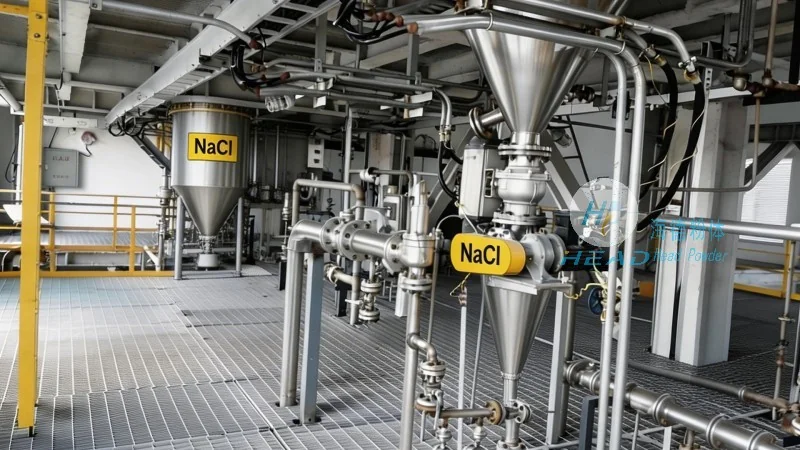
The material hopper and feeder design is also crucial for system performance. The hopper must be designed to minimize material bridging and ensure a consistent feed rate. A rotary airlock feeder is typically used to control the flow of cotton seeds from the hopper into the conveying line, preventing backflow and maintaining system pressure. The feeder's speed and capacity must be matched to the system's flow rate requirements to avoid overloading or underloading the system.
System Integration and Control
Effective integration of the pneumatic conveying system with other processing equipment is essential for seamless operation. The system should be equipped with sensors and control devices to monitor pressure, flow rate, and material levels. This allows for real-time adjustments to maintain optimal performance and prevent system failures. For example, pressure sensors can detect blockages or leaks, triggering alarms or automatic shutdowns to prevent further damage. Flow rate sensors help ensure consistent material delivery to downstream processes, such as oil extraction or storage.
Maintenance and Operational Considerations
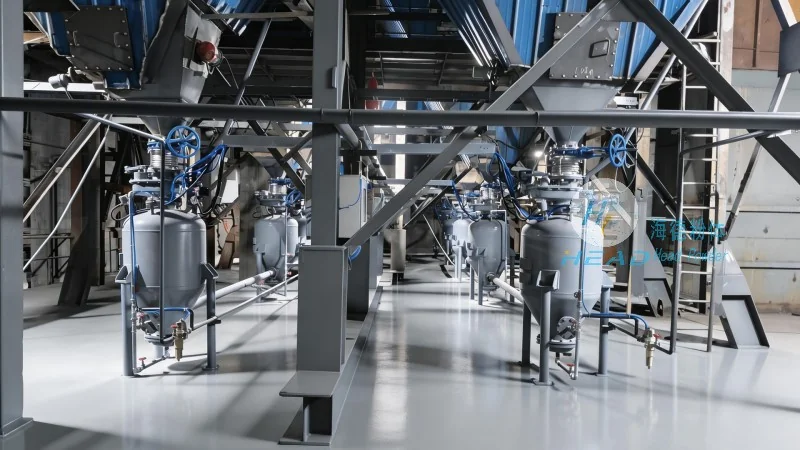
Proper maintenance is vital to ensure the long-term reliability and efficiency of a cotton seed pneumatic conveying system. Regular cleaning of the conveying lines and hopper is necessary to prevent dust accumulation and material buildup, which can reduce system performance and increase maintenance costs. The rotary airlock feeder and blower components should be inspected regularly for wear and tear, with replacement parts kept on hand as needed. Additionally, the system should be designed with easy access points for maintenance personnel to facilitate routine checks and repairs.
Application in Cotton Seed Processing
Cotton seed pneumatic conveying systems are widely used in cotton seed processing facilities for tasks such as transporting seeds from storage silos to processing equipment, moving seeds between stages of oil extraction, and delivering seeds to storage bins. The efficiency of these systems directly impacts the overall productivity of the processing plant. By ensuring consistent and reliable material transport, the system helps maintain production schedules and reduces downtime caused by material handling issues.
Conclusion
Designing an effective cotton seed pneumatic conveying system requires careful consideration of various factors, including pressure and flow rate requirements, material handling characteristics, and system integration. By addressing these considerations and adhering to best practices in system design and maintenance, industrial facilities can achieve efficient, reliable, and cost-effective material transport solutions. HeadPowder, with its expertise in engineering and manufacturing, offers tailored solutions that meet the specific needs of cotton seed processing applications, ensuring optimal performance and long-term operational success.