

Detailed Explanation of Grain Pneumatic Conveying Systems
Grain pneumatic conveying systems represent a sophisticated and efficient method for transporting bulk materials, particularly grains and other agricultural products. These systems utilize air pressure to move materials through a network of pipes, offering advantages such as reduced contamination, improved hygiene, and enhanced operational flexibility. The technology has become increasingly vital in modern agricultural and food processing industries, enabling seamless material handling from storage to processing and distribution stages.
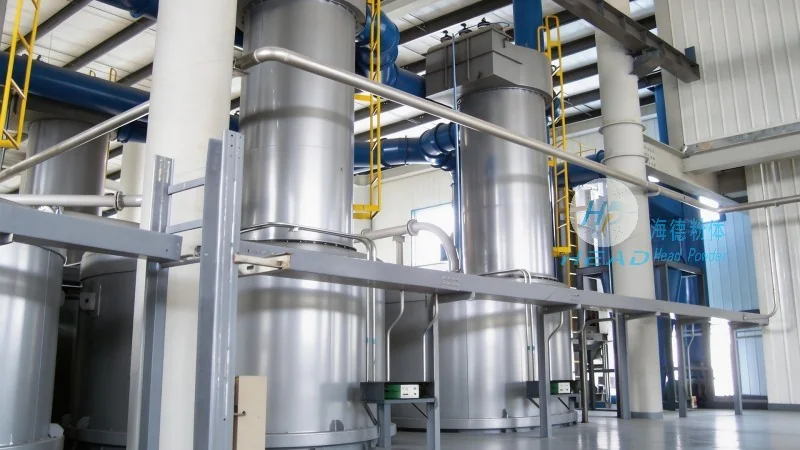
Key Components of a Typical Grain Pneumatic Conveying System
A grain pneumatic conveying system typically consists of several core components that work in tandem to ensure efficient material transport. The primary components include a hopper or feeder for material loading, a blower or air compressor to generate the necessary air pressure, a conveying line (often made of stainless steel or other corrosion-resistant materials) to transport the material, and a receiver or discharge point for material unloading. Additionally, systems may incorporate accessories like filters, cyclones, and dust collectors to manage air quality and prevent material loss. Each component plays a critical role in maintaining system performance and ensuring the safe and efficient handling of grain products.
Types of Pneumatic Conveying Systems
There are primarily two types of pneumatic conveying systems used in grain handling: dilute-phase and dense-phase systems. Dilute-phase systems operate at higher air velocities, allowing material to be suspended in the air stream and transported through the pipeline. This method is suitable for short to medium-distance transport and is commonly used for handling fine or light materials. Dense-phase systems, on the other hand, operate at lower air velocities, where material is conveyed in a slurry-like state, often with a higher material-to-air ratio. This approach is ideal for longer distances and for transporting materials that are prone to degradation or require gentler handling, such as sensitive grains or high-value products.
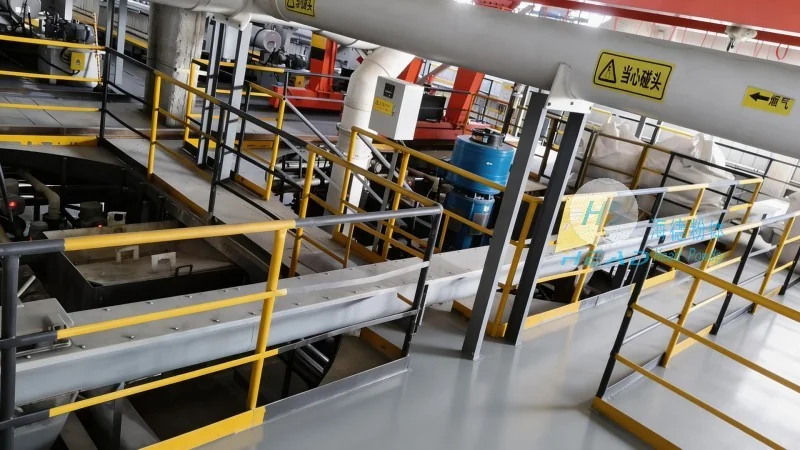
Advantages of Grain Pneumatic Conveying Systems
Implementing a grain pneumatic conveying system offers numerous benefits for agricultural and food processing operations. One of the most significant advantages is the reduction in material contamination, as the enclosed system minimizes exposure to external elements and reduces the risk of cross-contamination. Additionally, these systems enhance operational hygiene, making them suitable for handling food-grade products. From a practical standpoint, pneumatic conveying systems provide greater flexibility in layout and can easily integrate with existing processing equipment. They also offer energy efficiency compared to traditional mechanical conveying methods, particularly for long-distance transport, as the air pressure can be optimized to reduce energy consumption. Furthermore, the systems are relatively compact, requiring less floor space compared to traditional conveyor belts or bucket elevators, which is advantageous in facilities with limited space.
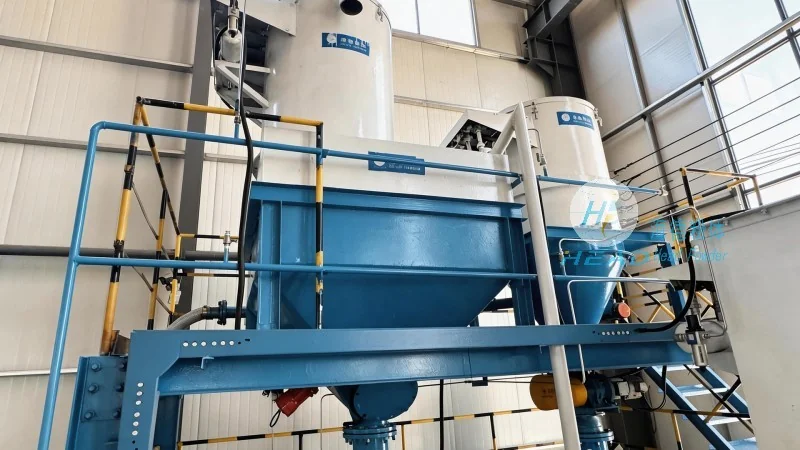
Applications in the Grain Industry
Grain pneumatic conveying systems find widespread application across various stages of the grain handling and processing chain. In storage facilities, these systems are used to transfer grain from silos or storage bins to processing equipment, ensuring a continuous supply of raw material. During processing, they facilitate the movement of grain through cleaning, sorting, and milling operations, where precise material handling is crucial to maintain product quality. In distribution, pneumatic conveying systems enable efficient transport of grain to packaging lines or shipping containers, supporting streamlined logistics operations. The versatility of these systems makes them adaptable to different grain types, including wheat, corn, rice, and other cereals, as well as to various processing requirements, from bulk handling to precise metering for quality control.
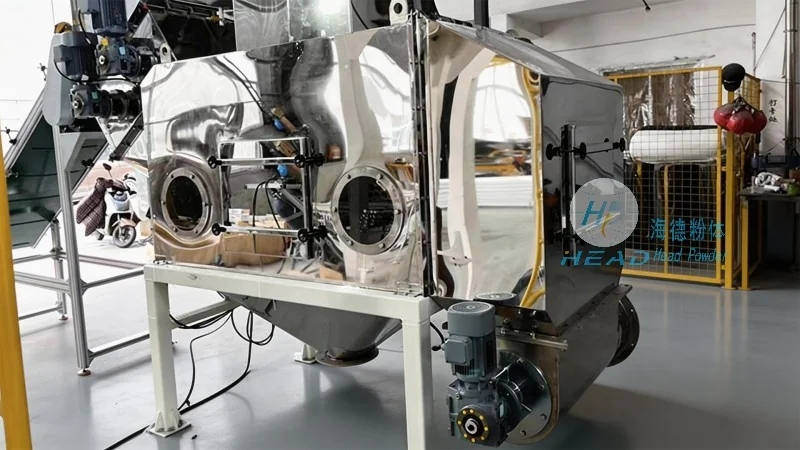
Considerations for System Design and Installation
When designing and installing a grain pneumatic conveying system, several factors must be carefully considered to ensure optimal performance and longevity. The first consideration is the material to be conveyed, as different grains have varying properties such as moisture content, particle size, and density, which affect system design parameters like air velocity and pressure. The distance and layout of the conveying line are also critical, as they influence the choice between dilute-phase and dense-phase systems and the required power of the air compressor. Additionally, the system must be constructed from materials that are resistant to corrosion and wear, particularly in environments with high humidity or abrasive materials. Proper maintenance, including regular cleaning of filters and cyclones, is essential to prevent system blockages and maintain efficiency. Finally, adherence to safety standards and regulations is paramount, as pneumatic conveying systems involve high-pressure air and moving parts, requiring robust safety measures to protect operators and prevent accidents.
Conclusion and Company Overview
Grain pneumatic conveying systems represent a cornerstone technology in modern grain handling, offering efficient, hygienic, and flexible solutions for material transport. As the demand for efficient agricultural processing and food production continues to grow, these systems play an increasingly vital role in ensuring the smooth operation of grain-related industries. Shandong HeadPowder Engineering Co., Ltd., a leading provider in this field, specializes in the design, manufacturing, and installation of high-quality pneumatic conveying systems tailored to the specific needs of agricultural and food processing clients. With a focus on innovation and customer satisfaction, HeadPowder delivers reliable solutions that enhance operational efficiency and product quality. HeadPowder’s expertise in system design and engineering ensures that clients receive customized solutions that meet their unique requirements, supporting their long-term success in the grain industry. Based in Shandong, China, HeadPowder leverages its local knowledge and industry experience to provide comprehensive support, from initial consultation to ongoing maintenance, helping clients optimize their grain handling processes and achieve their business objectives.