

[Detailed Explanation of Sintered Fly Ash Pneumatic Conveying System]
HeadPowder, a leading engineering firm based in Shandong, China, specializes in the design and implementation of advanced material handling solutions. Among their core offerings is the sintered fly ash pneumatic conveying system, a sophisticated technology tailored for efficient and reliable transportation of sintered fly ash—a byproduct commonly generated in the iron and steel industry. This system represents a critical advancement in material transport, addressing the challenges associated with handling fine, abrasive, and potentially hazardous materials like sintered fly ash.
Understanding the Sintered Fly Ash Pneumatic Conveying System
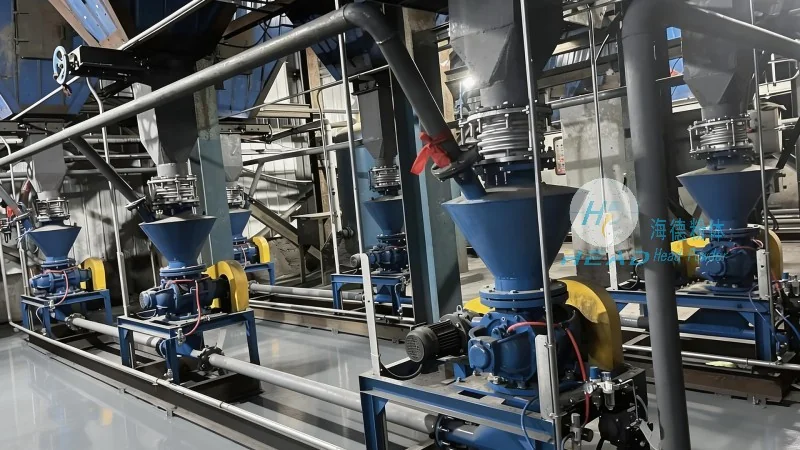
The sintered fly ash pneumatic conveying system is engineered to facilitate the transport of sintered fly ash from its source, such as storage silos or processing facilities, to designated disposal or utilization sites. At its core, the system operates on the principle of pneumatic conveying, where air or gas is used to move particulate materials through a pipeline network. This method offers several advantages over traditional mechanical conveying systems, including reduced equipment wear, lower maintenance requirements, and the ability to handle materials in a closed environment, minimizing dust emissions and environmental impact.
Key Components and Working Principle
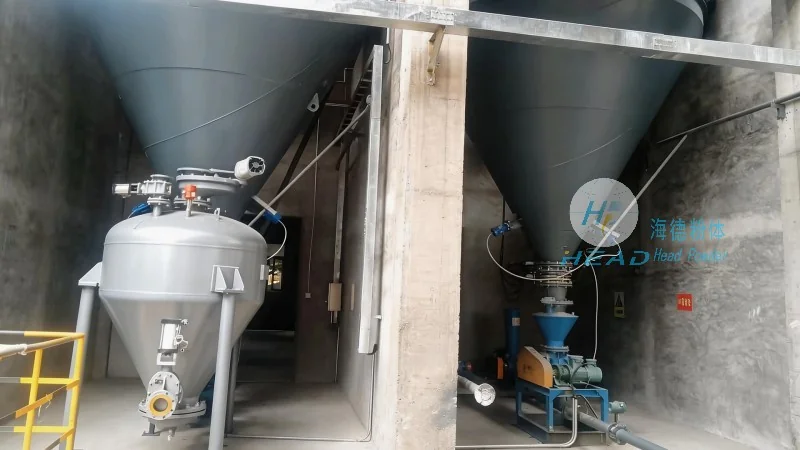
The system comprises several essential components that work in concert to ensure efficient operation. The primary elements include a feeding unit, a conveying pipeline, a control system, and a discharge or collection unit. The feeding unit, often equipped with a rotary valve or a metering device, regulates the flow of sintered fly ash into the pipeline. The conveying pipeline, typically made of corrosion-resistant materials like stainless steel or special alloys, is designed to withstand the abrasive nature of the material and the pressure differentials involved in the conveying process. The control system, which may include sensors, pressure regulators, and a programmable logic controller (PLC), monitors and adjusts the air flow and material flow to maintain optimal conveying conditions. The discharge unit, such as a rotary valve or a hopper, receives the material at the destination and controls its release into the next stage of processing or disposal.
Advantages of the Sintered Fly Ash Pneumatic Conveying System
Implementing a sintered fly ash pneumatic conveying system offers numerous benefits for industrial operations. Firstly, it enhances operational efficiency by providing a continuous and automated material transport process, reducing downtime and labor costs associated with manual handling. Secondly, the closed system design significantly minimizes dust emissions, contributing to better workplace safety and compliance with environmental regulations. Thirdly, the system's ability to handle fine and abrasive materials without excessive wear on components extends the lifespan of equipment and reduces maintenance expenses. Additionally, the flexibility of pneumatic conveying allows for adjustments in flow rates and system configuration to accommodate varying production demands or changes in material characteristics.
Application Scenarios and Industrial Use Cases
The sintered fly ash pneumatic conveying system is widely applied in various industrial settings where sintered fly ash needs to be transported efficiently. Common applications include the transfer of sintered fly ash from storage silos to landfills or recycling facilities, as well as the movement of material between different processing stages within a steel plant. In landfills, the system ensures that sintered fly ash is disposed of in a controlled manner, preventing environmental contamination and optimizing the use of landfill space. In recycling facilities, the system facilitates the integration of sintered fly ash into other materials for further processing or product manufacturing. Additionally, the system can be integrated into larger material handling networks, working in conjunction with other conveying systems to create a comprehensive and efficient material transport infrastructure.
Technical Specifications and Customization Options
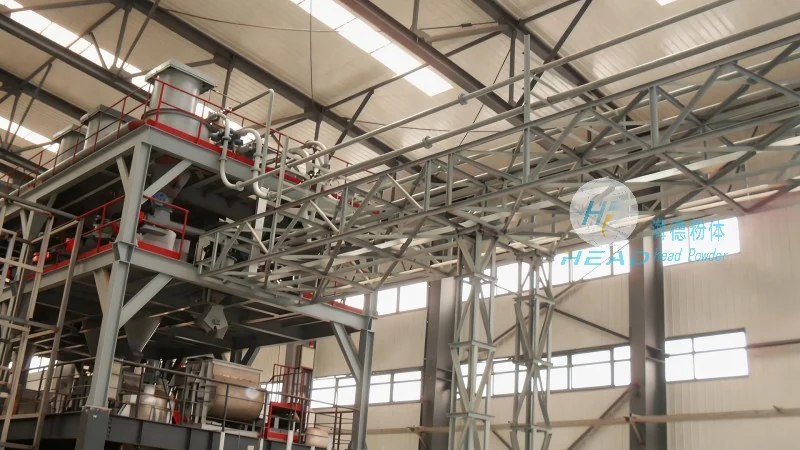
HeadPowder's sintered fly ash pneumatic conveying systems are designed with a range of technical specifications to meet the diverse needs of industrial clients. These specifications include conveying capacities ranging from low to high volumes, depending on the specific application requirements. The system can be configured with different types of air movers, such as positive displacement blowers or rotary lobe blowers, to suit varying pressure and flow demands. The pipeline diameter and length can be customized to match the distance and volume of material to be transported. Additionally, the system may incorporate features like dust filtration and air recycling to enhance efficiency and reduce operational costs. HeadPowder offers tailored solutions, working closely with clients to design and implement systems that align with their specific operational parameters and environmental standards.
Installation and Maintenance Considerations
The successful implementation of a sintered fly ash pneumatic conveying system requires careful planning and professional installation. HeadPowder, with its expertise in material handling engineering, provides comprehensive installation services, ensuring that all components are properly assembled and integrated. Proper installation includes considerations such as pipeline layout, support structures, and the positioning of feeding and discharge units to optimize material flow and minimize pressure losses. Maintenance is another critical aspect of system performance. Regular maintenance, including inspections of components, cleaning of filters, and checks of air flow and pressure, is essential to ensure the system operates efficiently and reliably over its service life. HeadPowder offers maintenance services and support to help clients maintain their systems in optimal condition, reducing the risk of downtime and extending the lifespan of the equipment.
Environmental and Safety Benefits
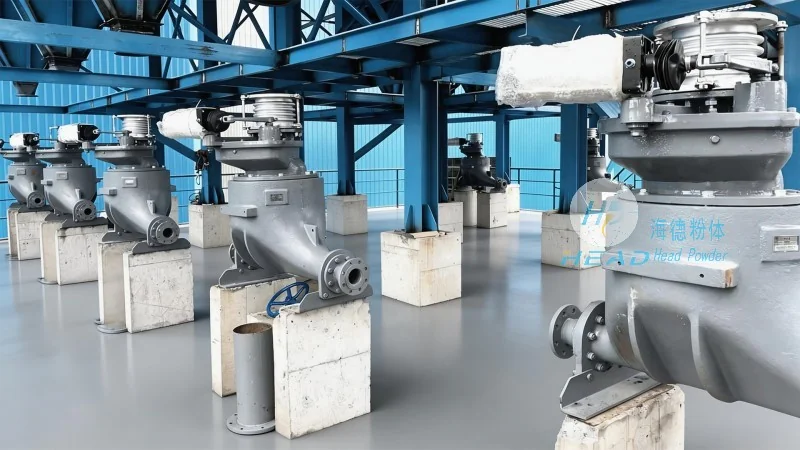
From an environmental perspective, the sintered fly ash pneumatic conveying system offers significant advantages. By operating in a closed system, it minimizes the release of dust and particulate matter into the environment, reducing the impact on air quality and nearby communities. This closed-loop design also helps in controlling the spread of hazardous materials, ensuring that sintered fly ash is handled in a safe and controlled manner. In terms of workplace safety, the system reduces the need for manual handling of fine materials, thereby lowering the risk of respiratory issues and other health hazards associated with exposure to dust. Additionally, the system's design and operation comply with relevant environmental and safety regulations, providing clients with peace of mind regarding regulatory compliance.
Conclusion and Future Outlook
The sintered fly ash pneumatic conveying system developed by HeadPowder represents a cutting-edge solution for the efficient and safe transportation of sintered fly ash. By leveraging advanced engineering and material handling technologies, the system addresses the challenges associated with handling fine, abrasive materials while offering numerous operational, environmental, and safety benefits. As industrial operations continue to prioritize efficiency and sustainability, such advanced conveying systems are becoming increasingly essential. HeadPowder's commitment to innovation and client satisfaction ensures that their sintered fly ash pneumatic conveying systems remain at the forefront of material handling solutions, providing reliable and effective solutions for the iron and steel industry and other sectors that generate sintered fly ash.