

Detailed Explanation of Flake Graphite Powder Pneumatic Conveying Systems
For industrial applications requiring the efficient and reliable transport of flake graphite powder, pneumatic conveying systems offer a sophisticated solution. This article provides a comprehensive overview of the components, operational principles, and benefits of flake graphite powder pneumatic conveying systems, tailored for the needs of industries such as battery manufacturing, lubricants, and refractory materials production.
Introduction to Flake Graphite Powder Pneumatic Conveying
Flake graphite, characterized by its layered carbon structure and high purity, is a critical material in various high-tech industries. The efficient handling of this fine powder is essential to maintain product quality and operational efficiency. Pneumatic conveying systems utilize air or other gases to transport dry powders, including flake graphite, through a network of pipes and equipment. This method eliminates the need for mechanical components like belts or buckets, reducing maintenance and enhancing safety.
Key Components of a Pneumatic Conveying System
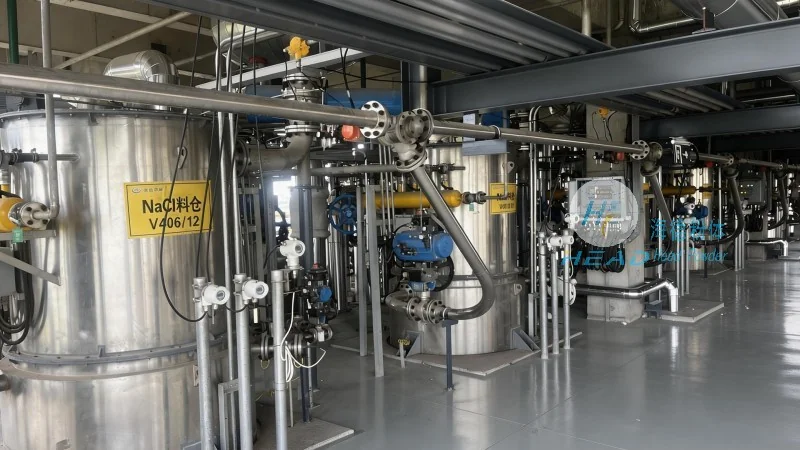
The flake graphite powder pneumatic conveying system consists of several core components that work in tandem to ensure smooth operation. The primary components include a material feed hopper, a rotary airlock valve, a conveying line (often equipped with pulse-jet filters or cyclones for dust control), and a receiver or discharge point. Each component plays a vital role in the overall system performance.
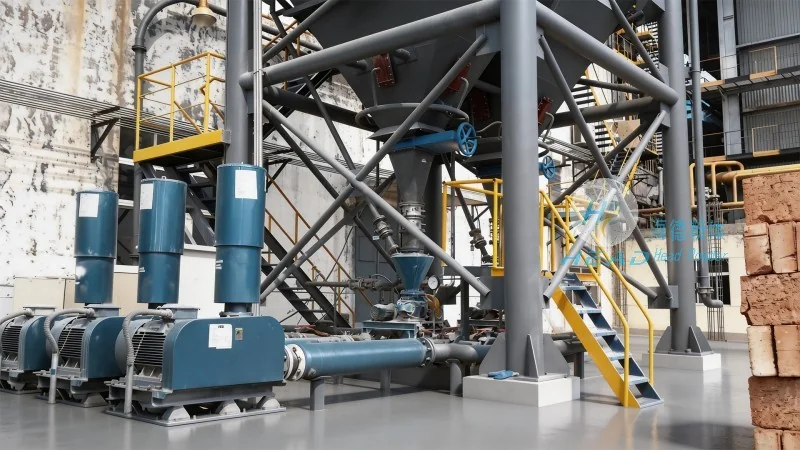
The material feed hopper is designed to store and feed the flake graphite powder into the system. It typically features a conical bottom to facilitate uniform material flow and prevent clogging. The rotary airlock valve, positioned at the hopper outlet, acts as a controlled gate, preventing backflow and ensuring a steady flow of material into the conveying line. The conveying line, usually made of stainless steel or other corrosion-resistant materials, transports the powder and air mixture. Pulse-jet filters or cyclones are integrated to separate the powder from the air, allowing the air to be recirculated or discharged safely while collecting the graphite powder for reuse.
Operational Principles and Types of Pneumatic Conveying
Pneumatic conveying systems operate based on the principle of air flow, which can be categorized into two main types: pressure and vacuum. Pressure systems use compressed air to push the material through the line, while vacuum systems use a vacuum pump to draw the material into the line. For flake graphite powder, pressure systems are often preferred due to their ability to handle high material loads and maintain consistent flow rates. The system's design, including the size of the conveying line and the air velocity, is critical to prevent particle degradation and ensure efficient transport.
Benefits of Using Pneumatic Conveying for Flake Graphite
Implementing a pneumatic conveying system for flake graphite powder offers numerous advantages. Firstly, it minimizes product contamination and degradation, as the material is not in direct contact with mechanical parts. This is particularly important for high-purity applications like battery anodes. Secondly, the system enhances operational safety by eliminating the need for manual handling of powders, reducing the risk of dust explosions and inhalation hazards. Additionally, pneumatic conveying systems are more energy-efficient compared to traditional methods, as they can recover and recycle a significant portion of the air used in the process.
Applications and Industry Impact
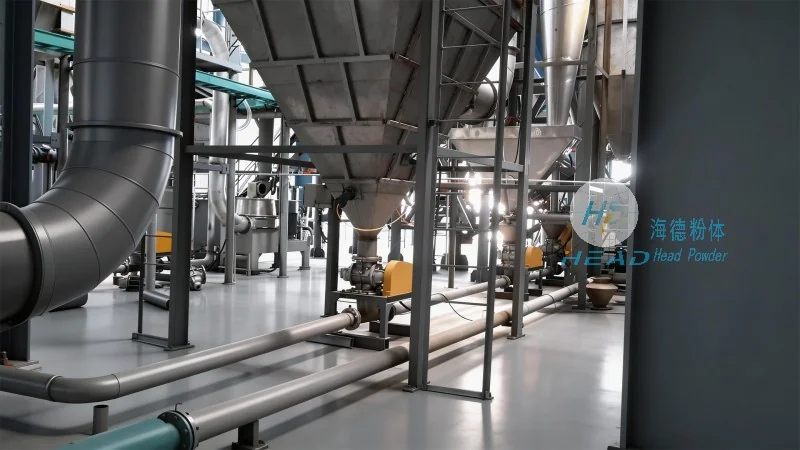
Flake graphite powder pneumatic conveying systems are widely used in industries that rely on consistent and high-quality graphite supply. In the battery industry, for example, these systems ensure the precise delivery of graphite to production lines, contributing to the manufacturing of high-performance lithium-ion batteries. In lubricant production, the system maintains the purity of graphite additives, improving the performance and longevity of lubricants. Similarly, in refractory materials manufacturing, the efficient transport of graphite powder enhances the quality of refractory products, which are essential in high-temperature industrial processes.
Conclusion and Company Overview
Flake graphite powder pneumatic conveying systems represent a sophisticated and efficient solution for the transportation of this critical material. By leveraging advanced pneumatic technology, industries can achieve improved product quality, operational safety, and energy efficiency. Shandong HeadPowder Engineering Co., Ltd., a leading provider in this field, specializes in designing and manufacturing customized pneumatic conveying systems tailored to the specific needs of clients. With a focus on innovation and quality, the company ensures that its systems meet the highest industry standards, supporting the growth and success of its clients in various applications.