

[Detailed Explanation of Nanometer Calcium Carbonate Pneumatic Conveying Systems]
HeadPowder, a leading enterprise in the field of powder processing technology, specializes in the design, manufacturing, and installation of advanced pneumatic conveying systems for various industrial applications. This article provides a comprehensive overview of the nanometer calcium carbonate pneumatic conveying system, highlighting its technical features, operational advantages, and practical applications.
Introduction to Nanometer Calcium Carbonate Pneumatic Conveying Systems
Nanometer calcium carbonate (n-CaCO₃) is a widely used industrial filler and additive, valued for its high purity, fine particle size (typically below 2 microns), and excellent dispersion properties. The efficient and reliable transportation of n-CaCO₃ from storage to processing units is crucial for maintaining product quality and operational efficiency. Pneumatic conveying systems offer a solution that minimizes material degradation, reduces contamination risks, and enhances process control compared to traditional mechanical conveying methods.
Key Components of the Pneumatic Conveying System
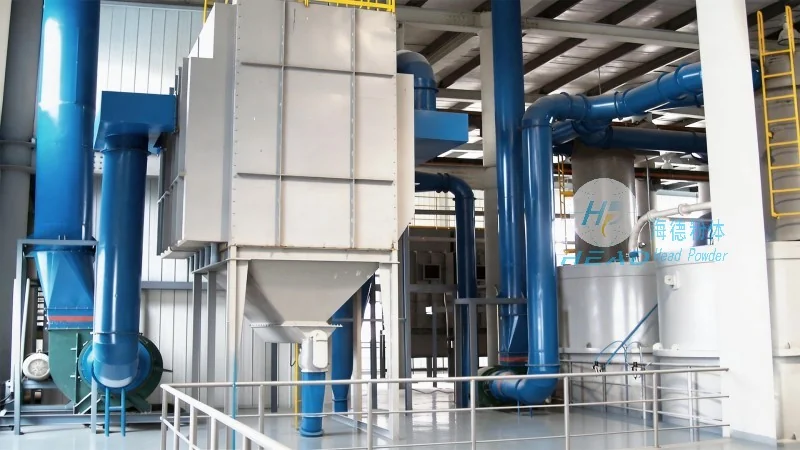
The nanometer calcium carbonate pneumatic conveying system typically consists of several core components that work in concert to ensure smooth material transfer. These include the storage silo, feeder, conveying pipeline, air compressor, and control system. Each component is carefully selected and engineered to handle the specific characteristics of n-CaCO₃, such as its fine particle size, low bulk density, and potential for agglomeration.
Feeder and Material Handling
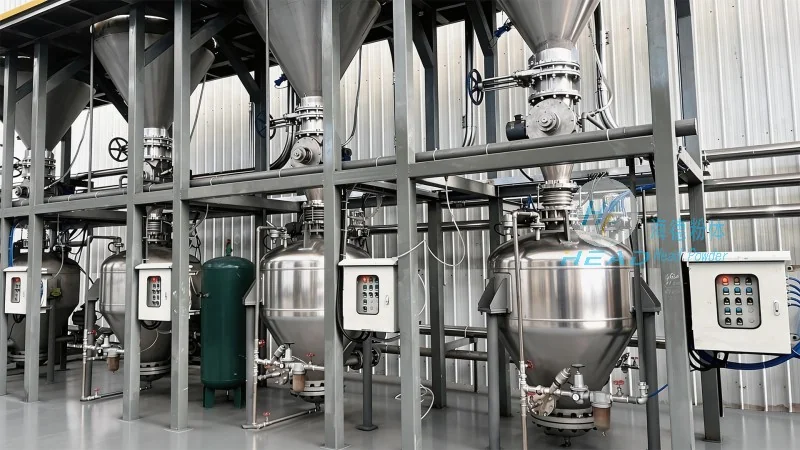
Nanometer calcium carbonate (n-CaCO₃) is characterized by its extremely fine particle size (typically below 2 microns) and low bulk density, which can lead to challenges in material handling, such as bridging, caking, and uneven flow from storage silos. To address these issues, the system employs specialized feeders, including rotary airlock valves and loss-in-weight feeders, which are designed to maintain a consistent and controlled feed rate. These feeders are equipped with anti-clogging mechanisms and adjustable speed controls to accommodate the unique flow properties of n-CaCO₃. The feeder is positioned at the bottom of the storage silo, ensuring that material is drawn uniformly from the silo without causing agglomeration or particle breakage. The use of high-purity materials for the feeder components, such as stainless steel and PTFE, prevents contamination and ensures the integrity of the n-CaCO₃ product.
Conveying Pipeline and Air Compressor
The conveying pipeline is constructed from materials that are resistant to corrosion and wear, such as stainless steel or special plastic composites, to accommodate the chemical properties of calcium carbonate and the abrasive nature of the fine particles. The air compressor provides the necessary pressure and airflow to transport the material through the pipeline. For n-CaCO₃, which has a low bulk density and can be difficult to convey at high velocities, the system is optimized to maintain an appropriate air-to-solid ratio (typically 0.5-1.0 m³ of air per kg of material), ensuring efficient and stable transport without excessive energy consumption. The pipeline is designed with smooth inner surfaces and minimal bends to reduce pressure loss and prevent particle deposition.
Control and Monitoring Systems
Advanced control systems are integrated into the pneumatic conveying system to monitor and regulate key parameters such as pressure, flow rate, and material level. These systems use sensors (e.g., pressure transducers, flow meters, and level detectors) and automation technology to detect any deviations and adjust the operation in real-time, enhancing process stability and reducing downtime. For the n-CaCO₃ system, the control system can also track the temperature and humidity of the material to prevent degradation, which is particularly important for maintaining the quality of the final product. The system includes alarm and safety features to alert operators of any issues, such as low material levels or abnormal pressure fluctuations.
Operational Advantages of the System
The nanometer calcium carbonate pneumatic conveying system offers several significant advantages over traditional conveying methods. Firstly, it eliminates the need for mechanical components like belts or buckets, reducing maintenance costs and minimizing the risk of material contamination. Secondly, the enclosed system prevents dust emissions, improving workplace safety and environmental compliance. Thirdly, the system provides precise control over the material flow, enabling accurate dosing and consistent product quality. Additionally, the energy efficiency of pneumatic conveying, especially when optimized for low-density materials like n-CaCO₃, can lead to substantial cost savings over time. The system also reduces labor costs by automating the material transfer process and minimizing manual handling.
Applications in Industrial Processes
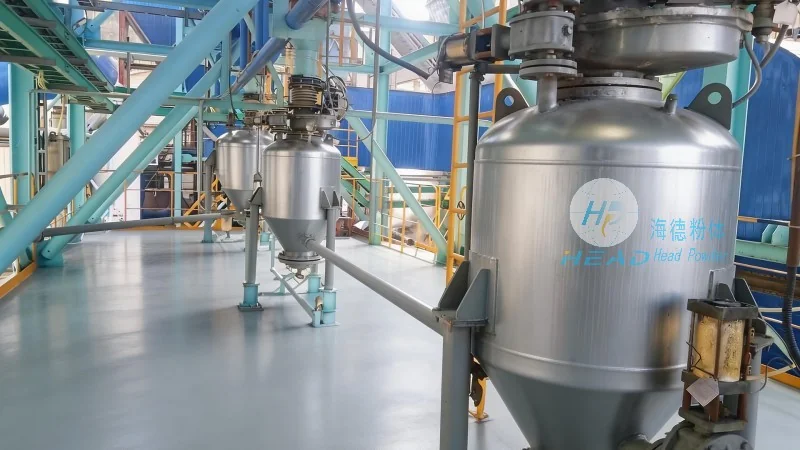
The nanometer calcium carbonate pneumatic conveying system is widely used in various industries that rely on high-quality calcium carbonate fillers. In the paper industry, n-CaCO₃ is used as a filler in papermaking, and the system ensures a consistent supply of material to the paper machine, improving the opacity and whiteness of the final product. In the plastics industry, it is used as a reinforcement and filler in polymer compounds (e.g., PVC, PE), and the system maintains the purity and particle size distribution of the material, enhancing the mechanical properties of the end product. In the coatings and inks industry, n-CaCO₃ is used to improve the opacity and whiteness of products, and the system ensures that the material is delivered without agglomeration or contamination, resulting in better coating performance. In the rubber industry, it is used as a filler to enhance the mechanical properties of rubber products (e.g., tires, seals), and the system provides a reliable source of material for processing, reducing the risk of material degradation.
Maintenance and Longevity
To ensure the long-term performance and reliability of the nanometer calcium carbonate pneumatic conveying system, regular maintenance is essential. This includes inspecting and cleaning the conveying pipeline to prevent buildup of material, checking the air compressor and control system for proper operation, and replacing worn components as needed. The use of high-quality materials and components, such as stainless steel for the pipeline and advanced control systems, contributes to the system's longevity and reduces the need for frequent repairs. HeadPowder, as the manufacturer, provides comprehensive maintenance services and technical support to ensure that the system operates at peak efficiency throughout its service life. Regular maintenance also helps to identify potential issues early, preventing costly downtime and ensuring consistent product quality.
Conclusion
The nanometer calcium carbonate pneumatic conveying system is a sophisticated and efficient solution for the transportation of high-purity, fine particles in industrial applications. By leveraging advanced technology and careful engineering, this system ensures consistent material quality, minimal contamination, and optimal operational performance. As a leading provider of powder processing solutions, HeadPowder continues to innovate and improve its pneumatic conveying systems to meet the evolving needs of industries that rely on nanometer calcium carbonate. With its commitment to quality and customer satisfaction, HeadPowder is positioned as a trusted partner for businesses seeking reliable and effective material handling solutions. The system not only enhances productivity and product quality but also contributes to environmental sustainability by reducing dust emissions and minimizing material waste.