

Aluminum Turnings Pneumatic Conveying: How to Efficiently Transport Powder and Granular Materials Us
Efficient material handling is a critical aspect of industrial operations, especially when dealing with lightweight, abrasive, or valuable materials like aluminum turnings. Traditional methods such as belt conveyors or bucket elevators may struggle with the unique challenges posed by aluminum turnings, including their tendency to create dust, their abrasive nature, and the need for precise control over the conveying process. Pneumatic conveying, or air-based transport systems, offers a solution that addresses these challenges by using pressurized or vacuum air to move materials through a pipeline network. This article explores the principles, benefits, and practical applications of pneumatic conveying for aluminum turnings, highlighting how it enables efficient, clean, and controlled transport of these materials.

Understanding Pneumatic Conveying Systems for Aluminum Turnings
Pneumatic conveying systems are designed to transport bulk materials like aluminum turnings through a sealed pipeline using air. The core components of such a system typically include a material feed hopper, a conveyor line (often a pipeline), a blower or vacuum pump to generate the air flow, and a discharge point where the material is released. The system can operate in either pressure or vacuum mode, depending on the application requirements. For aluminum turnings, pressure conveying is often preferred as it provides better control over the material flow and reduces the risk of dust generation compared to vacuum systems. The choice of system design—such as dilute phase or dense phase—depends on factors like the material's properties, the distance to be conveyed, and the desired material handling rate.
The Benefits of Pneumatic Conveying for Aluminum Turnings
Implementing pneumatic conveying for aluminum turnings offers several key advantages that enhance operational efficiency and product quality. First, it provides a dust-free environment, which is crucial for maintaining a clean and safe workplace, especially when handling materials that can create fine particles. Unlike mechanical conveyors, pneumatic systems minimize the risk of material degradation due to abrasion or impact, preserving the integrity of the aluminum turnings. Additionally, pneumatic conveying allows for precise control over the material flow rate, ensuring consistent delivery to downstream processes such as melting, recycling, or further processing. This control is particularly important in applications where the material's quality or consistency directly impacts the final product. Another significant benefit is the ability to transport materials over long distances without the need for multiple transfer points or complex infrastructure, which can reduce installation costs and maintenance requirements. The flexibility of pneumatic systems also enables easy integration with existing production lines, allowing for seamless material flow from one stage to the next.
Key Considerations for Designing Pneumatic Conveying Systems for Aluminum Turnings
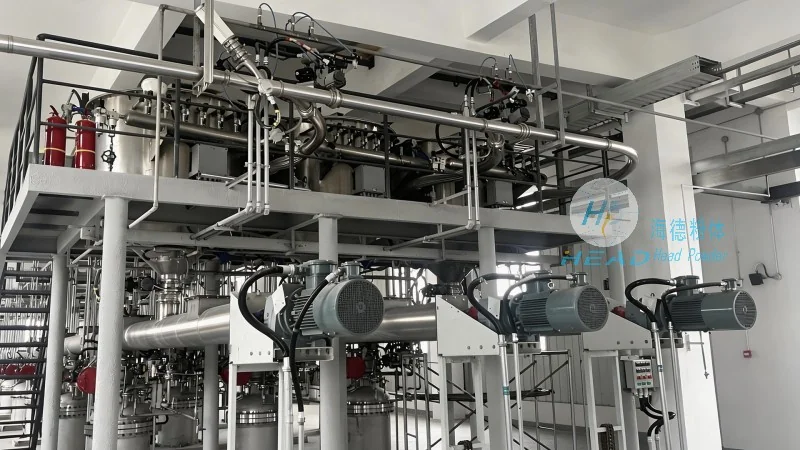
Designing an effective pneumatic conveying system for aluminum turnings requires careful consideration of several factors to ensure optimal performance and longevity. Material properties are a primary consideration, as aluminum turnings are lightweight and can be prone to segregation or bridging in the hopper. The system must be designed to prevent these issues, such as by incorporating vibration or agitation mechanisms in the feed hopper to ensure a consistent material flow. The pipeline material is another critical factor, as aluminum turnings are abrasive and can cause wear on the internal surfaces of the conveying line. Using materials like stainless steel or high-grade plastic with wear-resistant coatings can extend the system's lifespan and maintain efficiency. The blower or vacuum pump selection is also essential, as it must provide sufficient air pressure or vacuum to move the material through the pipeline while minimizing energy consumption. The system's capacity and flow rate must be matched to the production requirements, ensuring that the conveying rate aligns with the downstream processing capacity. Finally, the system should include features for monitoring and control, such as pressure sensors and flow meters, to allow for real-time adjustments and maintenance, ensuring the system operates at peak efficiency.
Applications of Pneumatic Conveying in Aluminum Turnings Processing
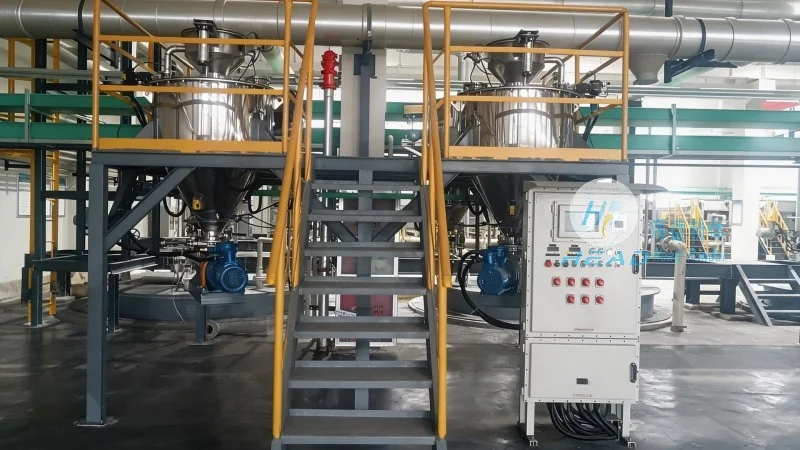
Pneumatic conveying systems are widely used in various stages of aluminum turnings processing, from initial collection to final recycling or manufacturing. In the recycling industry, for example, pneumatic systems are used to transport aluminum turnings from collection points to processing facilities, where they are melted down to produce new aluminum products. The clean and efficient nature of pneumatic conveying makes it ideal for these applications, as it minimizes contamination and ensures that the material is delivered in a consistent state. In manufacturing processes, such as the production of aluminum alloys, pneumatic conveying is used to transport aluminum turnings to melting furnaces or mixing equipment, where they are combined with other materials to create the desired alloy composition. The precise control over material flow provided by pneumatic systems ensures that the correct proportions of aluminum turnings are added, leading to consistent product quality. Additionally, in industrial settings where aluminum turnings are used as a raw material for other processes, such as in the production of aluminum powders or coatings, pneumatic conveying enables efficient and controlled delivery of the material to the processing equipment. This ensures that the material is handled safely and effectively, reducing the risk of accidents or material loss.
Case Study: Implementing a Pneumatic Conveying System for Aluminum Turnings at Shandong HeadPowder Engineering Co., Ltd.
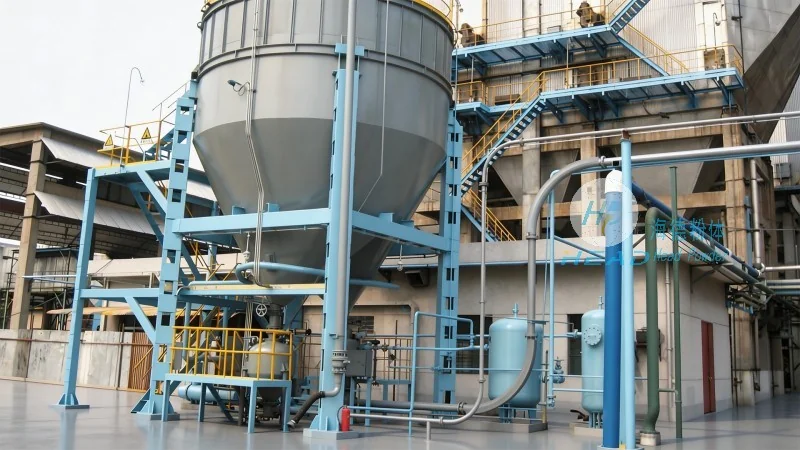
Shandong HeadPowder Engineering Co., Ltd., a leading provider of material handling solutions, recently implemented a custom pneumatic conveying system for a client in the aluminum processing industry. The client required a system to transport aluminum turnings from a storage hopper to a melting furnace over a distance of 50 meters, with a capacity of 10 tons per hour. The system was designed using pressure conveying principles, incorporating a stainless steel pipeline with wear-resistant coatings and a high-efficiency blower. The feed hopper was equipped with a vibration mechanism to prevent material bridging and ensure consistent flow. The system was installed and commissioned by the engineering team at HeadPowder, who provided comprehensive training to the client's operations staff on system operation and maintenance. The results were significant: the system achieved the required capacity with minimal energy consumption, and the material was delivered to the furnace in a clean and consistent state, reducing the risk of contamination and improving the quality of the final aluminum product. The client reported a 20% increase in operational efficiency and a 15% reduction in maintenance costs compared to their previous mechanical conveyor system. This case study highlights the effectiveness of pneumatic conveying systems in improving material handling efficiency and product quality for aluminum turnings applications.
Conclusion: The Role of Pneumatic Conveying in Modern Aluminum Turnings Handling
Pneumatic conveying systems offer a highly effective solution for the efficient and controlled transport of aluminum turnings, addressing the unique challenges posed by these materials. By leveraging the principles of air-based transport, these systems provide a dust-free, low-maintenance, and flexible approach to material handling that enhances operational efficiency and product quality. As industries continue to prioritize sustainability and efficiency, the adoption of pneumatic conveying systems for aluminum turnings is likely to increase, driven by the need for cleaner, more precise, and cost-effective material handling solutions. Companies like Shandong HeadPowder Engineering Co., Ltd. play a crucial role in developing and implementing these systems, ensuring that industrial operations can meet their material handling needs while maintaining high standards of safety and performance. With continued advancements in system design and technology, pneumatic conveying is poised to remain a key component of modern aluminum turnings processing, enabling industries to achieve greater efficiency and sustainability in their operations.