

[Potash Fertilizer Pneumatic Conveying: How to Efficiently Transport Powdery Materials with Air Flow
HeadPowder, a leading engineering company based in Shandong, China, specializes in the design and implementation of advanced pneumatic conveying systems tailored for the efficient handling of potash fertilizer and other powdery materials. With years of experience in the field, HeadPowder Engineering Co., Ltd. has established itself as a trusted partner for industries seeking reliable solutions to transport bulk powders with precision and efficiency.
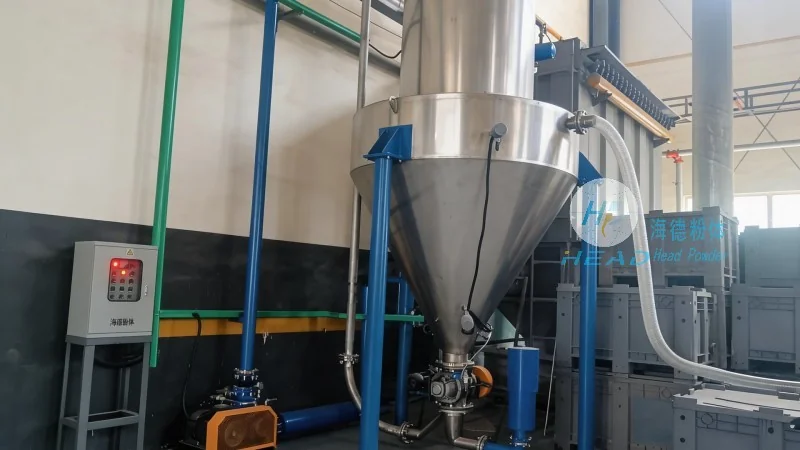
About HeadPowder: Experts in Pneumatic Conveying Solutions
HeadPowder Engineering Co., Ltd. is headquartered in Shandong, China, and has built a reputation for delivering high-quality engineering services focused on pneumatic conveying technologies. The company's expertise lies in customizing systems that meet the specific demands of potash fertilizer processing, ensuring that materials are moved safely, efficiently, and with minimal loss or degradation. By leveraging cutting-edge technology and a deep understanding of material behavior, HeadPowder provides tailored solutions that enhance operational productivity and reduce downtime.
Efficient Potash Fertilizer Handling with Pneumatic Conveying Systems
Pneumatic conveying, or air flow conveying, is a method that uses pressurized or suction air to transport powdery materials like potash fertilizer through a pipeline system. This technology offers a highly effective alternative to traditional methods such as belt conveyors or bucket elevators, particularly for materials that are prone to dust, segregation, or degradation during handling. The core of a pneumatic conveying system involves a hopper or feeder that introduces the potash fertilizer into the air stream, which then propels the material through the pipeline to its destination, such as storage silos, processing units, or packaging areas. The system can operate under positive pressure (where air is forced through the material) or negative pressure (where air is drawn through the material), depending on the specific requirements of the application.
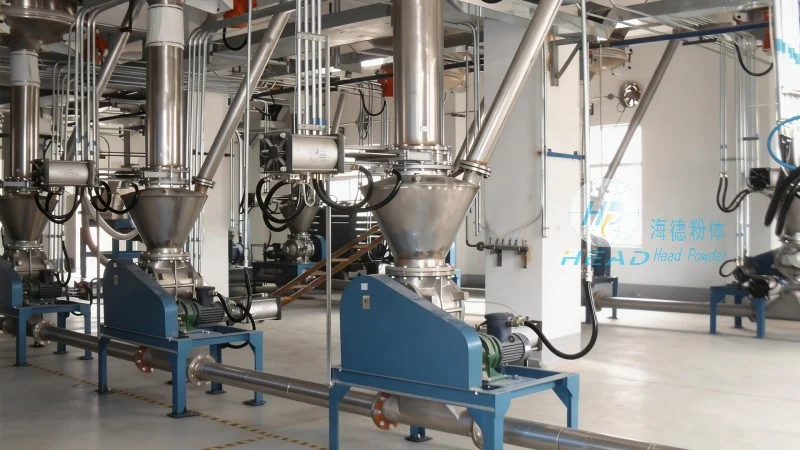
How Pneumatic Conveying Works for Powdery Materials
At its essence, pneumatic conveying relies on the interaction between air and the powdery material to achieve movement. In a positive pressure system, a blower or compressor generates high-pressure air that flows through the pipeline, carrying the potash fertilizer particles along with it. The air velocity is carefully controlled to ensure that the material is fully entrained and transported without clogging or separation. Conversely, a negative pressure system uses a vacuum to draw the material into the pipeline, making it suitable for applications where the material needs to be moved from a higher elevation or where dust control is critical. The design of the conveying line, including pipe diameter, length, and bends, is crucial for maintaining consistent air velocity and preventing material buildup or degradation. HeadPowder engineers meticulously calculate these parameters to optimize the system's performance and ensure long-term reliability.
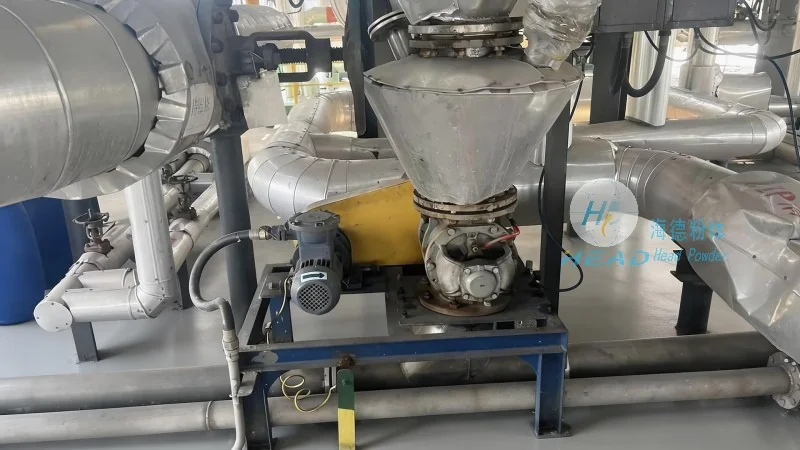
Real-World Applications in Potash Fertilizer Processing
HeadPowder's pneumatic conveying systems are widely used in potash fertilizer plants to handle raw materials, intermediate products, and finished goods. For instance, in a typical processing facility, potash fertilizer may be received from bulk carriers and transferred to storage silos via a positive pressure conveying line. The material is then moved from the silos to the processing unit, where it undergoes further treatment before being packaged for distribution. The system's ability to handle large volumes of material with minimal human intervention reduces labor costs and improves safety by eliminating the need for manual handling of dusty or heavy materials. Additionally, the enclosed pipeline design prevents dust emissions, complying with environmental regulations and maintaining a clean working environment.

Benefits of Air Flow Conveying for Potash Fertilizer
Adopting pneumatic conveying for potash fertilizer handling offers several key advantages that enhance operational efficiency and product quality. First, the system provides a high degree of control over material flow, ensuring consistent delivery rates and preventing overloading or underloading of processing equipment. This precision is critical in potash fertilizer production, where uniformity in the final product is essential for meeting market specifications. Second, pneumatic conveying reduces material degradation by minimizing exposure to air, moisture, and mechanical stress. Unlike belt conveyors, which can cause abrasion and segregation, the enclosed pipeline protects the potash fertilizer from external factors, preserving its chemical properties and ensuring consistent performance. Third, the system is highly flexible, allowing for easy reconfiguration or expansion as production needs change. HeadPowder's custom-designed systems can be adapted to accommodate increased throughput or new processing stages without major overhauls, providing a long-term solution for growing businesses.
Choosing the Right Pneumatic Conveying System for Your Needs
When selecting a pneumatic conveying system for potash fertilizer handling, several factors must be considered to ensure optimal performance. The first is the type of system—positive pressure or negative pressure—based on the plant layout, material characteristics, and safety requirements. Positive pressure systems are generally preferred for long-distance or high-volume transport, as they offer better control over air flow and material movement. Negative pressure systems are more suitable for short distances or applications where dust containment is paramount. The second consideration is the material's properties, such as particle size, density, and moisture content, as these affect the required air velocity and system design. HeadPowder's engineering team conducts thorough assessments of these factors to recommend the most suitable system configuration. Additionally, the system's scalability and maintenance requirements should be evaluated, as regular maintenance is essential to prevent downtime and ensure consistent performance. By partnering with HeadPowder, clients can benefit from expert guidance in selecting and implementing a pneumatic conveying system that meets their specific potash fertilizer handling needs, ensuring long-term operational success.