

[Corn Starch Pneumatic Conveying: How to Efficiently Transport Powdered Materials with Air Flow]
Corn starch, a widely used industrial material, often requires efficient and reliable transportation methods to maintain quality and minimize handling losses. Pneumatic conveying systems have emerged as a preferred solution for moving corn starch and other powdered materials, offering advantages such as reduced contamination, improved safety, and enhanced process control. This article explores the principles and applications of corn starch pneumatic conveying, highlighting how air flow can be harnessed to move these fine particles with precision and efficiency.
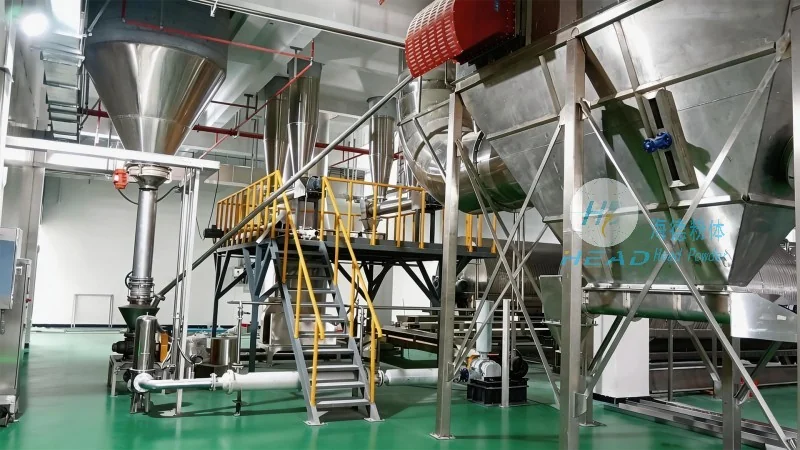
Understanding Pneumatic Conveying for Corn Starch
Pneumatic conveying involves the use of air or gas to transport solid materials through a pipeline. In the case of corn starch, this method is particularly effective due to the material's fine particle size and low bulk density. The process typically operates by creating a pressure differential or using vacuum to draw the corn starch into the conveying line, where it is carried by the moving air stream. There are two main types of pneumatic conveying systems: pressure and vacuum. Pressure systems use compressed air to push the material forward, while vacuum systems create a negative pressure to pull the material into the line. Both systems can be adapted to handle corn starch, with the choice depending on factors like the distance to be covered, the volume of material, and the required flow rate.
Key Components of a Corn Starch Pneumatic Conveying System
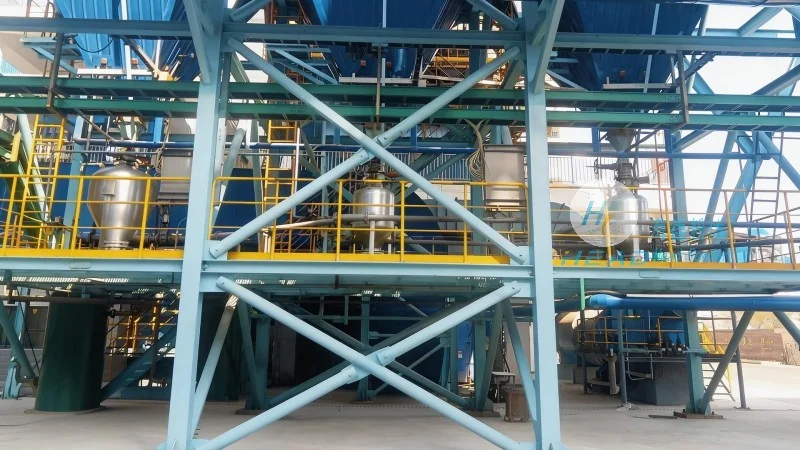
A well-designed corn starch pneumatic conveying system consists of several critical components that work together to ensure smooth and efficient operation. These components include the material feed hopper, which holds the corn starch and controls the flow rate; the conveying line, which transports the material from the source to the destination; the air mover, which provides the necessary air flow to move the particles; and the separation or collection equipment, which removes the corn starch from the air stream and returns it to the process. Each component plays a vital role in maintaining the integrity of the corn starch and ensuring the system operates at optimal performance levels.
Advantages of Using Pneumatic Conveying for Corn Starch
Compared to traditional methods like belt conveyors or bucket elevators, pneumatic conveying offers several advantages when handling corn starch. One of the most significant benefits is the reduction in material contamination, as the enclosed system prevents exposure to dust, moisture, and other contaminants. This is crucial for corn starch, which is often used in food and pharmaceutical applications where purity is paramount. Additionally, pneumatic conveying systems are more compact and require less floor space, making them ideal for facilities with limited room. The process also minimizes product degradation, as the material is not subjected to excessive friction or impact during transport. Furthermore, these systems can be easily integrated with other processing equipment, allowing for seamless flow from storage to production lines.
Applications of Corn Starch Pneumatic Conveying
The versatility of corn starch pneumatic conveying makes it suitable for a wide range of applications across various industries. In the food industry, it is commonly used to transport corn starch for use in baking, snack foods, and other processed products. The pharmaceutical industry also relies on this technology to move corn starch for use in drug formulations and packaging. Additionally, the chemical and agricultural sectors utilize pneumatic conveying systems to handle corn starch in production processes, such as in the manufacturing of adhesives, coatings, and animal feed. The ability to transport corn starch efficiently over long distances without the need for multiple transfer points makes this method highly effective for large-scale operations.
Considerations for Implementing Corn Starch Pneumatic Conveying
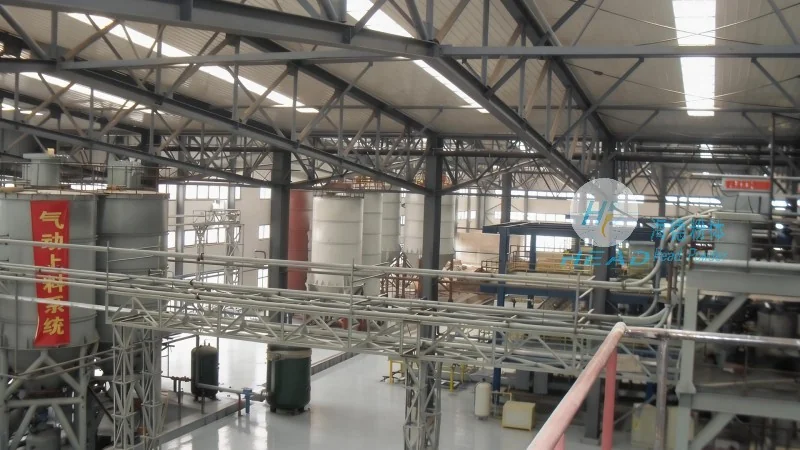
When implementing a corn starch pneumatic conveying system, several factors must be considered to ensure optimal performance and longevity. The first is the particle size and moisture content of the corn starch, as these characteristics affect the air flow requirements and system design. Larger or more moist particles may require higher air velocities or additional equipment like cyclones to prevent blockages. The distance and layout of the conveying line are also critical, as longer distances may necessitate multiple air movers or larger diameter pipes to maintain flow rates. Additionally, the system must be designed to handle any potential dust explosions, as corn starch is a combustible material. Proper explosion-proofing and dust collection systems are essential to ensure safety and compliance with industry regulations.
Conclusion
Pneumatic conveying represents a highly effective and efficient method for transporting corn starch and other powdered materials. By leveraging air flow to move these fine particles, companies can improve process reliability, reduce handling losses, and maintain product quality. With the right system design and components, pneumatic conveying can be tailored to meet the specific needs of corn starch applications, whether in food processing, pharmaceutical manufacturing, or other industries. As a leader in engineering solutions for material handling, Shandong HeadPowder Engineering Co., Ltd. specializes in designing and implementing custom pneumatic conveying systems that optimize performance and deliver long-term value for their clients.