

Dust Gas Solid Transport: How to Efficiently Transport Powders and Particulate Materials with Air Fl
Efficiently handling and transporting dust and particulate materials is a critical challenge in industrial processes, particularly in environments where dust is generated during operations such as grinding, crushing, or chemical processing. Traditional methods like belt conveyors or bucket elevators often face limitations in terms of maintenance, material contamination, and operational flexibility. This is where dust gas solid transport, or air conveying systems, offer a superior solution. By utilizing air flow to move powders and fine particles, these systems provide a clean, efficient, and reliable method for material transport, making them ideal for applications involving dust removal and material handling.
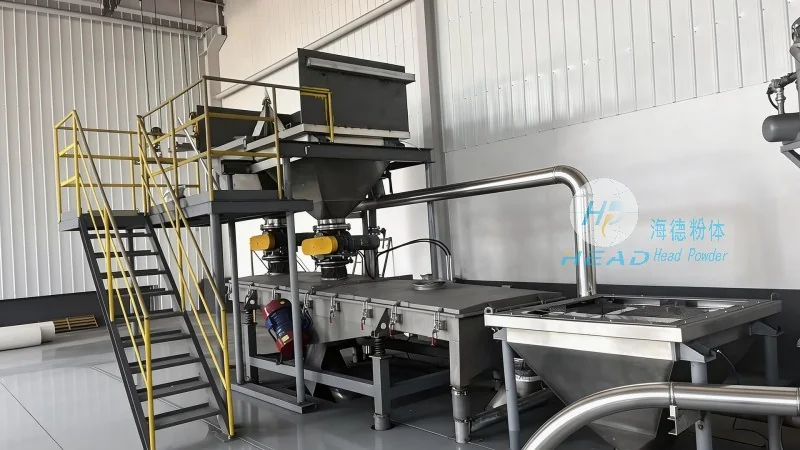
About HeadPowder Engineering
HeadPowder, or Shandong HeadPowder Engineering Co., Ltd., is a leading provider of specialized engineering solutions for material handling and dust management. With a focus on innovation and customer-centric design, the company has established itself as a trusted partner in the industry, delivering high-quality air conveying systems tailored to the unique needs of various industrial sectors. HeadPowder's expertise lies in the design, manufacturing, and implementation of efficient dust gas solid transport solutions, ensuring optimal performance and durability in demanding operational environments.
Efficient Air Flow Conveying Systems for Dust and Particulate Materials
HeadPowder's air conveying systems are engineered to efficiently transport dust and other powders using air as the primary medium. These systems operate by creating a controlled airflow that lifts and transports the material from the source to the destination. The technology is particularly effective for handling fine particles and dust, which are often difficult to manage with conventional methods. Key components of these systems include high-efficiency blowers, flexible hoses or pipes, and specialized collection and discharge units. The design ensures minimal material loss, reduced contamination, and smooth operation, making them suitable for a wide range of applications, from small-scale laboratory use to large-scale industrial production lines.
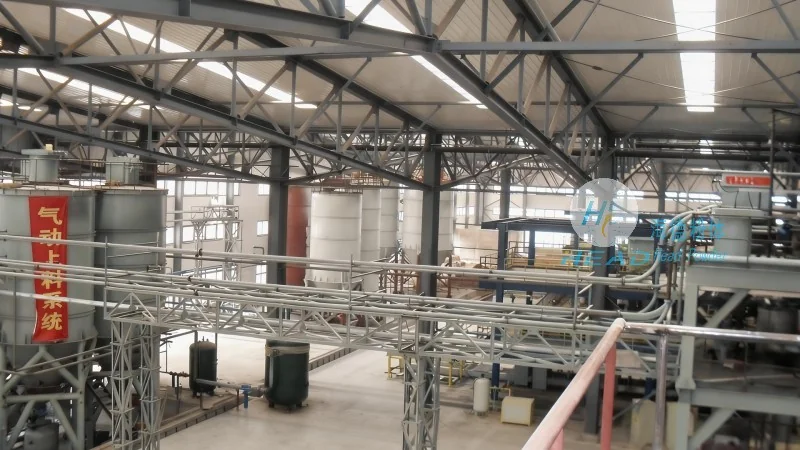
Key Advantages of Dust Gas Solid Transport Systems
Implementing dust gas solid transport systems offers several significant advantages over traditional material handling methods. Firstly, the systems provide a clean and hygienic method of transporting powders, as the material is enclosed within the air stream, preventing dust from escaping into the environment. This is crucial in industries where dust control is mandatory, such as food processing, pharmaceuticals, and chemical manufacturing. Secondly, air conveying systems are highly flexible and can be easily integrated into existing facilities, allowing for changes in layout or process requirements without major modifications. Additionally, these systems are low-maintenance, with fewer moving parts compared to mechanical conveyors, reducing downtime and operational costs. The ability to handle a wide range of particle sizes and densities further enhances their versatility, making them suitable for diverse material types.
Applications in Dust Management and Material Handling
Dust gas solid transport systems are widely used in various industrial applications where efficient dust removal and material transport are essential. In the cement and mining industries, these systems are employed to transport raw materials and process dust from crushers and grinding mills. In the food and beverage sector, they are used to handle powders like flour, sugar, and spices, ensuring product purity and safety. The pharmaceutical industry also benefits from these systems, as they help maintain sterile conditions and prevent cross-contamination during the handling of active ingredients. Furthermore, in the chemical and petrochemical industries, air conveying systems are used to transport powders and granules, contributing to safer and more efficient production processes.
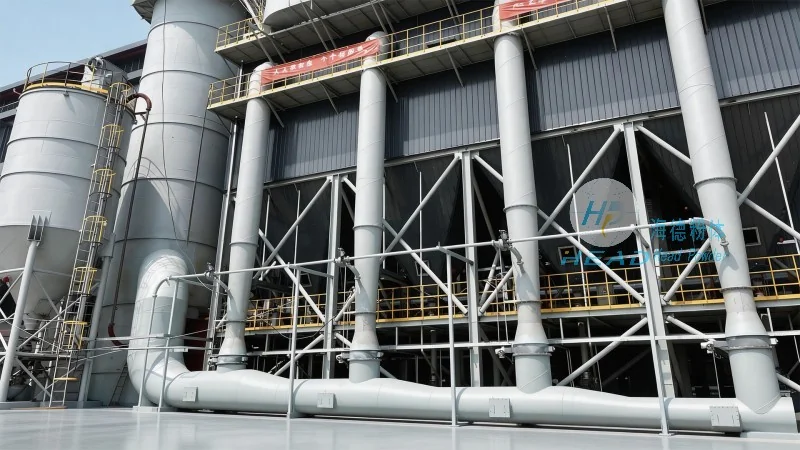
Design Considerations for Optimal Performance
When designing a dust gas solid transport system, several factors must be considered to ensure optimal performance and efficiency. The first is the type of material being transported, as different powders have varying properties such as density, moisture content, and particle size distribution. These properties affect the air velocity required for effective transport and the system's overall capacity. The second consideration is the distance and layout of the transport route, as longer distances may require higher air pressure or additional boosters to maintain material flow. Additionally, the system's integration with existing equipment, such as dust collectors or storage silos, must be carefully planned to ensure seamless operation. HeadPowder's engineering team specializes in assessing these factors and designing customized solutions that meet the specific requirements of each client, ensuring reliable and efficient material transport.
Conclusion
Efficient dust gas solid transport systems, as offered by HeadPowder Engineering, provide a superior solution for handling and transporting powders and particulate materials. By leveraging air flow to move materials, these systems offer clean, flexible, and low-maintenance operation, making them ideal for a wide range of industrial applications. With a commitment to quality and customer satisfaction, HeadPowder continues to innovate and deliver reliable air conveying solutions that enhance operational efficiency and safety in material handling processes. For industries seeking to improve their dust management and material transport capabilities, dust gas solid transport systems represent a cost-effective and effective investment.