

Dust Collection Ash Pneumatic Conveying: How to Efficiently Transport Powder and Granular Materials
Efficient material handling is a critical concern for industries dealing with dust and ash, particularly in applications where traditional methods may fall short. The process of pneumatic conveying offers a sophisticated solution for transporting these fine particles, and understanding its principles can significantly enhance operational efficiency and safety.
Understanding Pneumatic Conveying Systems
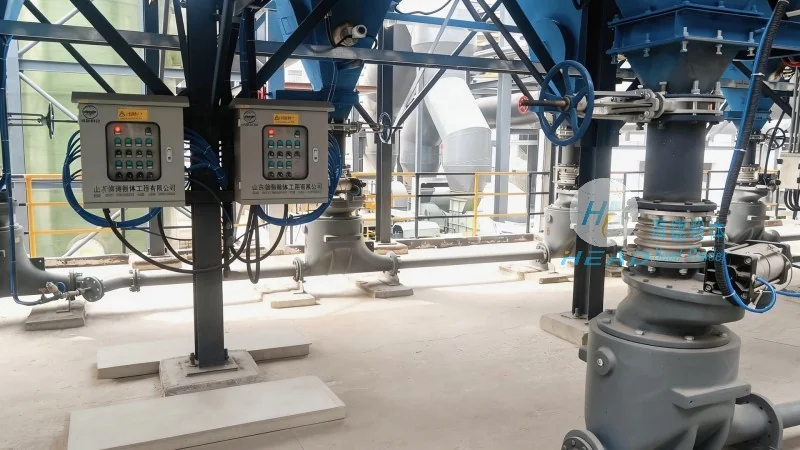
Pneumatic conveying systems utilize air or gas to transport bulk materials, such as dust, ash, and other powders, from one location to another. This method is particularly effective for materials that are difficult to handle using conventional equipment like belt conveyors or screw conveyors. The technology relies on the creation of a pressure differential or vacuum to move the material through a pipeline. There are two primary types of pneumatic conveying: pressure and vacuum systems. Pressure systems use compressed air to push the material, while vacuum systems use a vacuum to pull it. Each type has its advantages and is suitable for different operational conditions and material characteristics.
Key Components of a Pneumatic Conveying System
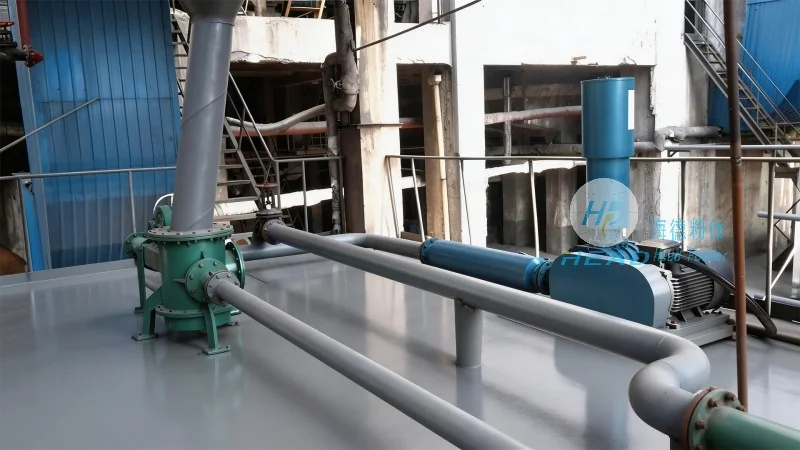
At the core of any pneumatic conveying system are several essential components that work in tandem to ensure efficient material transport. The main components include a material feed hopper, a conveyor line (usually a pipeline), a blower or compressor, and a discharge device. The material feed hopper is responsible for feeding the material into the system, often equipped with a feeder that controls the flow rate. The conveyor line, typically made of metal or plastic, is where the material travels under the influence of air flow. The blower or compressor provides the necessary air pressure or vacuum, and the discharge device, such as a rotary valve or a venturi, controls the release of the material at the destination. Additionally, filters and cyclones may be included to separate the material from the air and prevent dust contamination in the environment.
Benefits of Using Pneumatic Conveying for Dust Collection Ash
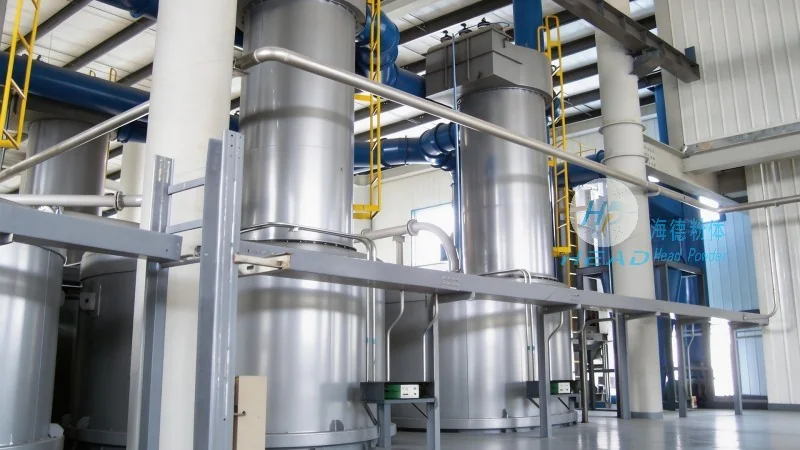
Implementing pneumatic conveying for dust collection ash offers numerous benefits that can improve overall operational performance. One of the most significant advantages is the ability to handle fine and abrasive materials without the risk of clogging or wear on equipment. Unlike mechanical conveyors, which can be prone to blockages and require frequent maintenance, pneumatic systems can transport even the most difficult-to-handle powders with minimal downtime. Another key benefit is the enhanced safety aspect. By keeping the material enclosed within the pipeline, the system reduces the risk of dust exposure and air pollution, which is crucial for maintaining a safe working environment and complying with environmental regulations. Furthermore, pneumatic conveying systems can be designed to operate in a variety of settings, from indoor facilities to outdoor applications, making them versatile for different industrial needs. The efficiency of these systems also contributes to cost savings, as they can reduce labor costs associated with manual handling and minimize material loss during transport.
Applications in Industrial Settings
The applications of pneumatic conveying for dust collection ash are widespread across various industries. In the power generation sector, for example, these systems are commonly used to transport fly ash from boilers to storage silos or for further processing. The mining industry also benefits from this technology when handling fine ore particles or tailings. Additionally, in the cement and chemical industries, pneumatic conveying is employed to transport raw materials, such as limestone or clinker, and finished products like cement powders. The versatility of the system allows it to be adapted to different material types and operational requirements, making it a valuable asset in any industrial setting where efficient material transport is essential.
Choosing the Right Pneumatic Conveying Solution
When selecting a pneumatic conveying system for dust collection ash, several factors must be considered to ensure optimal performance. The first step is to assess the material characteristics, including particle size, density, and moisture content. These factors determine the type of system (pressure or vacuum) and the appropriate equipment components. The distance and layout of the transport route are also critical, as they influence the required air pressure and the length of the conveyor line. Additionally, the desired flow rate and the need for environmental control should be taken into account. Consulting with a professional engineering company, such as Shandong HeadPowder Engineering Co., Ltd., based in China, can provide valuable insights into the best system design for specific applications. The company specializes in designing and manufacturing customized pneumatic conveying solutions tailored to the unique needs of each client, ensuring that the system operates efficiently and meets all operational and safety requirements.
Conclusion: Enhancing Efficiency with Pneumatic Conveying
In conclusion, pneumatic conveying is a highly effective method for efficiently transporting dust and ash materials. By leveraging the power of air flow, these systems offer numerous advantages over traditional material handling methods, including improved safety, reduced maintenance, and enhanced operational efficiency. For industries dealing with fine powders and granular materials, investing in a well-designed pneumatic conveying system can lead to significant cost savings and improved productivity. With the expertise of companies like Shandong HeadPowder Engineering Co., Ltd., businesses can access reliable and customized solutions that meet their specific requirements, ensuring a smooth and efficient material transport process.