

Classification and Composition of Sand and Gravel Pneumatic Conveying Systems
For industries dealing with bulk materials like sand and gravel, efficient material handling is crucial. Pneumatic conveying systems offer a solution that combines reliability with flexibility. This article explores the classification and key components of sand and gravel pneumatic conveying systems, providing insights into how these systems are structured and categorized for optimal performance.
Introduction to Sand and Gravel Pneumatic Conveying Systems
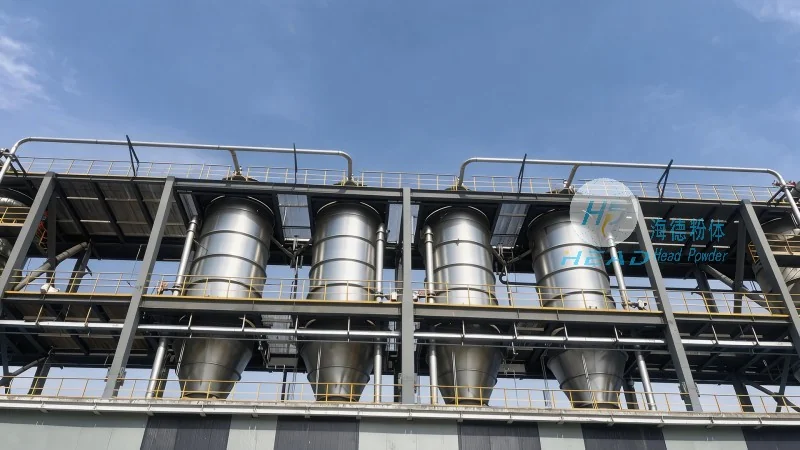
Pneumatic conveying systems utilize air or gas to transport dry bulk materials such as sand, gravel, and other granular substances. These systems are widely used in construction, mining, and manufacturing due to their ability to move materials over long distances without the need for mechanical components like belts or buckets. The efficiency and effectiveness of these systems depend heavily on their design, which includes various components and operational principles.
Classification of Pneumatic Conveying Systems
Sand and gravel pneumatic conveying systems are typically classified based on the pressure of the conveying medium and the direction of material flow. The main categories include:
1. Positive Pressure Systems: These systems operate by blowing air or gas into the material to move it through the pipeline. Positive pressure systems are commonly used for short to medium distance conveying and are suitable for handling light to medium density materials. They are known for their simplicity and low maintenance requirements.
2. Negative Pressure (Vacuum) Systems: In contrast, negative pressure systems use suction to draw materials from the source and transport them to the destination. This type of system is ideal for long-distance conveying and is often used when the material needs to be collected from multiple points. Negative pressure systems are more complex and require more robust equipment to maintain vacuum levels.
3. Hybrid Systems: Some applications may combine both positive and negative pressure elements. For instance, a system might use positive pressure to transport materials from a central point to a destination while using negative pressure to collect materials from various sources. Hybrid systems offer flexibility and can be tailored to specific operational needs.
Key Components of Sand and Gravel Pneumatic Conveying Systems
Regardless of the classification, sand and gravel pneumatic conveying systems consist of several essential components that work together to ensure smooth operation. The primary components include:
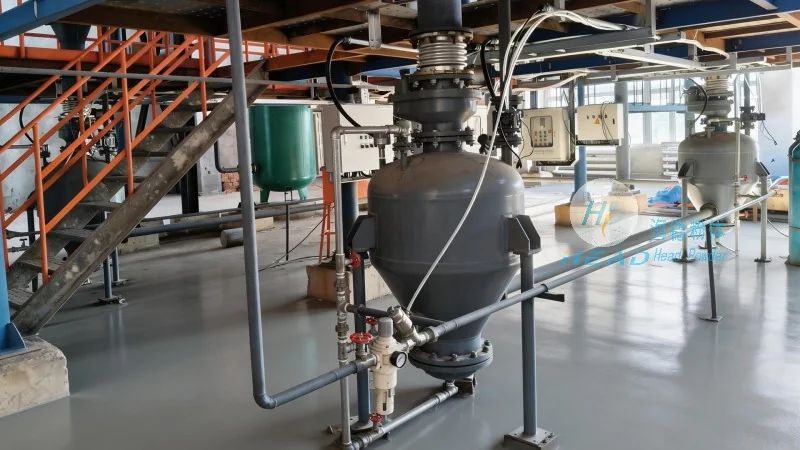
1. Material Hopper: The hopper is the container where the sand or gravel is stored before being fed into the system. It is designed to hold a large volume of material and is equipped with a feeder to control the flow rate. The hopper's design, such as the angle of the sides and the type of discharge mechanism, affects the efficiency of material feeding.
2. Feeder: The feeder is responsible for controlling the flow of material from the hopper into the conveying line. Common types include screw feeders, vibratory feeders, and rotary valves. The feeder must be able to handle the specific characteristics of the sand or gravel, such as particle size and moisture content, to prevent blockages and ensure consistent flow.
3. Conveying Pipeline: The pipeline is the main channel through which the material and air travel. It is typically made of metal or plastic and is designed to withstand the pressure and abrasion from the conveyed material. The diameter and length of the pipeline are critical factors that affect the system's performance and energy consumption.
4. Air Compressor or Vacuum Pump: This component provides the necessary pressure or vacuum to move the material through the pipeline. For positive pressure systems, a high-pressure air compressor is used, while negative pressure systems rely on a vacuum pump. The choice of compressor or pump depends on the system's classification and the required conveying distance.
5. Control Valves and Regulators: These components are used to regulate the flow of air and material within the system. Control valves can adjust the pressure and flow rate, ensuring that the system operates within safe and efficient parameters. Regulators maintain consistent pressure levels, preventing fluctuations that could affect material transport.
6. Dust Collector: As sand and gravel are dry materials, they can generate dust during the conveying process. A dust collector is essential to capture and remove airborne particles, improving air quality and preventing contamination of the material. The dust collector typically includes filters and a collection bin to store the captured dust.

7. Discharge Unit: The discharge unit is where the material is released from the conveying system. It may include a rotary valve or a gate valve that controls the flow of material to the final destination, such as a storage silo or processing equipment. The discharge unit must be designed to handle the material's characteristics and prevent blockages or spillage.
Applications and Benefits of Sand and Gravel Pneumatic Conveying Systems
Sand and gravel pneumatic conveying systems are widely used in various industries due to their versatility and efficiency. Some common applications include:
1. Construction and Mining: In construction, these systems are used to transport sand and gravel from storage sites to building sites or processing facilities. In mining, they help move raw materials from the mine to processing plants, improving operational efficiency.
2. Manufacturing: Many manufacturing processes require the handling of bulk materials, and pneumatic conveying systems provide a clean and efficient way to transport these materials without the need for manual labor or mechanical equipment.
3. Environmental and Waste Management: Pneumatic conveying can be used to transport materials in waste management facilities, such as moving sand or gravel for landfill construction or processing.
The benefits of using sand and gravel pneumatic conveying systems include:
1. Reduced Labor Costs: Automated material handling reduces the need for manual labor, lowering labor costs and improving safety.
2. Improved Efficiency: These systems can transport materials over long distances quickly and consistently, increasing production efficiency.
3. Clean and Hygienic: Pneumatic conveying systems are enclosed, preventing dust and contamination, which is crucial in industries where material purity is important.
4. Low Maintenance: With fewer moving parts compared to mechanical systems, pneumatic conveying systems require less maintenance and have longer service lives.
Conclusion
Sand and gravel pneumatic conveying systems are essential for efficient material handling in various industries. By understanding the classification and key components of these systems, businesses can select the most appropriate solution for their needs. The combination of positive and negative pressure systems, along with essential components like hoppers, feeders, and control valves, ensures that materials are transported safely and efficiently. As technology advances, these systems continue to evolve, offering improved performance and sustainability for bulk material handling.