

Classification and Composition of Coal Powder Pneumatic Conveying Systems
Coal powder pneumatic conveying systems are essential in modern industrial applications for the efficient and safe transportation of coal powder from production sites to processing or storage facilities. These systems utilize air as the conveying medium to move fine coal particles, offering advantages such as reduced dust, improved safety, and the ability to handle materials in enclosed environments. Understanding the classification and components of these systems is crucial for selecting the appropriate technology for specific industrial needs.
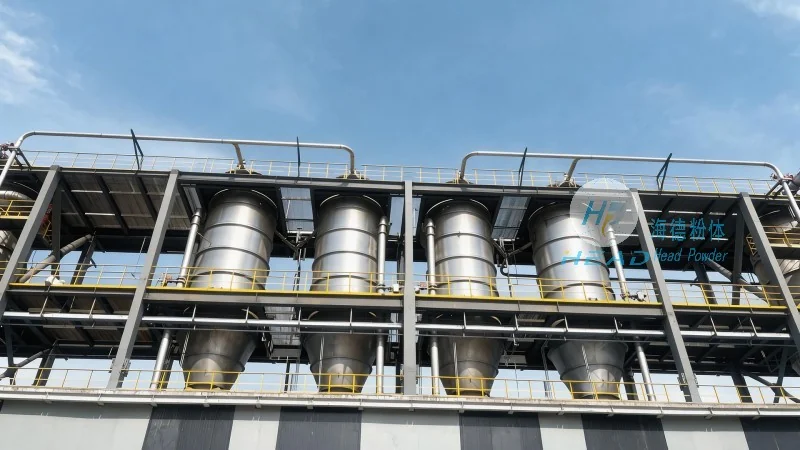
1. Classification of Coal Powder Pneumatic Conveying Systems
Coal powder pneumatic conveying systems can be broadly classified into three main types based on the direction of air flow and the method of material feeding. Each type has distinct characteristics and is suitable for different operational conditions.
The first type is the aspiration system, also known as a vacuum system. In this configuration, a vacuum is created at the material inlet to draw the coal powder into the system. The air and powder mixture is then transported through the pipeline to a separation unit where the powder is collected and the air is either filtered or released. Aspiration systems are ideal for applications where the material source is at a higher elevation than the destination, as the vacuum helps to pull the material upward. They are commonly used in coal handling operations where the material is to be transported from a silo or hopper to a processing plant.
The second type is the pressure system, which operates by forcing air and coal powder through the pipeline using a positive pressure source. In this system, the material is fed into the pipeline under pressure, and the air is introduced to maintain the flow and prevent blockages. Pressure systems are typically used when the material source is at a lower elevation than the destination, as the pressure pushes the material downward. They are often employed in long-distance conveying applications due to their ability to handle higher pressures and maintain consistent flow rates.
The third type is the combined system, which combines elements of both aspiration and pressure systems. This system uses a vacuum at the inlet to draw material from a low point and then uses pressure to transport it to a higher point. The combined system offers flexibility and can be adapted to various operational scenarios, making it suitable for complex conveying tasks where both upward and downward movement is required.
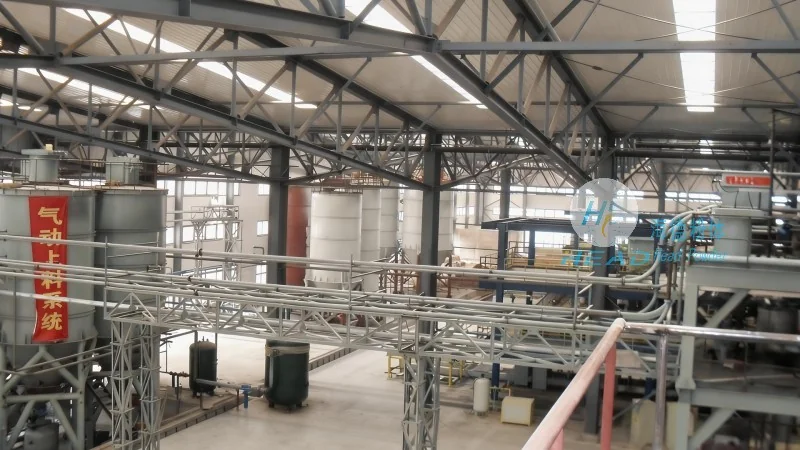
2. Key Components of Coal Powder Pneumatic Conveying Systems
Regardless of the classification, coal powder pneumatic conveying systems consist of several critical components that work together to ensure efficient operation. These components include the conveying pipeline, feeding equipment, air supply system, separation equipment, collection equipment, and control system.
The conveying pipeline is the main channel through which the coal powder and air mixture travels. It is typically made of materials such as stainless steel, PVC, or polyethylene, depending on the material being conveyed and the operating conditions. The pipeline is designed to withstand the pressure and temperature of the conveying process and to minimize friction losses. Proper sizing and installation of the pipeline are essential to maintain optimal flow rates and prevent blockages.
The feeding equipment is responsible for introducing the coal powder into the system at the correct rate and pressure. This equipment can include hoppers, rotary valves, or screw feeders, which are designed to handle fine coal particles without causing excessive wear or clogging. The feeding equipment must be compatible with the type of conveying system (vacuum or pressure) and must be able to maintain a consistent flow rate to avoid fluctuations in the system performance.
The air supply system provides the necessary air to move the coal powder through the pipeline. This system typically includes a blower or compressor, which generates the required pressure or vacuum. The air supply system must be capable of delivering the appropriate volume and pressure of air to ensure efficient conveying. In some systems, air filters and moisture separators may be included to maintain air quality and prevent contamination of the coal powder.
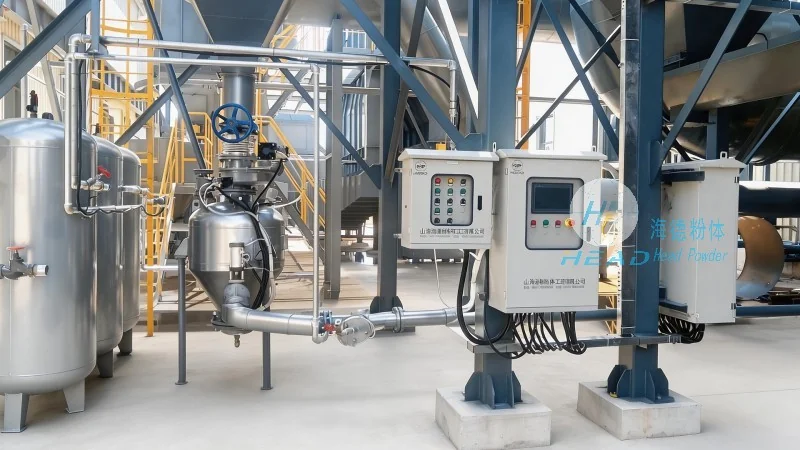
The separation equipment is used to separate the coal powder from the air at the end of the conveying process. This equipment can include cyclones, bag filters, or electrostatic precipitators, depending on the particle size and the required level of dust control. The separation equipment must be efficient in capturing the coal powder and preventing air leakage, which could lead to dust emissions and safety hazards.
The collection equipment is responsible for storing the separated coal powder. This equipment can include hoppers, silos, or storage bins, which are designed to hold the material until it is further processed or transported. The collection equipment must be compatible with the material being conveyed and must be able to maintain a consistent level of material to avoid overfilling or underfilling.
The control system is used to monitor and regulate the operation of the conveying system. This system typically includes sensors, controllers, and alarms that detect changes in pressure, flow rate, or temperature. The control system allows operators to adjust the system parameters in real-time to maintain optimal performance and prevent equipment damage or material loss.
3. Application and Operational Considerations
Coal powder pneumatic conveying systems are widely used in various industries, including power generation, cement production, and chemical processing. The choice of system type and components depends on several factors, including the material characteristics (particle size, moisture content, density), the conveying distance, the required flow rate, and the operating environment.
For example, in power plants, coal powder is often conveyed from coal bunkers to boilers for combustion. The system must be able to handle large volumes of material and maintain a consistent flow rate to ensure stable boiler operation. In cement plants, coal powder is used as a fuel in the kiln, and the conveying system must be able to transport the material to the kiln while minimizing dust emissions and maintaining material quality.
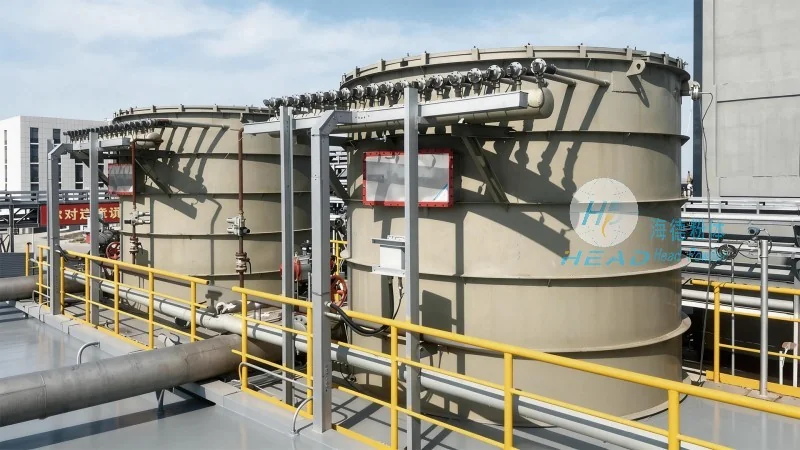
Operational considerations also include the need for regular maintenance and cleaning of the system components. The conveying pipeline, feeding equipment, and separation equipment must be cleaned periodically to prevent blockages and maintain efficiency. The air supply system must be checked for air leaks and pressure fluctuations, and the control system must be calibrated to ensure accurate monitoring and control.
4. Company Profile: Shandong HeadPowder Engineering Co., Ltd.
Shandong HeadPowder Engineering Co., Ltd., operating under the brand name HeadPowder, is a leading manufacturer and supplier of coal powder pneumatic conveying systems. The company specializes in designing, manufacturing, and installing customized conveying solutions for various industrial applications. With years of experience in the industry, HeadPowder has developed a reputation for providing high-quality, reliable, and efficient systems that meet the specific needs of its clients.
HeadPowder's team of engineers and technicians work closely with clients to understand their operational requirements and provide tailored solutions. The company uses advanced design software and testing facilities to ensure that its systems are optimized for performance and durability. HeadPowder's products are manufactured using high-quality materials and strict quality control processes, ensuring that they meet international standards and are reliable in operation.
HeadPowder's facilities are located in Shandong, China, where the company has a strong presence in the industrial sector. The company's commitment to quality and customer satisfaction has led to a growing customer base and a reputation for excellence in the industry. HeadPowder continues to innovate and develop new technologies to improve the efficiency and safety of coal powder conveying systems, helping to meet the evolving needs of the industrial sector.