

Classification and Composition of Powdered Medicine Pneumatic Conveying Systems
For pharmaceutical manufacturers and processing facilities, the efficient and safe handling of powdered medicines is a critical operational requirement. Pneumatic conveying systems offer a reliable solution for transporting powders over various distances and within different processing environments. This article provides an overview of the classification and key components of powdered medicine pneumatic conveying systems, highlighting the technology's role in modern pharmaceutical production.
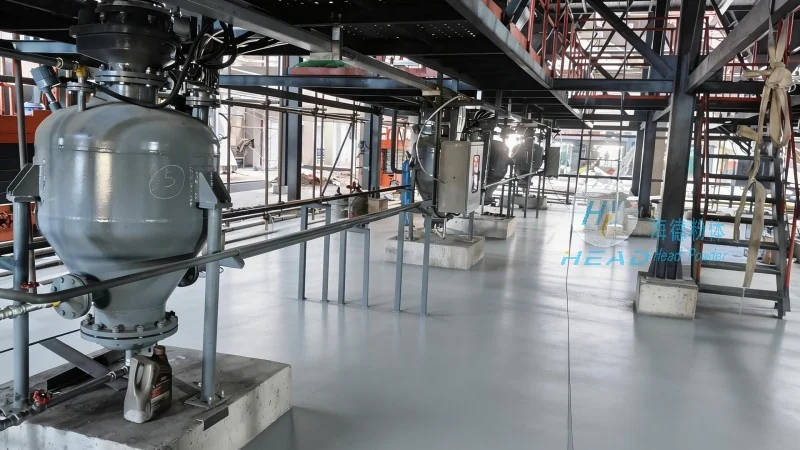
Overview of Powdered Medicine Pneumatic Conveying Systems
Pneumatic conveying systems are designed to transport bulk powders using compressed air or other gas streams. In the pharmaceutical industry, these systems are essential for moving active pharmaceutical ingredients (APIs), excipients, and finished powders between processing stages, such as blending, drying, and packaging. The choice of system type depends on factors like powder characteristics, required transport distance, and the need for containment and dust control. Two primary categories of pneumatic conveying systems are commonly used: dilute-phase and dense-phase systems.
Classification of Pneumatic Conveying Systems
Dilute-phase pneumatic conveying systems operate by suspending the powder particles in a high-velocity air stream. This method is suitable for short to medium transport distances and powders with low to moderate dustiness. The system typically uses a positive displacement blower or a high-pressure compressor to generate the air flow. The key advantage of dilute-phase systems is their ability to handle powders with a wide range of particle sizes and moisture content, making them versatile for various pharmaceutical applications. However, they may require larger air volumes and may not be suitable for highly abrasive or sensitive powders.
Dense-phase pneumatic conveying systems, on the other hand, transport powders in a slurry-like state, where the powder is mixed with a lower velocity air stream. This method is ideal for longer transport distances and for materials that are sensitive to high air velocities or require precise control over the powder flow. Dense-phase systems often use a positive displacement pump or a pressure vessel to create a high-pressure environment, ensuring the powder is conveyed in a more controlled manner. The system's design minimizes particle degradation and maintains product integrity, which is crucial for pharmaceutical products where quality and consistency are paramount.
Key Components of Powdered Medicine Pneumatic Conveying Systems
Regardless of the system type, several critical components are integral to the operation of a pneumatic conveying system for powdered medicines. These components work together to ensure efficient, safe, and reliable powder transport. The main components include:
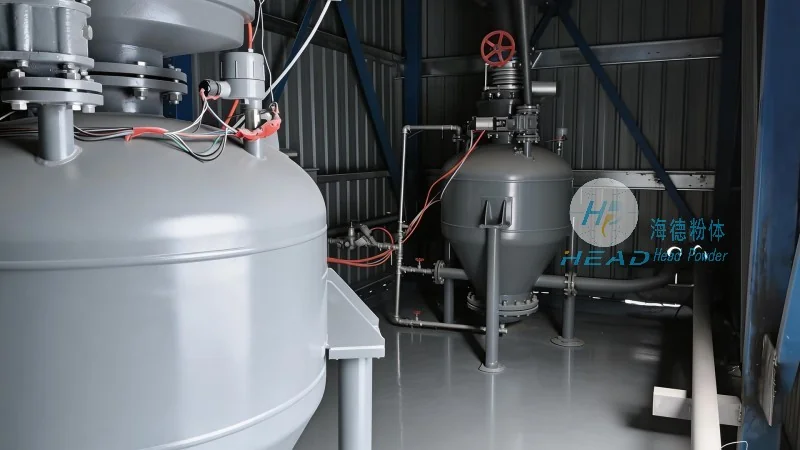
1. Powder Hopper and Feeder
The powder hopper serves as the storage and feeding unit for the bulk powder. It is designed to hold the required quantity of powder and regulate the flow rate to the conveying line. For pharmaceutical powders, the hopper is typically made of stainless steel or other corrosion-resistant materials to maintain product purity and prevent contamination. The feeder, often a rotary valve or a loss-in-weight feeder, controls the powder discharge rate, ensuring a consistent and controlled feed to the conveying system. This component is crucial for maintaining system efficiency and preventing overloading or underloading of the conveyor.
2. Conveying Line and Tubing
The conveying line, usually made of stainless steel or food-grade plastic, is the main pathway for the powder and air mixture. The tubing diameter and material are selected based on the powder's characteristics, such as particle size and abrasiveness, to minimize wear and ensure smooth flow. For pharmaceutical applications, the tubing is often equipped with smooth, non-porous surfaces to prevent powder buildup and facilitate cleaning. The line may include bends, elbows, or expansion joints to accommodate changes in direction or elevation, ensuring the powder is conveyed without excessive pressure loss or particle degradation.
3. Air Supply and Pressure Control
The air supply system provides the necessary pressure and volume of air to move the powder through the conveying line. This system typically includes a blower or compressor, a filter to remove contaminants from the air, and a pressure regulator to maintain consistent pressure. For pharmaceutical applications, the air is often filtered to remove particulates and moisture, as these can affect the quality of the powder. The pressure control component ensures that the system operates within safe and efficient parameters, preventing overpressurization or underpressurization that could lead to system failure or product quality issues.
4. Dust Collection and Filtration
Dust collection and filtration systems are essential for maintaining a clean and safe working environment, as well as for preventing product loss and contamination. These systems capture any airborne powder particles that escape the conveying line and return them to the system or dispose of them appropriately. The filtration system typically includes a baghouse or cartridge filter, designed to capture fine particles and ensure that the air discharged is clean. For pharmaceutical powders, the filtration system is often equipped with HEPA filters to meet stringent cleanliness standards, ensuring that the air quality is suitable for sensitive pharmaceutical products.
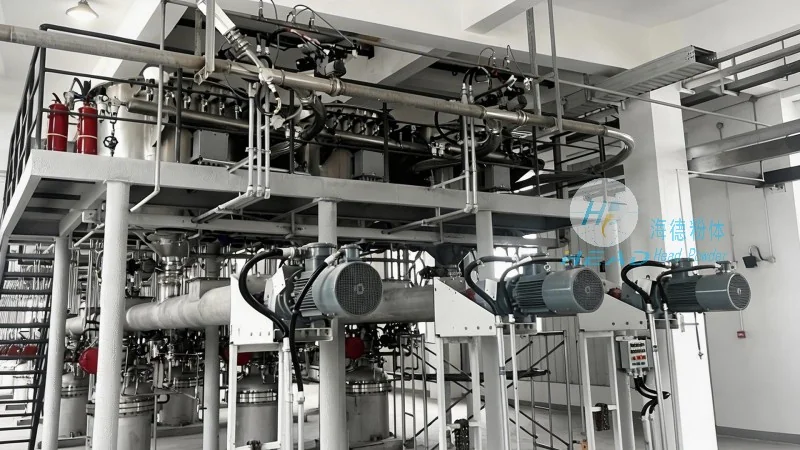
5. Control System and Monitoring
The control system manages the operation of the pneumatic conveying system, ensuring that all components work in harmony and that the system operates within specified parameters. This system typically includes sensors and controls for monitoring pressure, flow rate, and powder level. The control system may also include alarms and safety interlocks to prevent overpressure or other hazardous conditions. For pharmaceutical applications, the control system is often integrated with a data logging and reporting feature, allowing operators to track system performance and identify any issues that may affect product quality.
Applications and Benefits in Pharmaceutical Manufacturing
Powdered medicine pneumatic conveying systems are widely used in various pharmaceutical manufacturing processes, including raw material handling, intermediate processing, and finished product packaging. The systems offer several benefits that enhance operational efficiency and product quality. These benefits include:
First, pneumatic conveying systems provide a closed-loop transport process, which minimizes product exposure to the environment and reduces the risk of contamination. This is particularly important for pharmaceutical powders, which are sensitive to moisture, oxygen, and other contaminants. The closed system also helps maintain product integrity and prevents cross-contamination between different batches.
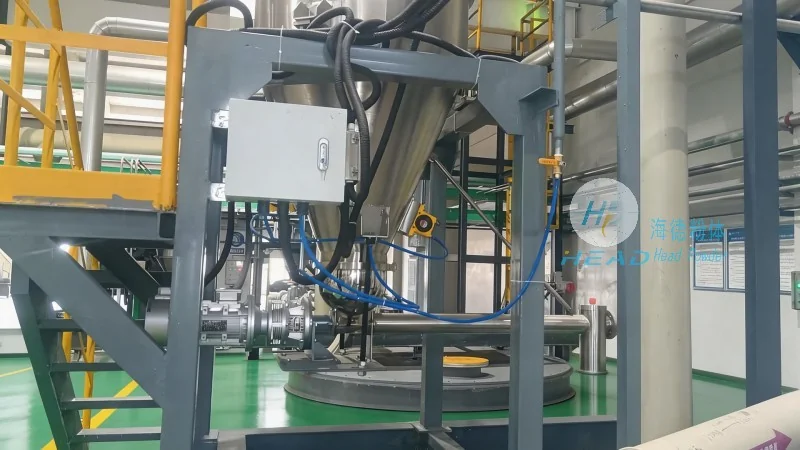
Second, these systems offer high flexibility in terms of transport distance and layout. They can be designed to handle short, medium, or long-distance transport, and can be integrated with existing processing equipment. This flexibility allows manufacturers to optimize their facility layout and improve overall production efficiency.
Third, pneumatic conveying systems are capable of handling a wide range of powder characteristics, including different particle sizes, moisture contents, and flowability. This versatility makes them suitable for various pharmaceutical applications, from handling fine APIs to bulk excipients.
Fourth, the systems are relatively easy to install and maintain. The components are modular and can be easily replaced or upgraded as needed. This reduces downtime and maintenance costs, making the system a cost-effective solution for pharmaceutical manufacturers.
Conclusion
Pneumatic conveying systems are a critical component of modern pharmaceutical manufacturing, providing efficient and safe transport of powdered medicines. The classification of these systems, including dilute-phase and dense-phase options, allows manufacturers to select the most appropriate technology for their specific needs. The key components of the system, such as the powder hopper, conveying line, air supply, and dust collection, work together to ensure reliable operation and product quality. By understanding the classification and components of powdered medicine pneumatic conveying systems, pharmaceutical manufacturers can optimize their processing operations and meet the stringent quality and safety requirements of the industry.