

Classification and Composition of Dry Ash Pneumatic Conveying Systems
Shandong HeadPowder Engineering Co., Ltd., commonly known as headpowder, is a professional manufacturer and supplier of dry ash pneumatic conveying systems. The company is headquartered in Shandong, China, and specializes in providing customized solutions for ash handling and material transport in power plants and industrial facilities. This article aims to introduce the classification and key components of dry ash pneumatic conveying systems, highlighting the technical aspects and functional design of these essential equipment for efficient ash management.
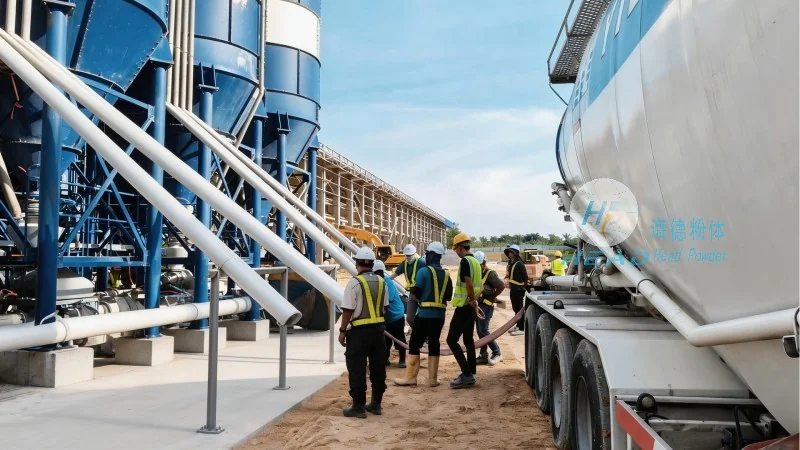
Classification of Dry Ash Pneumatic Conveying Systems
Dry ash pneumatic conveying systems are primarily categorized based on the pressure differential within the system. The two main types are suction (negative pressure) systems and pressure (positive pressure) systems. Each type has distinct characteristics and applications, tailored to different operational requirements.
Suction (Negative Pressure) Systems
Suction systems operate by creating a negative pressure environment at the inlet of the conveying line. This draws the dry ash from the source, such as a storage silo or hopper, into the system. The primary advantage of suction systems is their ability to handle long-distance and multi-point material transport, as the negative pressure can pull ash from multiple sources to a central collection point. These systems are commonly used in power plants where ash needs to be transported from several boiler units to a single ash handling facility. The suction system typically includes a vacuum pump or a high-capacity fan that generates the necessary negative pressure to pull the ash particles through the pipeline.
Pressure (Positive Pressure) Systems
Pressure systems, on the other hand, operate by using a positive pressure to push the dry ash through the conveying line. A positive pressure is generated by a blower or a compressor that forces air and ash particles through the pipeline. This type of system is generally more suitable for short-distance and high-pressure applications, such as transporting ash from a boiler to a nearby storage silo or for handling abrasive materials that require higher pressure to maintain flow. Pressure systems are often preferred in industrial settings where the distance between the source and destination is relatively short and the system needs to handle higher volumes of ash.
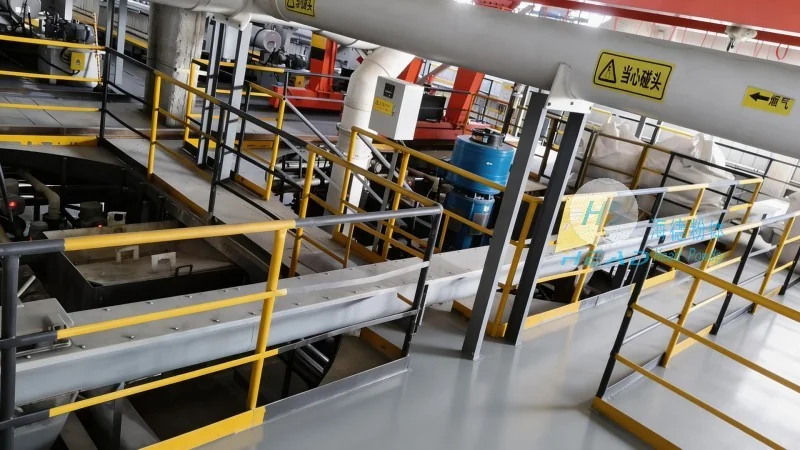
Key Components of Dry Ash Pneumatic Conveying Systems
Regardless of the type—suction or pressure—dry ash pneumatic conveying systems consist of several critical components that work together to ensure efficient and reliable operation. These components are designed to handle the unique properties of dry ash, such as its fine particle size, low bulk density, and potential for dust generation. The main components include:
1. Feeding Equipment
The feeding equipment is responsible for introducing the dry ash into the conveying system at a controlled rate. Common feeding devices include screw feeders, star valves, and rotary valves. Screw feeders are widely used for their ability to handle a wide range of ash types and provide consistent feeding rates. Star valves are often used as a secondary feeder to regulate the flow and prevent backflow. These feeding devices are typically equipped with wear-resistant materials, such as ceramic or hard metal, to withstand the abrasive nature of ash particles and ensure long service life.
2. Conveying Pipeline
The conveying pipeline is the main channel through which the ash and air mixture travels. The choice of pipeline material depends on factors such as the ash's corrosiveness, temperature, and the required pressure. Common materials include stainless steel, carbon steel, and high-density polyethylene (HDPE). The pipeline is usually equipped with various fittings, such as elbows, tees, and reducers, to change the direction or size of the flow. For suction systems, the pipeline is often larger in diameter to accommodate the lower air velocity and higher ash concentration. In pressure systems, the pipeline diameter may be smaller due to the higher air velocity and lower ash concentration.
3. Separation and Cleaning Equipment
As the ash and air mixture travels through the pipeline, it needs to be separated from the air before the ash is deposited. The separation equipment typically includes a cyclone separator or a bag filter. The cyclone separator uses centrifugal force to separate the ash particles from the air, while the bag filter uses fabric bags to trap the ash particles. The separated ash is then collected in a hopper or silo, and the clean air is discharged to the atmosphere. In some systems, a combination of both cyclone and bag filters is used to achieve higher separation efficiency, especially for fine ash particles that are difficult to separate.
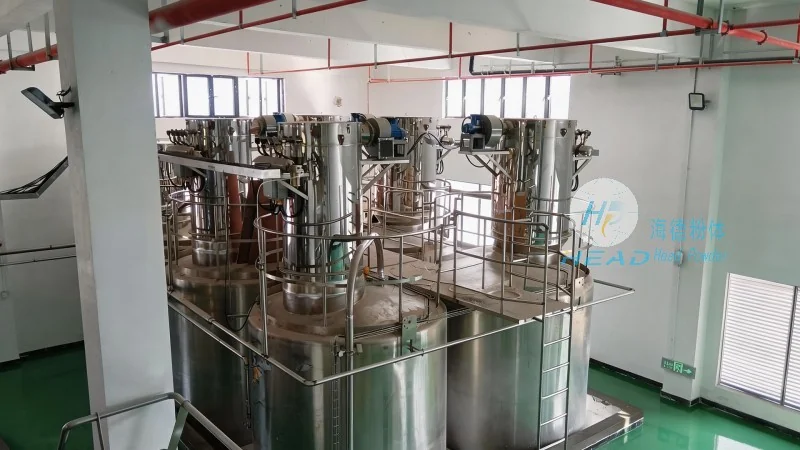
4. Air Source Equipment
The air source equipment provides the necessary air flow and pressure to drive the ash through the system. For suction systems, a vacuum pump or a high-capacity fan is used to create the negative pressure. For pressure systems, a blower or a compressor is used to generate the positive pressure. The air source equipment is typically equipped with filters to remove any contaminants from the air, such as dust or moisture, which could affect the performance of the conveying system. The air flow rate and pressure are carefully controlled to ensure that the ash particles are fully suspended and transported efficiently without causing blockages or excessive wear on the equipment.
5. Control System
The control system is responsible for monitoring and controlling the operation of the entire pneumatic conveying system. It typically includes sensors, such as pressure sensors, flow meters, and level sensors, to detect the status of the system in real time. The control system is usually equipped with a programmable logic controller (PLC) that can adjust the operation of the feeding equipment, air source equipment, and separation equipment based on the detected conditions. For example, if the ash level in the hopper is low, the control system can increase the feeding rate to maintain a consistent flow. If the pressure in the pipeline drops, the control system can increase the air flow rate to prevent blockages. The control system also includes safety features, such as emergency stop buttons and overpressure protection, to ensure the safe operation of the system.
Conclusion
Dry ash pneumatic conveying systems are essential equipment for efficient ash handling in power plants and industrial facilities. The classification of these systems into suction and pressure types allows for flexibility in meeting different operational requirements, such as long-distance transport or high-pressure handling. The key components of the system, including feeding equipment, conveying pipeline, separation equipment, air source equipment, and control system, work together to ensure reliable and efficient operation. Shandong HeadPowder Engineering Co., Ltd. specializes in designing and manufacturing customized dry ash pneumatic conveying systems that meet the specific needs of its clients, providing high-quality and durable solutions for ash management.